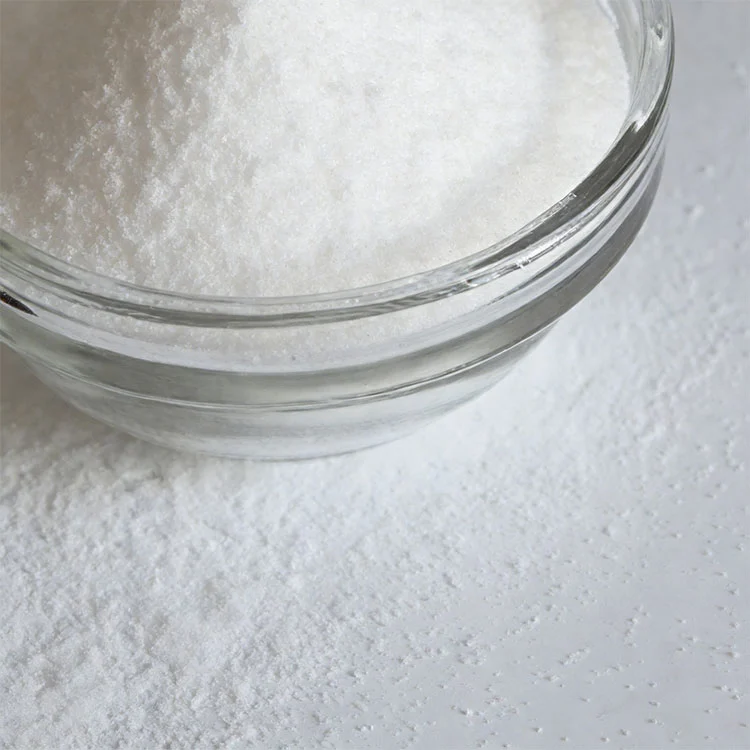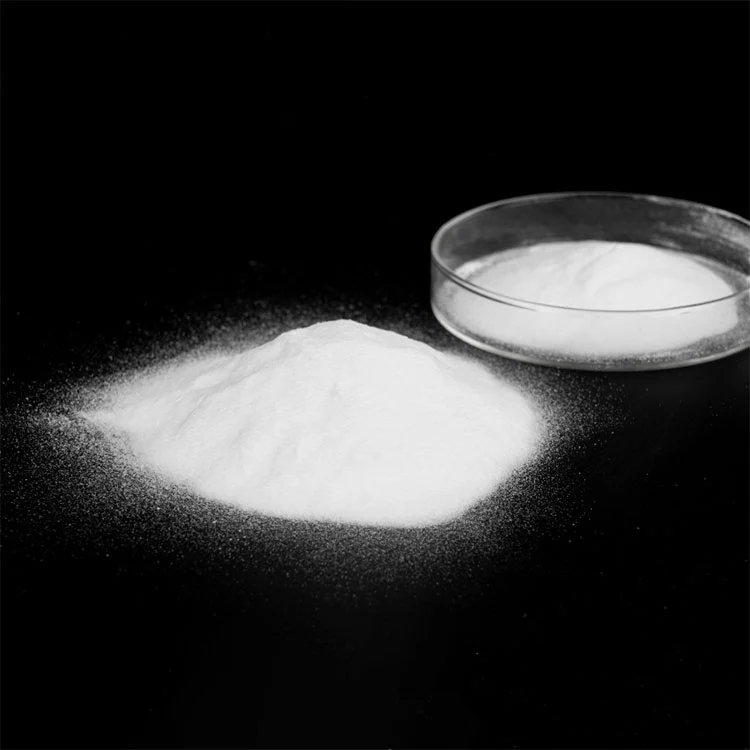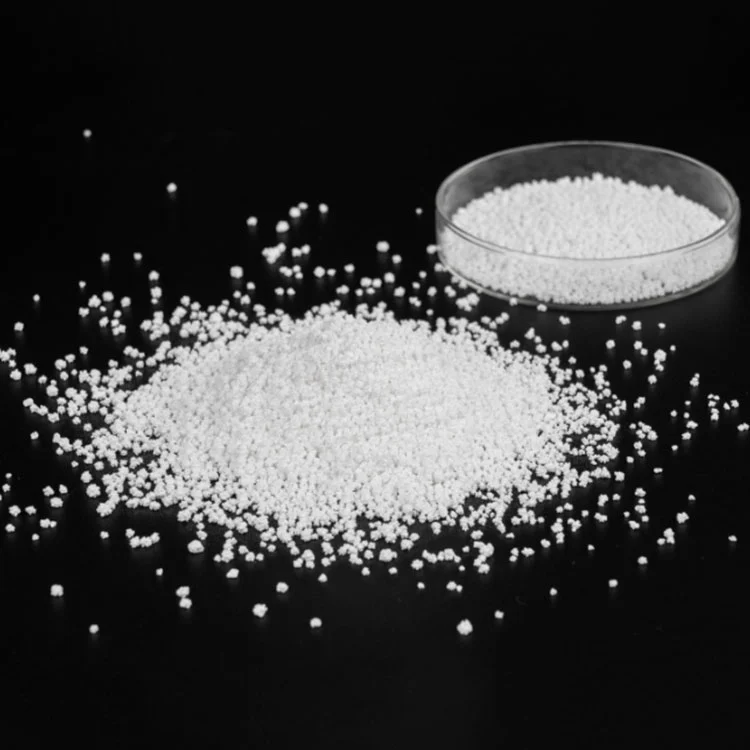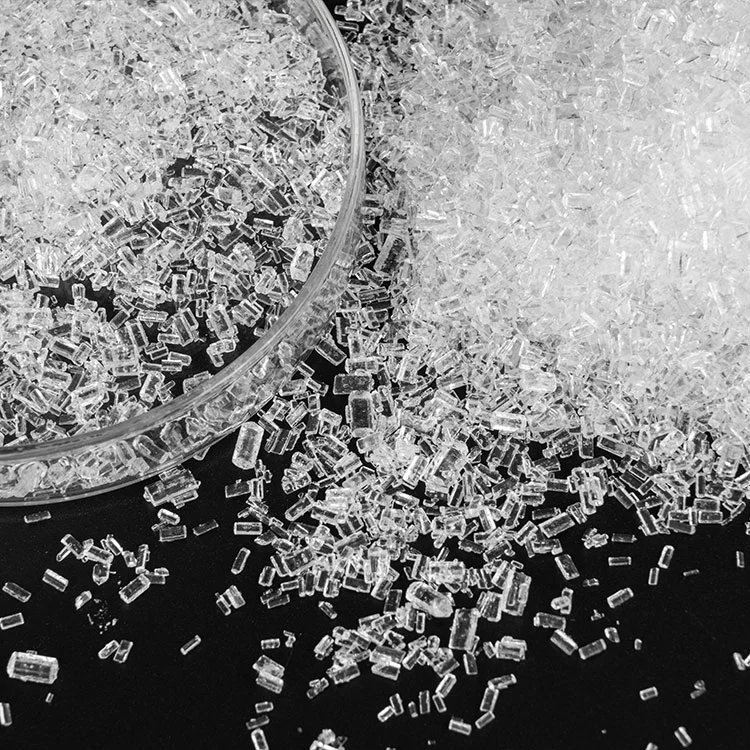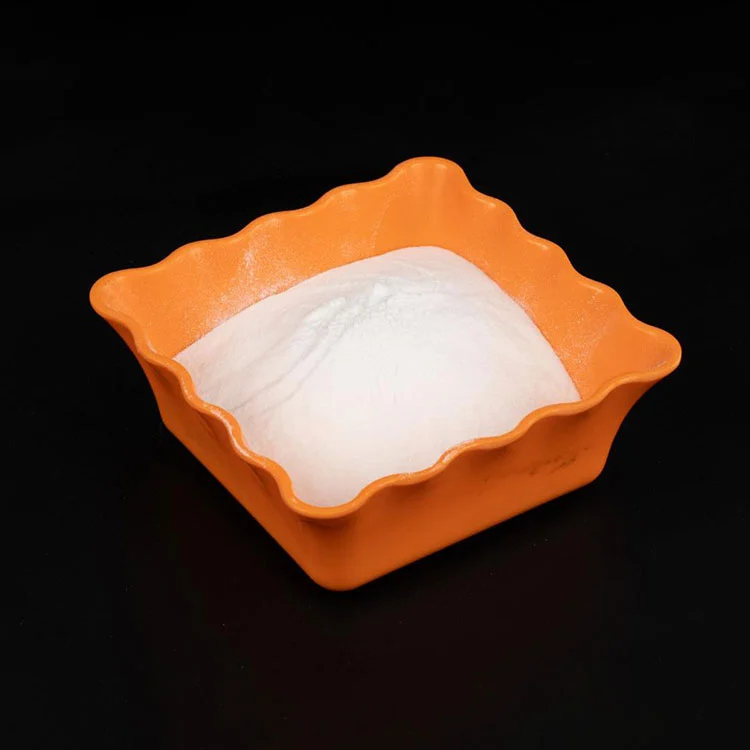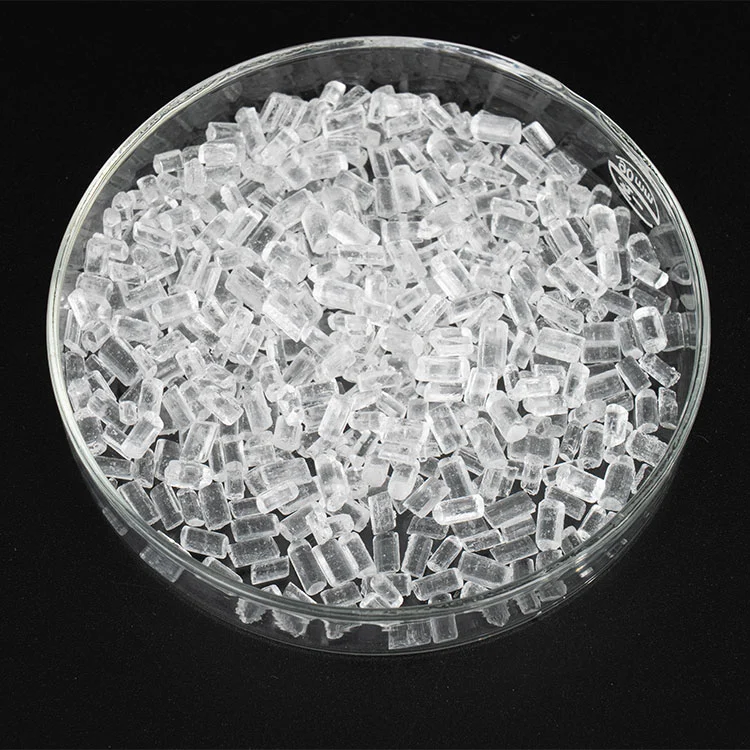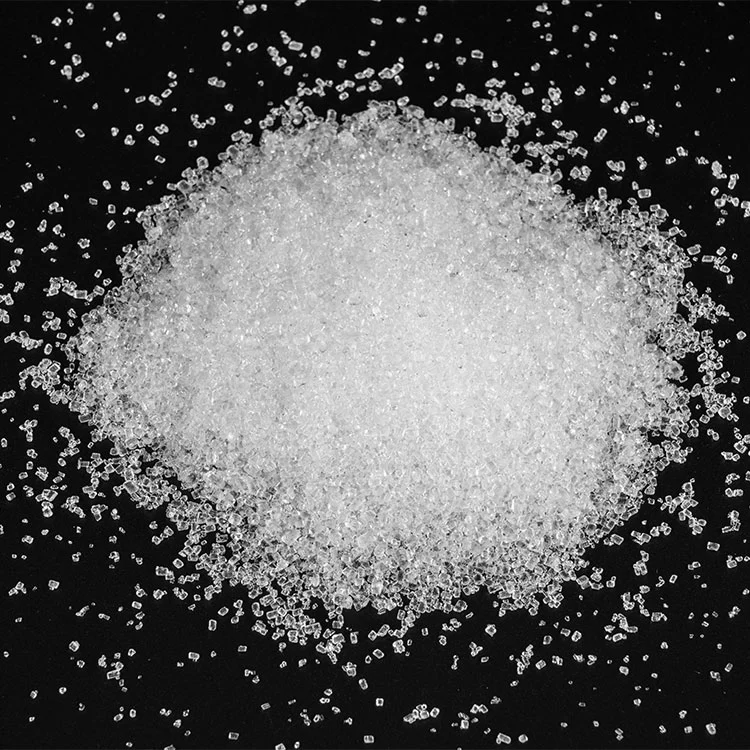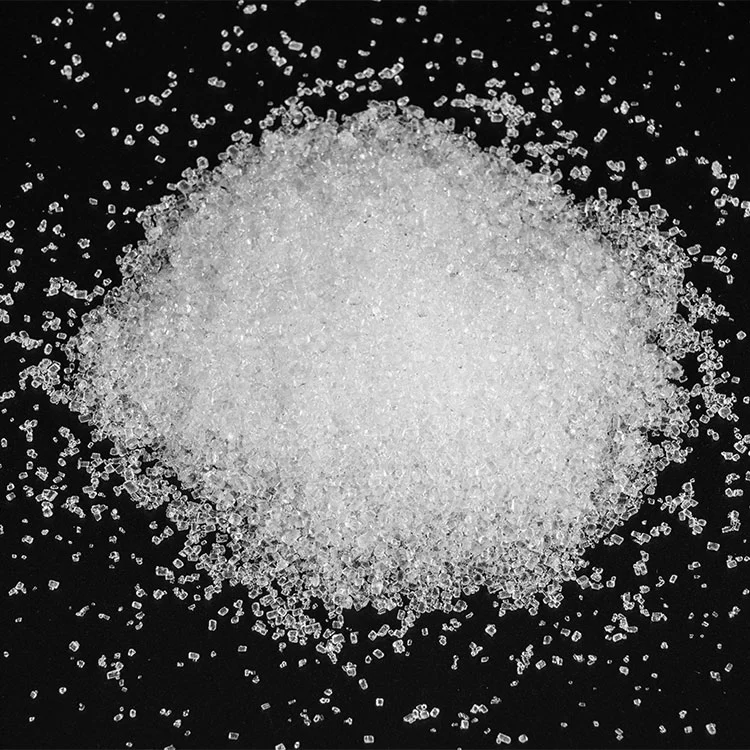


Sodium thiosulfate pentahydrate and anhydrous sodium thiosulfate supply the same thiosulfate salt, but they are not interchangeable by weight. The pentahydrate includes five water molecules and has a molecular weight of 248.18 g/mol. The anhydrous form has a molecular weight of 158.11 g/mol. At equal purity, 1.00 kg of anhydrous material is equivalent to about 1.57 kg of pentahydrate.
248.18 g/mol
CAS 10102-17-7
158.11 g/mol
CAS 7772-98-7
Pentahydrate and anhydrous compared
PubChem lists 158.11 g/mol for anhydrous sodium thiosulfate and 248.19 g/mol for the pentahydrate.[1][2] The USP monograph also identifies the pentahydrate formula, its 248.18 molecular weight and the related anhydrous CAS number.[3]
| Property | Sodium thiosulfate pentahydrate | Sodium thiosulfate anhydrous | Buyer implication |
|---|---|---|---|
| Formula | Na2S2O3·5H2O | Na2S2O3 | Confirm the hydrate form on the specification and bag mark |
| Molecular weight | 248.18 g/mol | 158.11 g/mol | The same number of moles requires more pentahydrate by weight |
| CAS number | 10102-17-7 | 7772-98-7 | Use the correct identifier in the RFQ, SDS and import documents |
| Typical V&S appearance | Colorless transparent crystals or screened granules | White powder | Physical form affects feeding, dust control and solution preparation |
| Mass at equal moles and purity | 1.5697 kg | 1.0000 kg | Recipes and dose sheets must be converted before substitution |
| V&S listed assay | Photographic grade 99.0% min; industrial grade 98.5% min | Anhydrous grade 97.0% min | Compare the full specification and assay basis, not only the product name |
| Particle options shown by V&S | 1-3 mm, 3-5 mm and 5-8 mm granules | Powder in the published grade table | Match the form to the feeder and make-up tank |
Once an equivalent molar amount is dissolved, both forms supply thiosulfate ions. The five waters of crystallization in the pentahydrate add mass but do not add more thiosulfate.
What the five waters of crystallization change
The pentahydrate crystal contains five moles of water for every mole of sodium thiosulfate. Those water molecules account for about 36.3% of its formula mass. The remaining 63.7% corresponds to Na2S2O3 on a formula-mass basis.
How to convert pentahydrate and anhydrous mass
For pure forms, divide the target molecular weight by the source molecular weight. Then correct both sides for the actual assay when commercial material is being substituted.
Pure anhydrous to pure pentahydrate
Pure pentahydrate to pure anhydrous
Commercial product with assay correction
Some specifications report a result on the delivered hydrate basis. Others state a result calculated on an anhydrous basis. A number without its basis can produce the wrong conversion.
Example: replace anhydrous material with pentahydrate
A process sheet calls for 10.00 kg of 99% anhydrous sodium thiosulfate. The available pentahydrate is 99% on the form basis used for the calculation.
If the two assays are equal, they cancel. The result is the molecular-weight ratio multiplied by the original mass.
Pentahydrate and anhydrous conversion calculator
Enter the assay on the same form basis used by your approved specification. If a COA says "calculated on the anhydrous basis," confirm the correct entry with the supplier or laboratory first.
Convert commercial product mass
V&S pentahydrate granule examples
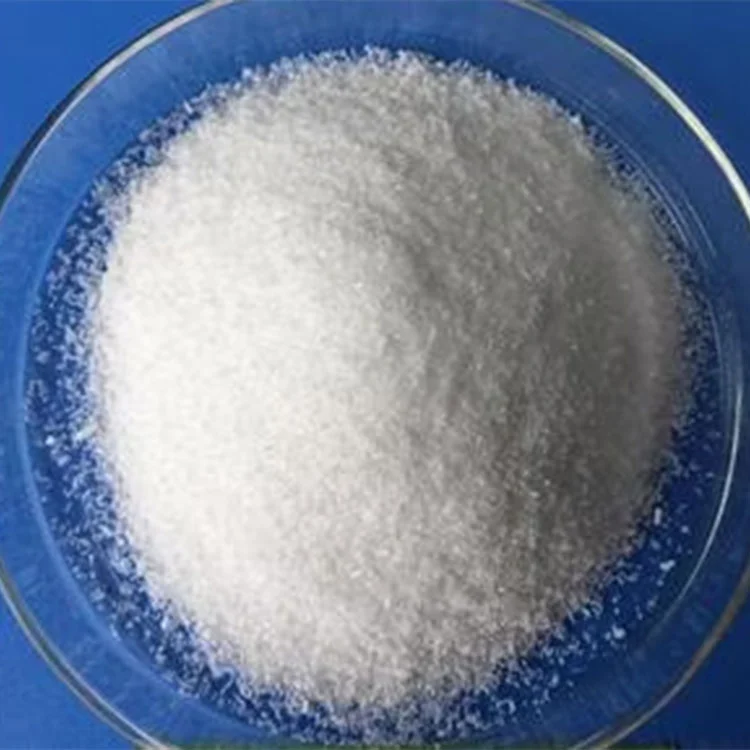
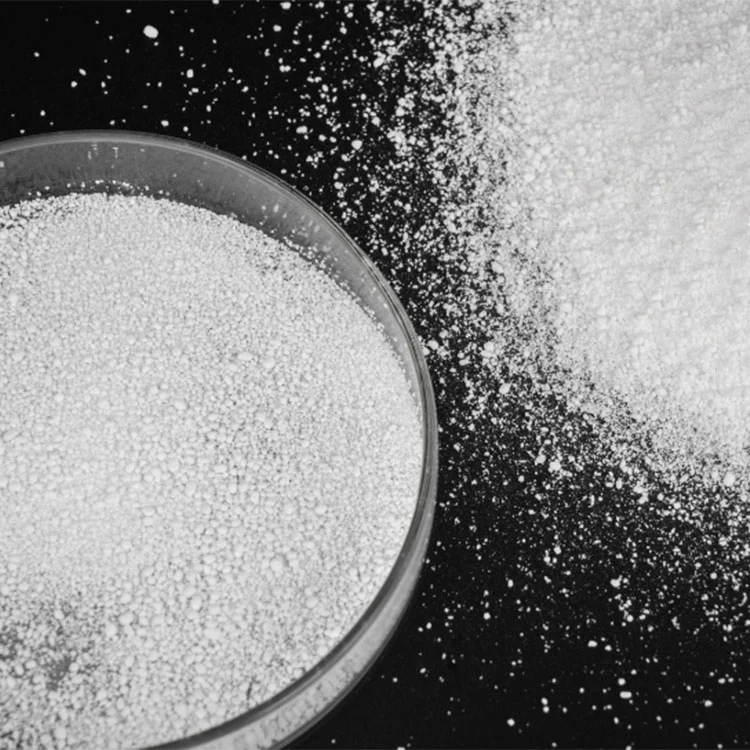
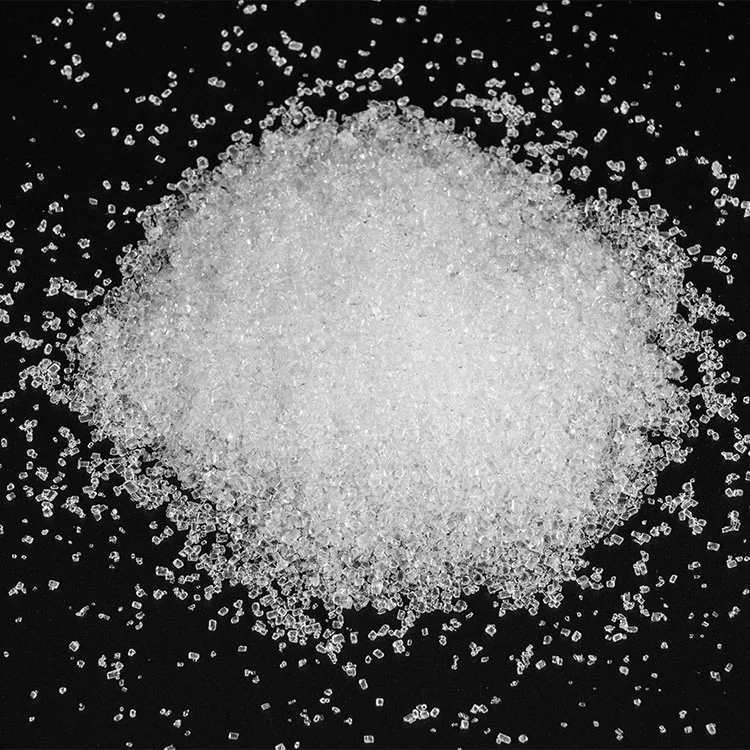
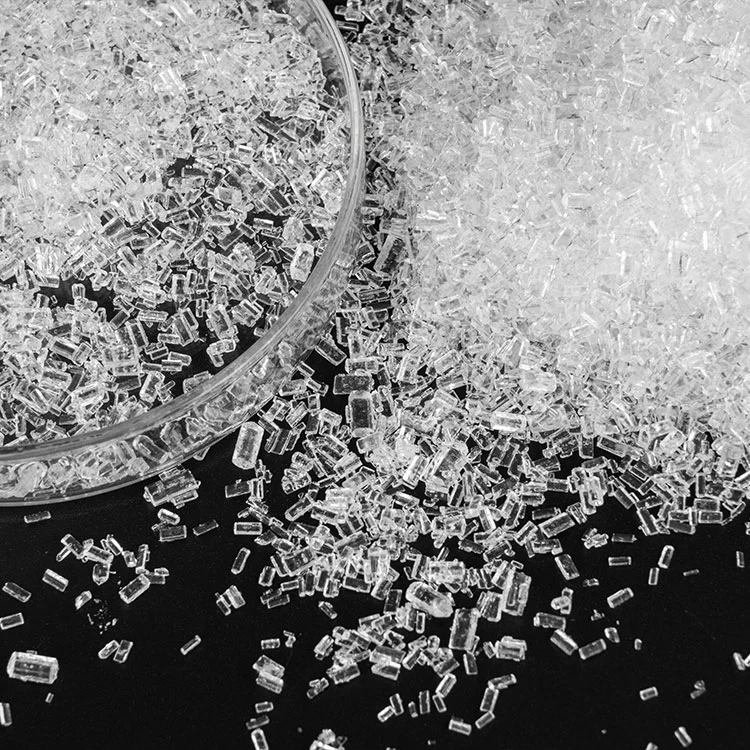
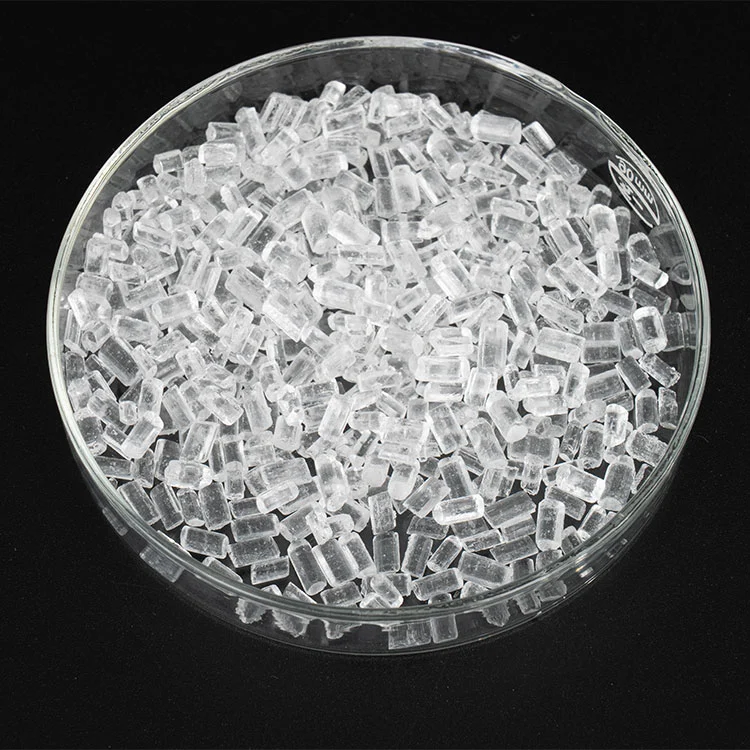
The images below show sodium thiosulfate pentahydrate supplied in three screened sizes. They are not images of the anhydrous powder. The granule-size guide explains how the sizes behave in batch tanks and continuous feeders.
Which form should an industrial buyer choose?
Choose from the process specification first. If the formulation, analytical method or customer standard names a hydrate form, follow it unless the process owner approves a conversion.
| Operating need | Form to evaluate first | Reason | What to confirm |
|---|---|---|---|
| Existing recipe states Na2S2O3·5H2O | Pentahydrate | Avoids an unnecessary formulation change | Grade, assay basis and particle size |
| Existing recipe states Na2S2O3 | Anhydrous | Matches the stated molecular form and batch mass | Assay, powder feeding and moisture control |
| Granular dry or erosion feeder | Pentahydrate granules | V&S lists screened 1-3 mm, 3-5 mm and 5-8 mm forms | Feeder design, dissolution rate and dust target |
| Minimum mass for equal moles | Anhydrous | It contains no water of crystallization | Delivered price per active equivalent and assay |
| Manual solution make-up | Evaluate both | Either can work when the mass and assay are converted correctly | Tank volume, agitation, water temperature and solution concentration |
| Dechlorination program | Specified form | Dose factors must match the hydrate form | Free or total chlorine, residual target and contact time |
For dechlorination, select the supplied form before calculating the batch quantity. The sodium thiosulfate buyer's guide provides the broader grade and dosing context, while the final operating value still needs residual testing.
How to read the specification and COA
A purchasing comparison should use the full product description, not a shorthand such as "sodium thiosulfate 99%." The USP monograph is a useful example of why the basis matters: it describes sodium thiosulfate pentahydrate but states the content calculation on an anhydrous basis.[3]
- Confirm the exact name. Record pentahydrate or anhydrous, formula and CAS number.
- Find the assay basis. Check whether the percentage refers to delivered product, dry basis or anhydrous basis.
- Review the test method. Two numbers are comparable when their methods and reporting bases match.
- Check process impurities. Review water-insoluble matter, sulfide, iron and pH limits against the application.
- Match physical form. State powder or the required granule range in the purchase order.
- Use the batch value. Enter the actual COA assay into the mass or dose calculation.
V&S publishes photographic, industrial and anhydrous grade values on its 1-3 mm sodium thiosulfate pentahydrate product page. Ask for the current specification, representative COA and SDS for the exact grade being quoted.
Storage and substitution controls
Keep both forms sealed, dry and segregated from incompatible chemicals according to the current SDS. The pentahydrate can change physically if it loses water or experiences unsuitable temperature and humidity. Anhydrous powder also needs moisture control. Do not assume that a bag still meets its original basis after damaged packaging or poor storage.
- Use the supplier's current SDS
- Keep the original label and batch number
- Reseal part-used packaging promptly
- Protect bags from moisture and direct heat
- Keep away from acids and oxidizers
- Control dust at powder charging points
- Quarantine wet, torn or caked bags
- Recalculate stock solutions after a form change
- Update feeder calibration when bulk behavior changes
- Verify the process result after substitution
RFQ checklist for pentahydrate or anhydrous material
Include enough detail for the supplier to quote the right form and for your technical team to compare offers on the same basis:
- Product form and CAS number
- Required grade and assay basis
- Water-insoluble matter limit
- Sulfide, iron and pH limits
- Powder or granule-size requirement
- Application and dosing method
- Packaging and pallet requirements
- Monthly or annual quantity
- Destination port and Incoterm
- COA, SDS and import documents
- Representative sample requirement
- Approved substitution calculation
The broader sodium thiosulfate buyer's guide covers grades, applications and sourcing questions. If the decision is between different reducing chemicals rather than two sodium thiosulfate forms, use the dechlorination chemical comparison.
Pentahydrate and anhydrous questions
Is sodium thiosulfate pentahydrate the same chemical as anhydrous sodium thiosulfate?
Both provide Na2S2O3, but the pentahydrate crystal includes five water molecules. Their molecular weights, CAS numbers, physical forms and required bag weights differ.
How much pentahydrate replaces 1 kg of anhydrous sodium thiosulfate?
At equal purity, 1 kg of anhydrous material is equivalent to about 1.5697 kg of pentahydrate. Correct the result for the actual assay of both commercial products.
How much anhydrous material replaces 1 kg of pentahydrate?
At equal purity, 1 kg of pentahydrate is equivalent to about 0.6371 kg of anhydrous sodium thiosulfate.
Does pentahydrate assay always mean the percentage of Na2S2O3·5H2O?
No. Some specifications report content on an anhydrous basis. Read the definition and test method on the specification or COA before comparing values or using a conversion formula.
Which form is better for dechlorination?
The correct form is the one matched to the approved dose basis, feeder and water-treatment protocol. Pentahydrate granules can suit dry or solution make-up systems, while anhydrous material requires less mass for the same moles. Residual testing still controls the final setting.
Request the correct sodium thiosulfate form
Send V&S Chem the required hydrate form, application, assay basis, impurity limits, particle size, packaging, order quantity and destination. We can match the enquiry to the published grade table and provide product documents for technical review.
Send your sodium thiosulfate enquiryTechnical sources
- NIH PubChem: Sodium Thiosulfate. Formula, anhydrous molecular weight and related CAS information.
- NIH PubChem: Sodium Thiosulfate Pentahydrate. Hydrate identity, formula and molecular weight.
- United States Pharmacopeia: Sodium Thiosulfate. Pentahydrate formula, molecular weights and assay definition.
- Standard Methods excerpt filed with the California State Water Resources Control Board. Shows distinct pentahydrate and anhydrous solution equivalents for dechlorination sample preparation.