

Use batch dosing when water is treated in defined tanks and the operator can measure, mix, wait and release each volume. Use continuous dosing when water flows without interruption and the chemical feed can be paced to verified flow and chlorine demand. A liquid metering pump usually offers tighter continuous control than dropping dry product directly into a variable stream. Dry or erosion feeding can fit selected systems, but it needs compatible granules, stable hydraulics and a validated residual check.
The water flow decides the system architecture
Start with how water arrives and when it can be held. Then choose the chemical form, preparation tank, feeder and controls that can deliver a measurable dose through the full operating range.

Batch and continuous dosing solve different control problems
A known water volume is treated, mixed and tested before transfer. The operator controls one discrete batch at a time.
A measured chemical rate follows a moving water stream. Flow, demand, pump output and downstream residual must stay connected.
| Decision factor | Batch treatment | Continuous treatment |
|---|---|---|
| Water pattern | Defined tank or intermittent make-up | Ongoing flow through a pipe or channel |
| Primary calculation | Product mass per batch | Product mass per hour and solution pump rate |
| Main equipment | Treatment tank, mixer, scale and transfer system | Day tank, mixer where required, calibrated metering pump, injection point and flow signal |
| Control opportunity | Hold and retest before release | Adjust feed while maintaining flow |
| Main failure mode | Wrong volume, incomplete mixing or early transfer | Unpaced feed, pump drift, loss of prime or changing chlorine demand |
| Verification | Representative treated-batch result | Downstream grab or online result at adequate contact time |
Two systems may require the same active chemical mass but need different storage, mixing, pump range, automation and sampling arrangements.
When a batch tank is the practical choice
Batch treatment works well when the process already has a make-up tank, when water can be held before use, or when demand changes enough that each batch should be measured separately. It also gives operators a clear release point: the water stays in the tank until mixing, contact and testing are complete.
For a batch, commercial-product mass can be expressed as:
The factor must match the chlorine species, sodium thiosulfate form and approved reaction basis. The complete sodium thiosulfate guide provides broader dosing and product context. The stock-solution preparation guide covers final-volume and assay correction.
Batch systems are not automatically simple
A tank with no verified working volume, weak mixing or an uncontrolled transfer valve can produce inconsistent results. Mark or calibrate the working volume, define the charging sequence, prevent acid or oxidizer cross-connections, and identify the sample point used for release.
Continuous dosing needs flow pacing and measured pump output
Continuous dechlorination converts chemical demand into a rate. If source chlorine remains stable but water flow doubles, chemical demand per hour also doubles. A fixed pump setting without flow pacing will therefore underfeed or overfeed as the hydraulic load changes.
A practical liquid-feed train may include a bulk or day tank, level indication, mixer when the recipe requires it, calibration column, metering pump, isolation and anti-siphon protection, injection point, water-flow signal and downstream residual monitoring. The final arrangement must follow the pump manual, chemical SDS, site code and process design.
The required pump setting is based on actual delivered output under the installed conditions. Calibrate the pump, record the settings and verify the treated-water result.
Pennsylvania DEP operator training states that a chemical feed pump must be calibrated to deliver the selected dosage and describes measuring actual output across pump settings to develop a calibration curve.[1] The same training notes that dry feeders also need actual output testing rather than an assumed setting.
Where dry and erosion feeders fit
A dry feeder meters solid material into a dissolving or contact system. An erosion feeder exposes a controlled bed of granules to water. These approaches can reduce or eliminate a separate concentrated stock tank in some installations, but they introduce their own control variables: granule flow, bridging, fines, water contact, bed condition and dissolution rate.
They are strongest when flow and demand are predictable, the feeder is designed for the material, and residual monitoring can catch drift. They are a poor shortcut when an operator expects granules to compensate for variable flow or changing chlorine without calibration.
| Feed route | Strength | Control concern |
|---|---|---|
| Prepared solution + metering pump | Direct volumetric control and easy flow pacing | Solution preparation, hold time, pump calibration and tank management |
| Volumetric dry feeder | No concentrated liquid inventory; direct solid metering | Bulk density, bridging, fines and actual mass-output calibration |
| Gravimetric dry feeder | Measures mass loss and can improve feed verification | Load-cell setup, vibration, refill effects and maintenance |
| Erosion/dissolution feeder | Simple controlled contact with a granule bed | Water flow, bed area, granule condition and dissolution consistency |
| Manual direct addition | Minimal equipment for small controlled batches | Operator exposure, weighing error, mixing and no automatic pacing |
Match granule size to the chosen feed route
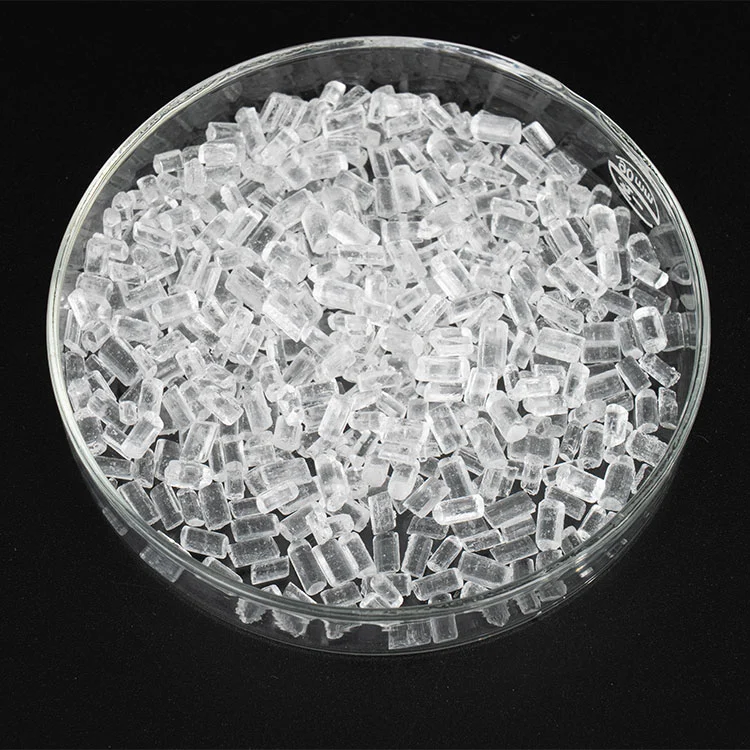
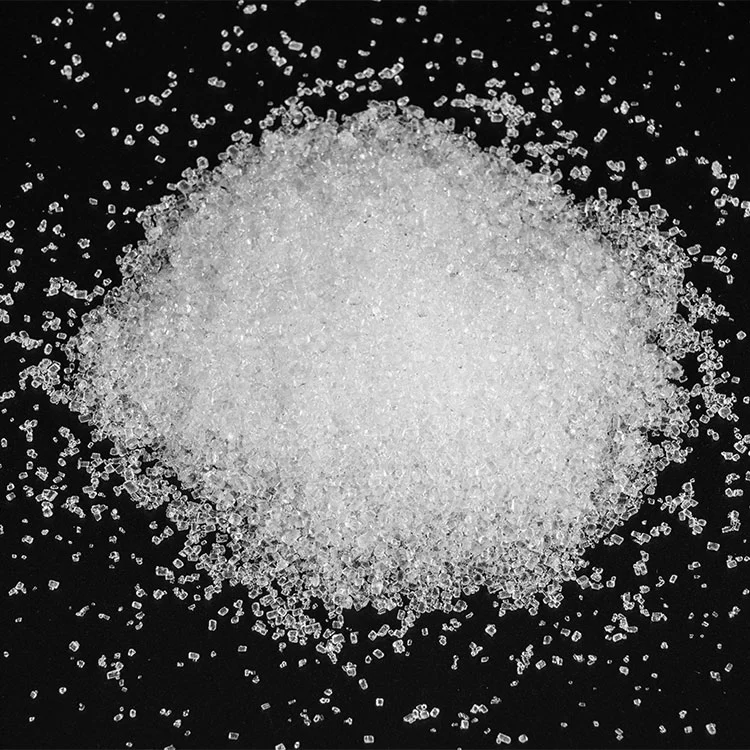
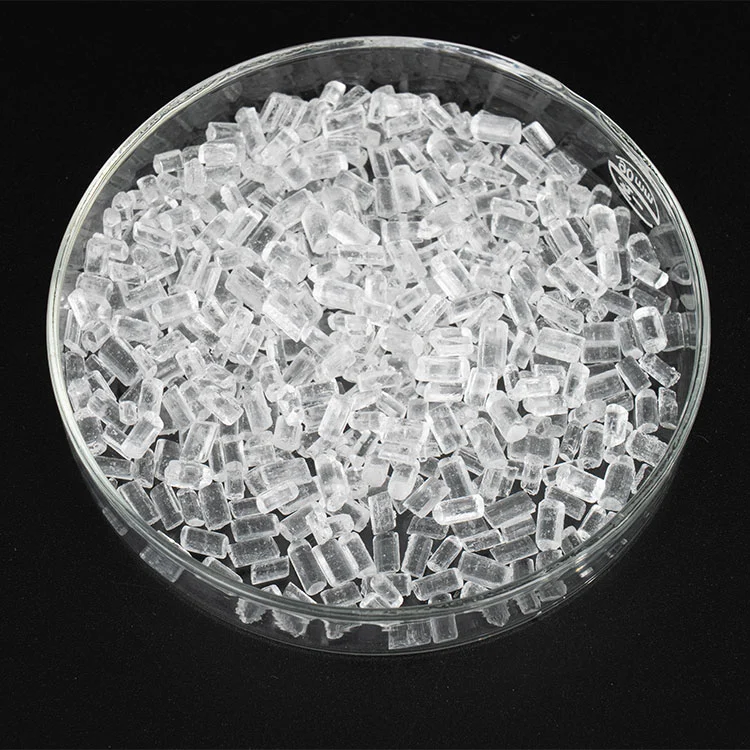
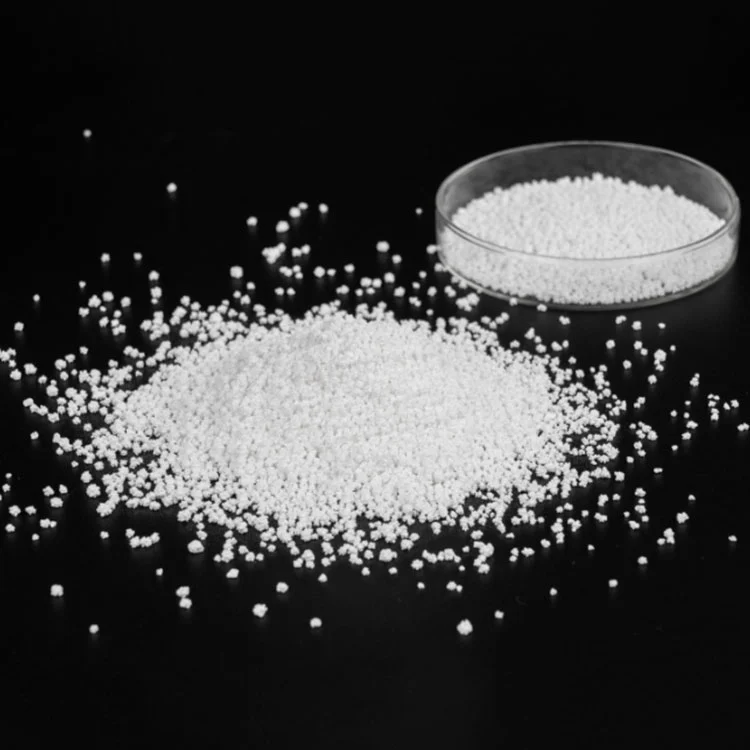
V&S Chem publishes sodium thiosulfate pentahydrate in 1-3 mm, 3-5 mm and 5-8 mm forms. Smaller granules expose more area for rapid batch dissolution. Larger granules generate fewer fines and can suit steady feeding or erosion systems. The exact choice still depends on the feeder opening, hopper, water temperature, mixing energy and required dissolution time.
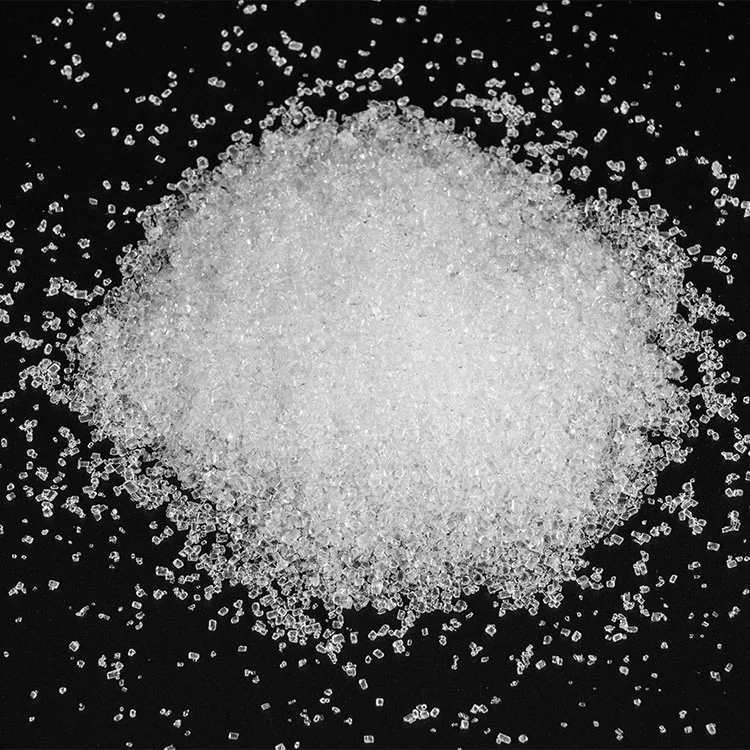
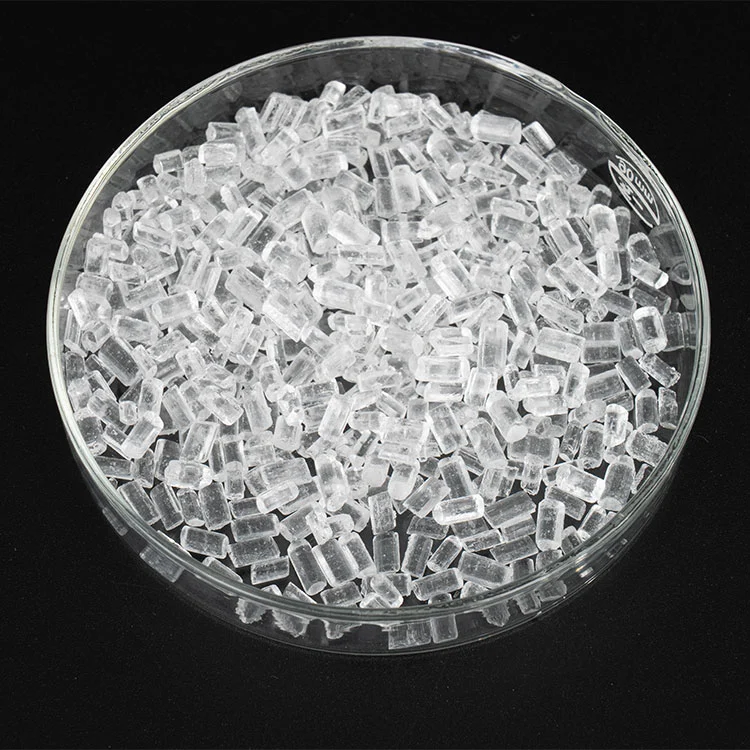
Granule size does not remove the need to specify hydrate form and assay. If changing from pentahydrate to anhydrous material, use the pentahydrate-to-anhydrous conversion guide before changing the feed setting.
Video: dechlorination in the compliance workflow
Calibrate the feeder and verify the process
Calibration connects a control setting to actual chemical output. For a liquid pump, this commonly means measuring volume delivered over a known time at selected settings. For a dry feeder, it means collecting and weighing output over a known interval. Run the procedure under the approved operating conditions and follow the equipment manual.
- Confirm chemical identity and solution strength
- Verify the calibration vessel or scale
- Prime liquid lines and remove trapped air
- Record stroke, speed or feeder setting
- Measure output over a known time
- Repeat enough points to define the operating range
- Create or update the calibration curve
- Label the curve with date and equipment ID
- Check the downstream chlorine residual
- Recalibrate after maintenance or material changes
A calibration curve can drift as components wear or system conditions change. Pennsylvania DEP training warns that manufacturer output formulas are estimates and identifies field calibration as the more accurate way to determine actual pump output.[2]
| Symptom | Check first | Likely response |
|---|---|---|
| Residual rises at high flow | Flow pacing, maximum pump output and injection mixing | Verify the feed calculation and whether the pump can cover peak demand |
| Pump setting is stable but output falls | Loss of prime, air, check valves, tubing, suction level and backpressure | Repair and recalibrate before changing the process dose |
| Dry feed varies between runs | Bridging, fines, bulk condition, hopper level and calibration collection | Correct material flow and rebuild the output curve |
| Batch results differ by sample point | Mixer operation, tank geometry, addition point and contact time | Improve mixing and repeat validation sampling |
| Total chlorine remains after free chlorine reaches zero | Chloramine or combined residual | Use the approved total-chlorine control strategy and verify contact |
The free and total chlorine testing guide explains how to confirm the downstream result without treating a pump setting as proof of completion.
Use this selection checklist before buying equipment
- Minimum, normal and peak water flow
- Free and total chlorine range
- Required downstream residual or reporting limit
- Batch volume and available hold time
- Preferred solid or liquid feed route
- Available tank and mixer capacity
- Required pump turndown and maximum output
- Granule-size limits of the feeder
- Flow signal and control interface
- Sampling points and contact time
- Redundancy and alarm requirements
- Warehouse and chemical segregation plan
Equipment sizing and safety review belong to the system designer and responsible operator. A chemical supplier can confirm available product form and documents, but should not invent the hydraulic, electrical or control requirements of an unseen installation.
Sodium thiosulfate dosing-system questions
Is batch dosing more accurate than continuous dosing?
Neither is automatically more accurate. A batch system can be verified before release, while a calibrated continuous system can follow changing flow. Accuracy depends on volume or flow measurement, chemical preparation, feeder calibration, mixing and residual testing.
Can sodium thiosulfate granules be fed directly into a flowing pipe?
Only through a system designed to meter and dissolve the solid reliably. Direct manual addition to a variable stream provides weak control and may leave undissolved material or an uneven dose.
Which granule size fits a batch tank?
1-3 mm or 3-5 mm material can suit rapid make-up under adequate agitation. Confirm dissolution time, dust control and the exact tank procedure before specifying the size.
Which granule size fits a continuous feeder?
5-8 mm granules can suit compatible continuous or erosion feeders because they create fewer fines and dissolve more steadily. The equipment manufacturer must confirm the acceptable size range.
How often should a sodium thiosulfate feed pump be calibrated?
Use the facility SOP, equipment manual and governing requirements. Recalibrate after work that can change output, and whenever verification shows drift. Do not invent a universal interval for every pump and duty.
Match the sodium thiosulfate form to your dosing system
Send V&S Chem your hydrate form, assay, granule size, packaging, quantity and destination. Add the batch or continuous feed method so the enquiry can be matched to the relevant product specification and documents.
Send your enquiry