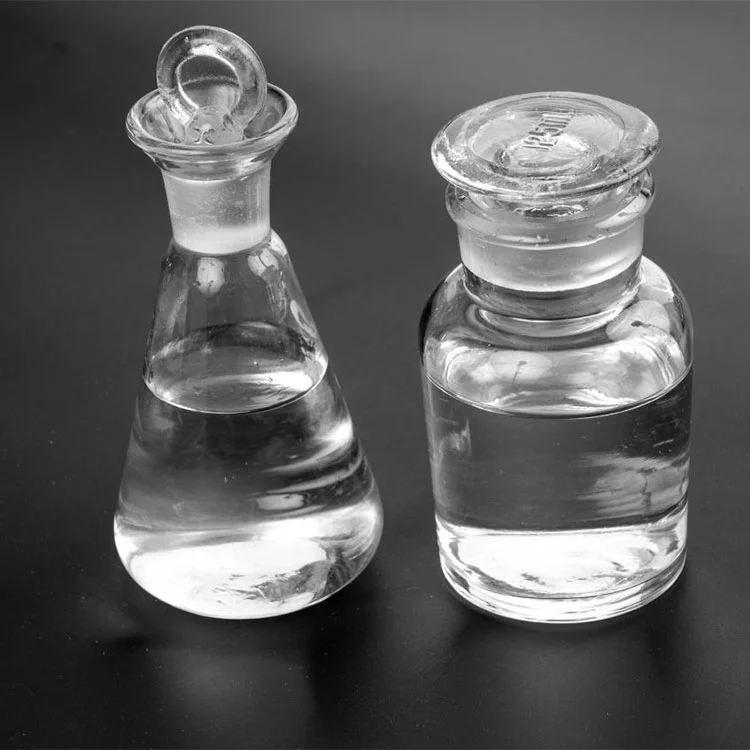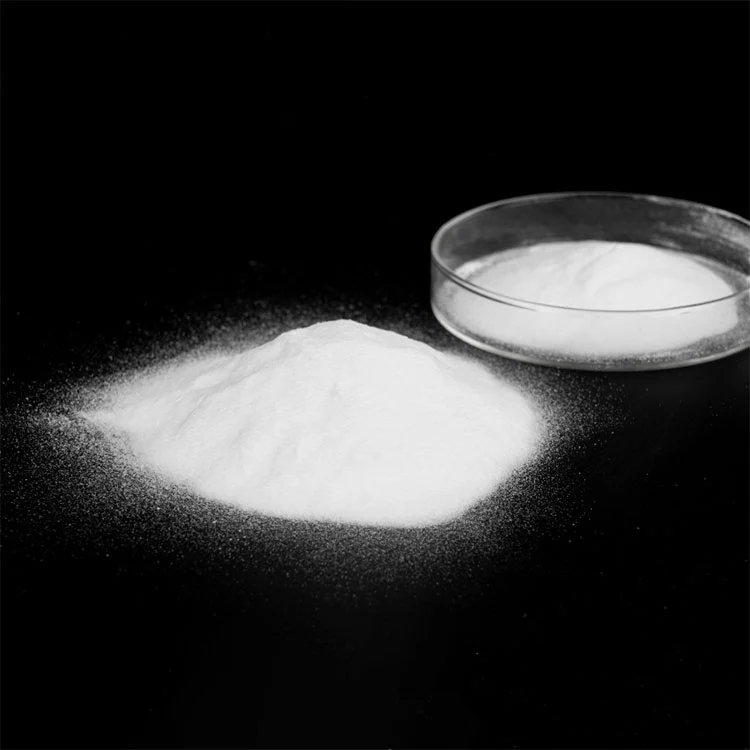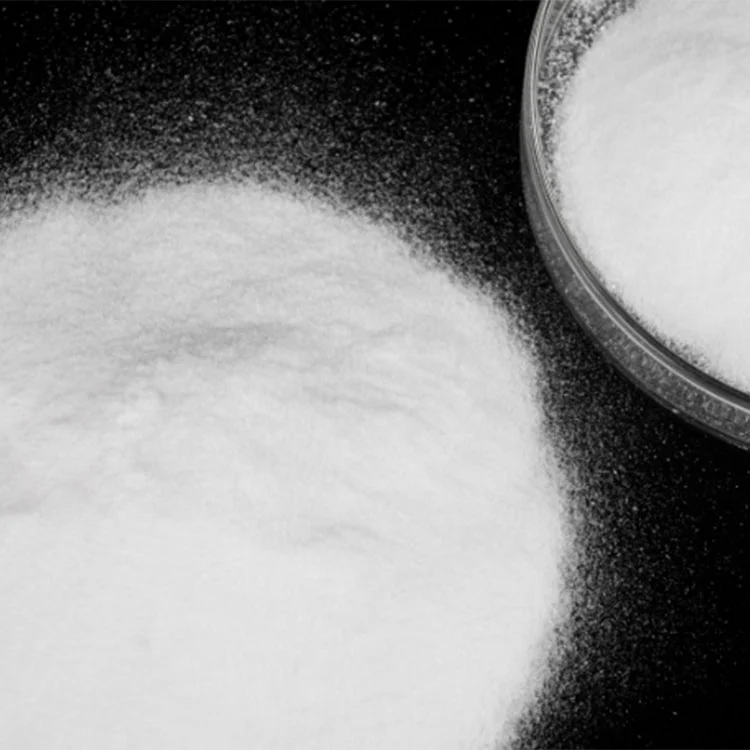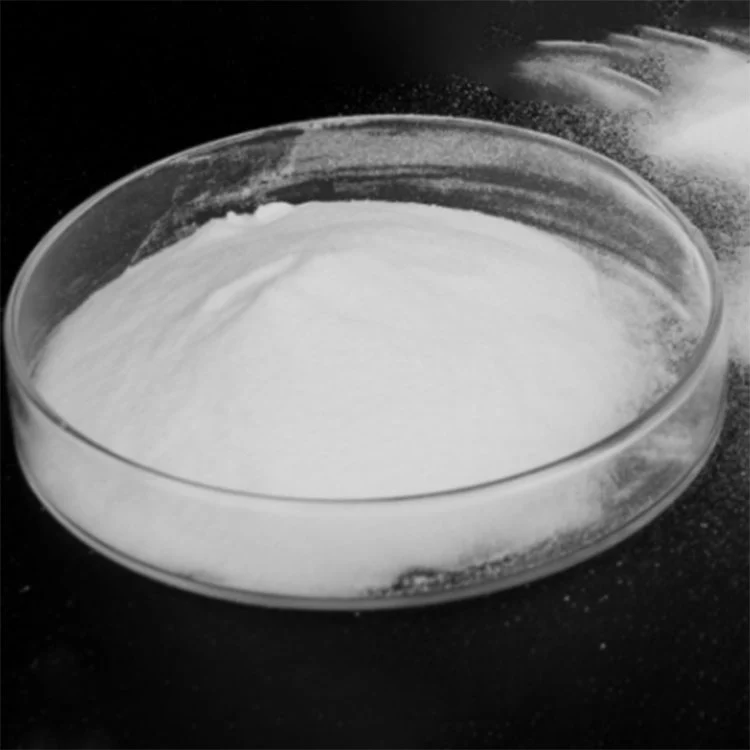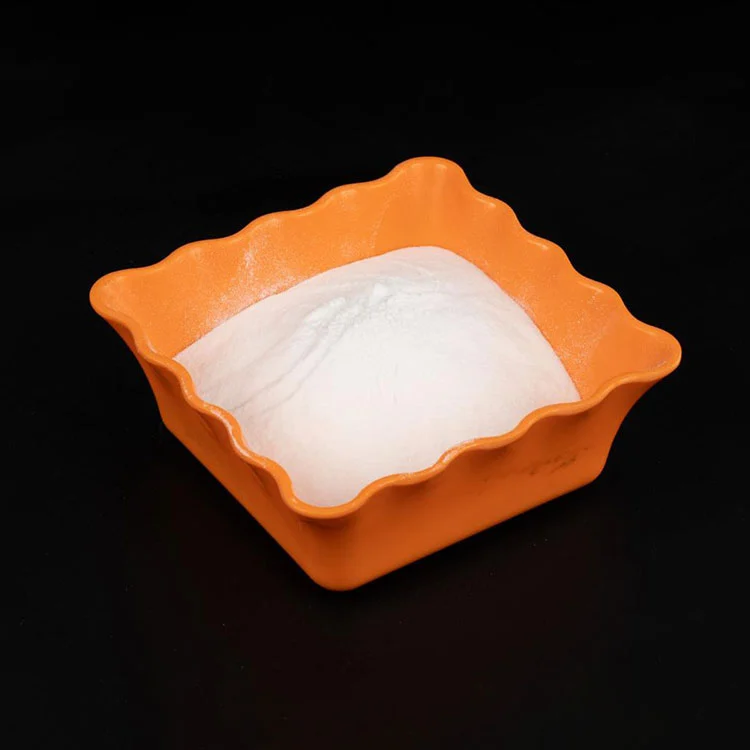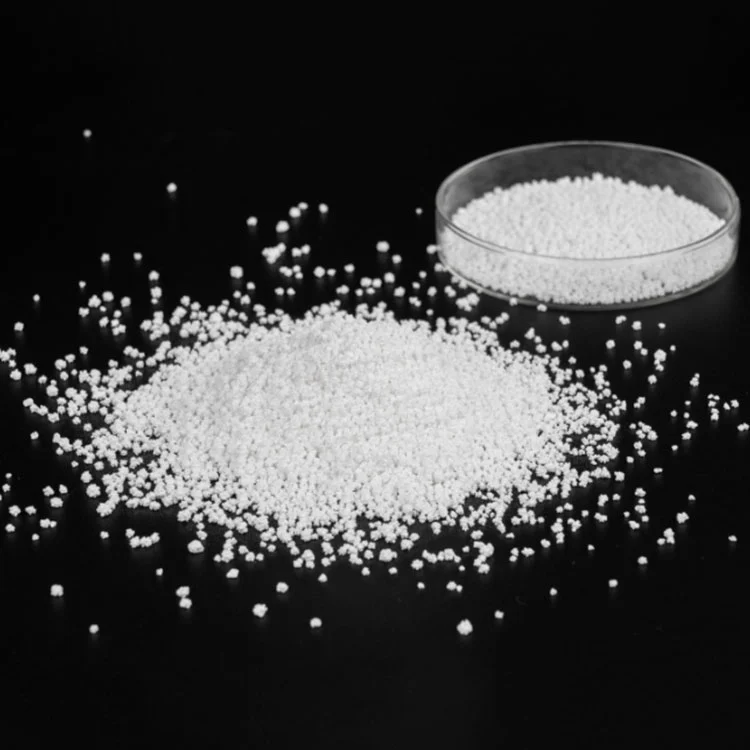

V&S, an experienced China chemical manufacturer and supplier, offers 1-3 mm Sodium Thiosulfate Pentahydrate for industrial applications requiring a reliable reducing agent and dechlorination chemical. With a specified assay of 99% for this product, the crystalline material is suitable for a range of applications, including water treatment, leather processing, pulp and paper production, photography, and metal recovery. Understanding its chemical properties, particle size, and quality specifications helps buyers select the right material for their production requirements.
Sodium thiosulfate pentahydrate is a water-soluble inorganic compound valued for its reducing properties and ability to react with certain oxidizing agents. The 1-3 mm granular form offers a practical option for industrial users who need a defined particle size for handling, dissolution, and batch preparation. This article explains its chemical identity, key specifications, industrial uses, purchasing considerations, and storage requirements. It also outlines how manufacturers can evaluate product quality and supplier reliability before placing a bulk order.
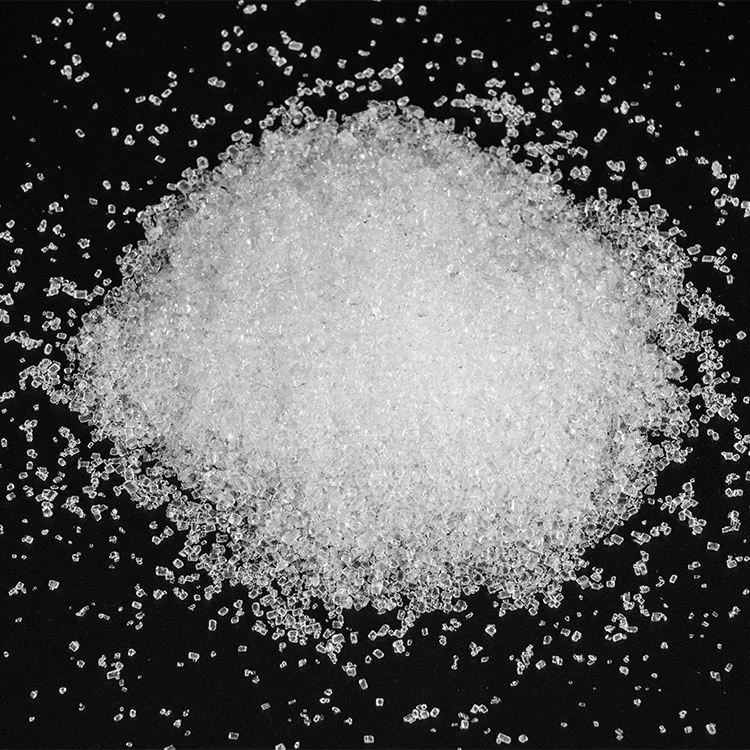
Sodium thiosulfate pentahydrate is an inorganic salt consisting of sodium thiosulfate associated with five molecules of water of crystallization. Its molecular formula is Na2S2O3·5H2O, and its CAS number is 10102-17-7. It is also known as sodium hyposulfite or hypo in certain industrial and photographic contexts.
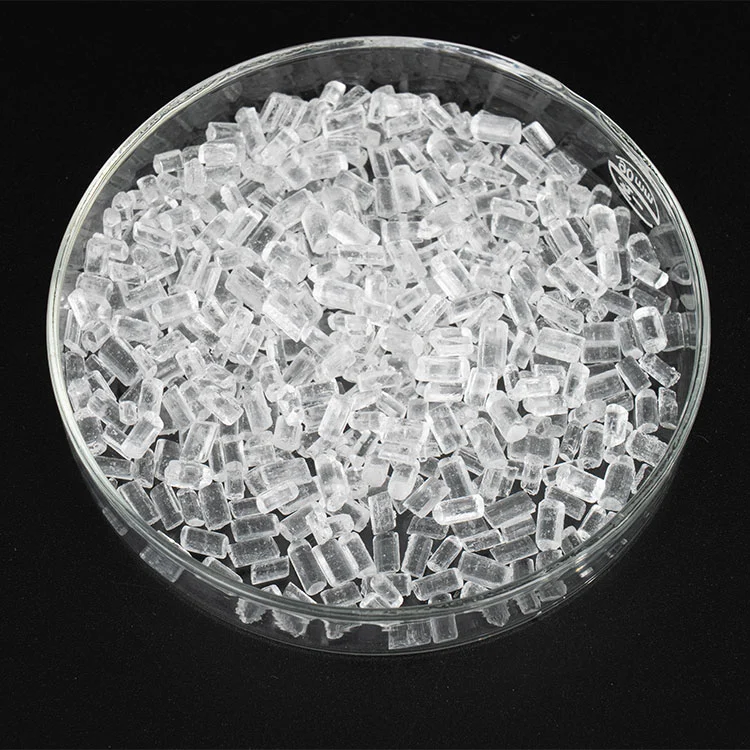
The compound is typically supplied as colorless, transparent crystals and dissolves readily in water. Its reducing properties make it useful in processes where selected oxidizing substances must be neutralized or chemically converted. Depending on the formulation, operating conditions, and applicable industry requirements, it can serve as a processing chemical in several manufacturing environments.
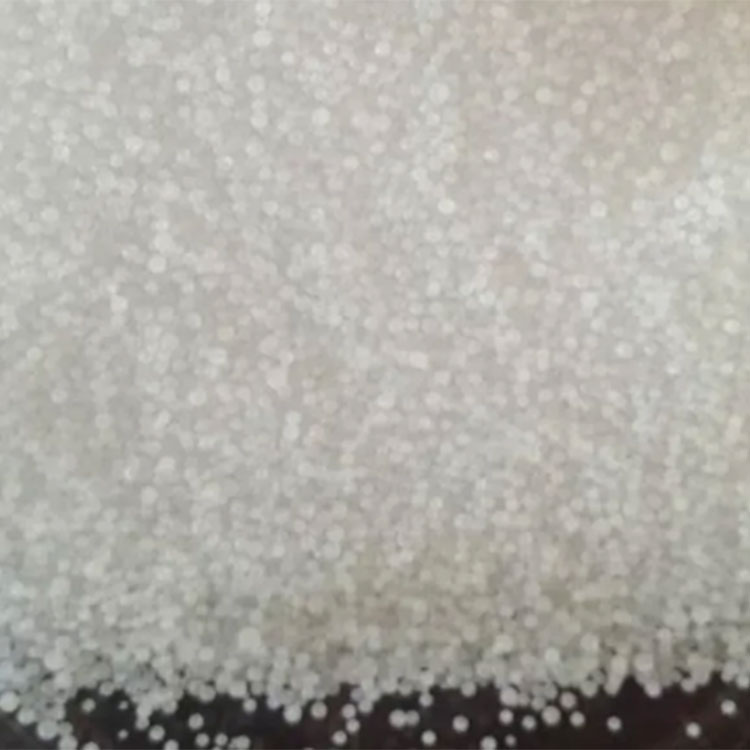
The term "1-3 mm" refers to the nominal particle-size range of the supplied granules. It describes the material's physical form rather than a different chemical composition. For buyers, this distinction matters because particle size can influence feeding behavior, dissolution, dust generation, and the suitability of the product for particular dosing arrangements.
For product-specific details, buyers can consult the V&S 1-3 mm Sodium Thiosulfate Pentahydrate product page.
Checking the chemical identity and technical specifications is an essential step when sourcing industrial chemicals. The following table summarizes the main product information published by V&S. Buyers should confirm the current specification sheet and certificate of analysis for the exact grade and batch being purchased.
| Parameter | Product Information | Why It Matters |
|---|---|---|
| Product name | 1-3 mm Sodium Thiosulfate Pentahydrate | Identifies the chemical and its nominal particle-size range. |
| Chemical formula | Na2S2O3·5H2O | Confirms the pentahydrate form. |
| CAS number | 10102-17-7 | Supports chemical identification during procurement and documentation. |
| Molecular weight | Approximately 248.18 g/mol | Useful for chemical calculations and formulation work. |
| Assay | 99% as listed for the product | Provides a key purity specification for buyer evaluation. |
| Water-insoluble matter | 0.01% maximum | Helps assess the level of insoluble residue. |
| Sulfide | 0.001% maximum | Relevant to impurity control. |
| Iron (Fe) | 0.002% maximum | Important where trace-metal limits affect the process. |
| pH | 6.5-9.5 | Provides a reference range for the stated test conditions. |
| Appearance | Colorless, transparent crystals | Supports basic visual inspection on receipt. |
Important purchasing note: Specification values may differ by grade, test method, and contract. Confirm whether each limit applies to the intended product grade and whether the supplier's test method matches your incoming quality requirements. Do not use a general product-page specification as a substitute for batch-specific documentation.
The combination of water solubility and reducing behavior makes sodium thiosulfate pentahydrate useful in several established industrial processes. The appropriate grade, concentration, and operating procedure depend on the application and the materials being treated.
Sodium thiosulfate can react with residual chlorine and other suitable oxidizing species under appropriate conditions. It is therefore used in selected dechlorination applications, including certain water-treatment operations and process-water preparation. Operators should establish the required dose through validated calculations or testing, taking into account the actual oxidant concentration, water chemistry, and target residual level.
For aquaculture or other applications involving living organisms, chemical selection and dosing require particular care. The material should only be used according to the relevant water-quality requirements and a verified operating procedure.
Leather manufacturing may use sodium thiosulfate as a reducing agent in specific processing stages, including applications involving the reduction of certain chromium compounds. Its suitability depends on the process chemistry, desired product characteristics, and applicable environmental controls.
In pulp and paper operations, sodium thiosulfate may be used in selected chemical treatment and dechlorination processes. The objective is to control residual oxidizing chemicals where the process design requires it. Actual performance depends on the chemical concentration, contact conditions, and characteristics of the process stream.
Sodium thiosulfate has a long-established role in photographic fixing because thiosulfate ions form soluble complexes with silver halides. Related chemistry can also be relevant to silver recovery from suitable materials. Industrial recovery operations require a process-specific assessment of feed composition, reagent demand, recovery efficiency, and waste management.
Selected textile-processing and electroplating operations use sodium thiosulfate for chemical treatment or reduction-related functions. The exact role depends on the bath formulation and production method. Buyers should confirm compatibility with other process chemicals before introducing a new grade or changing the supplier.
Across these industries, the chemical should be selected according to the intended reaction, process conditions, and applicable regulatory requirements rather than relying on a broad application label alone.
Particle size is a practical purchasing consideration because it can affect how a solid chemical behaves during storage, transfer, and dissolution. The 1-3 mm form provides a defined granular range that may suit batch preparation and controlled material handling.
Particle size alone does not establish chemical purity or overall performance. Two products with the same nominal size may differ in assay, impurity levels, moisture condition, or crystal integrity. Buyers should evaluate physical and chemical specifications together.
Before placing an order, industrial purchasers should match the product's physical form and chemical specification to their actual process. A structured evaluation can help avoid unnecessary changes to dosing equipment, preparation procedures, and quality-control routines.
When comparing suppliers, evaluate the delivered cost alongside quality consistency, packaging suitability, documentation, lead time, and communication. A low quoted price may not represent the best overall value if the product does not meet the plant's requirements or creates additional handling costs.
Reliable sourcing requires more than confirming the product name and nominal assay. A well-defined procurement process helps buyers verify that the delivered material meets agreed requirements and remains suitable for routine production.
When evaluating a supplier such as V&S, purchasers can ask for the following information:
Incoming inspection should follow the purchaser's quality-management procedure. Depending on the application, checks may include packaging integrity, product identification, visual appearance, particle size, assay, and selected impurity tests. Samples should be collected and handled using a documented procedure that avoids contamination and produces representative results.
For high-volume users, consistent specifications across shipments can be especially important. Agreeing on acceptance criteria before the first order helps both parties manage product changes, quality discrepancies, and future replenishment more effectively.
Appropriate storage helps maintain product condition and reduces the risk of contamination. Although sodium thiosulfate pentahydrate is widely used in industrial settings, every facility should follow the current safety data sheet supplied for the purchased grade.
Contact with strong acids can cause sodium thiosulfate to decompose, potentially releasing sulfur dioxide. Avoid mixing chemicals unless the reaction has been assessed and the procedure is specifically designed for that purpose.
Do not assume that a chemical is suitable for drinking water, food-related use, aquaculture, or medical applications simply because it is chemically identifiable as sodium thiosulfate. The intended use must be supported by the appropriate grade, regulatory status, documentation, and professional assessment.
Its chemical formula is Na2S2O3·5H2O. The compound contains sodium thiosulfate and five molecules of water of crystallization. Its CAS number is 10102-17-7.
The designation refers to the nominal particle-size range of the granules. It describes the physical form of the product, not a different chemical formula. Buyers should confirm the supplier's particle-size distribution and testing method when the size range is critical to their process.
Typical industrial applications include dechlorination, selected water-treatment operations, leather processing, pulp and paper production, photographic fixing, silver recovery, and certain textile or electroplating processes. Suitability depends on the application, product grade, and operating conditions.
Yes. Sodium thiosulfate pentahydrate dissolves readily in water. Dissolution time depends on factors such as particle size, water temperature, agitation, and solution concentration.
Request a current technical data sheet, a batch-specific certificate of analysis, and a safety data sheet. Confirm the assay, impurity limits, particle-size requirements, and testing methods against your procurement specification. Incoming inspection may also be required by your quality-management system.
Store it in suitable closed packaging in a clean, dry area, protected from contamination and incompatible chemicals. Follow the supplier's safety data sheet for specific storage, handling, and protective-equipment requirements.
Visit the V&S product page to submit an inquiry. To help the supplier prepare a suitable quotation, provide your required grade, particle size, quantity, packaging preference, destination, and any special technical or documentation requirements.
1-3 mm Sodium Thiosulfate Pentahydrate combines a defined granular form with the established reducing properties of sodium thiosulfate. Its potential uses span water treatment, leather processing, pulp and paper production, photographic fixing, silver recovery, and other industrial applications. The best purchasing decision considers chemical identity, assay, impurity limits, particle-size distribution, handling requirements, and the documentation needed for the intended process.
V&S provides product information for buyers evaluating sodium thiosulfate pentahydrate for industrial supply. Whether you are planning a first order or reviewing an existing sourcing arrangement, confirming your technical requirements before purchase can help improve procurement consistency and reduce avoidable production issues. For current specifications, bulk pricing, packaging options, and delivery details for 1-3 mm Sodium Thiosulfate Pentahydrate, visit the official V&S product page and contact us to discuss your requirements with the team.
-