

If residual chlorine remains after sodium thiosulfate dosing, do not increase the dose immediately. Verify the chlorine test first, then check the product form and COA assay, stock-solution strength, actual pump or feeder output, mixing and contact conditions. Retest a representative downstream sample only after those inputs are confirmed. This order separates a real chemical shortfall from a testing, preparation or delivery problem.
A correct calculation can still produce a failed result
The chemical must be identified, prepared, delivered, mixed and verified as one system. A fault at any stage can leave residual chlorine or create unstable readings.

Troubleshoot the process in six layers
V&S guidance on testing, stock preparation and dosing points to the same diagnostic sequence: prove the measurement, then move upstream through the chemical and equipment. Skipping directly to a larger dose can hide the actual cause.[1][2][3]
The V&S verification guide states that completion is confirmed by testing treated water, not by confirming that chemical entered the tank.[1]
Read the result pattern before changing the feed
Free chlorine and total chlorine do not answer the same question. When chloramine or another combined residual may be present, a free-chlorine result alone can make an incomplete treatment look finished.
| Observed result | What it may indicate | Check before adjusting the dose |
|---|---|---|
| Free and total chlorine remain detectable | Treatment is incomplete for the measured stream. | Confirm incoming residual, dose basis, stock strength, delivery, mixing and contact time. |
| Free chlorine is not detected but total chlorine remains | Combined chlorine may remain, or the two methods may have different sensitivity. | Confirm whether chloramine is present and review the total-chlorine method and reporting range. |
| Total chlorine reads lower than free chlorine | The difference may come from analytical variation, timing or procedure. | Repeat fresh samples and review reagent, timing, cells and instrument checks. |
| Residual cycles with pump operation | Feed pacing, pump calibration or mixing may be unstable. | Compare flow, pump setting, actual output and downstream grab results on the same timeline. |
| Results vary by sample point | The tank or line may not be fully mixed, or a point may not represent the treated stream. | Inspect circulation and injection location, then repeat validation sampling. |
| Both results are below the required reporting limit | The tested sample meets the analytical criterion used for that check. | Confirm that the sample point, method and documented acceptance criterion also match the operating requirement. |
Record the test method and reporting limit. The V&S testing guide warns that a displayed zero may mean the residual is below that method’s range, not that chlorine is absolutely absent.[1]
Use the symptom-based troubleshooting tool
Select the closest observation. The tool returns a focused inspection order and links to the relevant V&S procedure. It does not calculate a replacement dose or override the site SOP.
Dechlorination fault finder
Choose one symptom and work through the checks in order.
Operational response, release decisions and equipment work must follow the approved SOP, current SDS, instrument instructions and responsible operator or engineer.
Confirm the calculation basis before blaming the chemical
A mass or feed-rate calculation is valid only when every input uses the same basis. Confirm the chlorine species, water volume or flow, sodium thiosulfate form, batch assay and approved reaction factor.
Batch treatment
V&S expresses commercial product mass for a batch as:
The factor must match the chlorine species, product form and approved reaction basis.[3]
Continuous treatment
V&S separates chemical demand from liquid pump rate:
Changing flow without changing delivered chemical rate can create underfeed or overfeed.[3]
Four basis errors to rule out
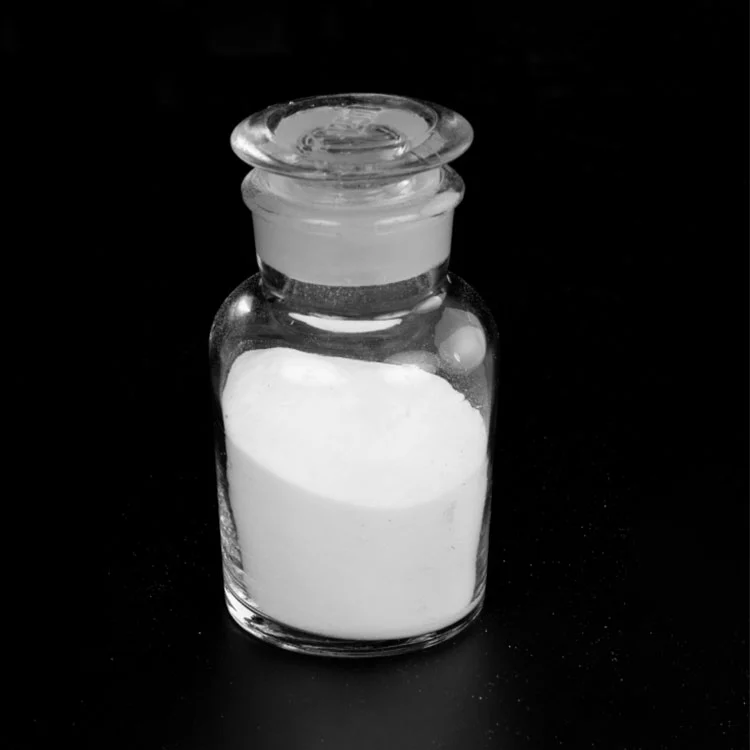
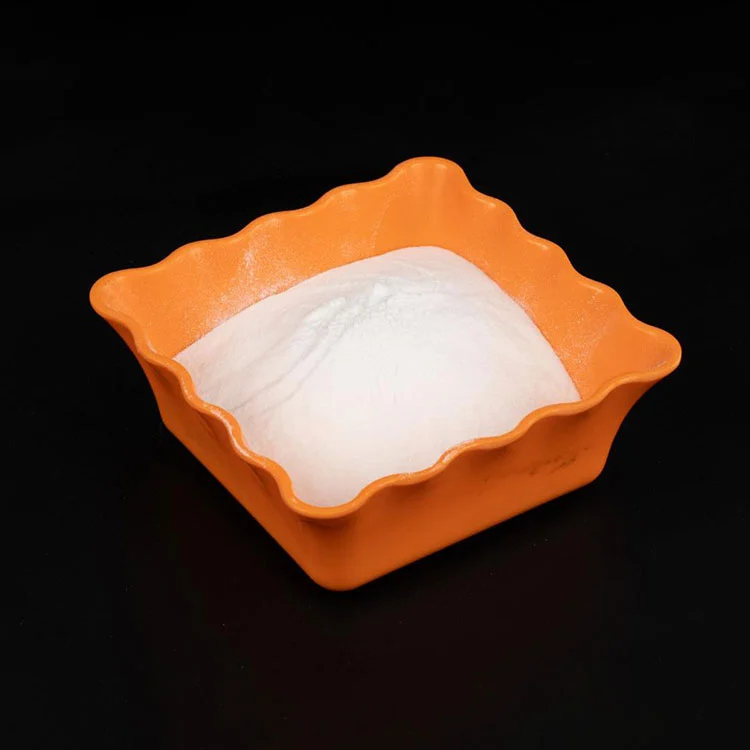
- Wrong hydrate form. Pentahydrate and anhydrous sodium thiosulfate are not interchangeable by bag weight. Confirm the form on the specification, label and COA before recalculating.[5]
- Assay not applied. Use the delivered COA assay rather than treating commercial product as pure material.
- Wrong water basis. Verify actual batch working volume or current flow instead of using a nominal tank or design value.
- Wrong chlorine basis. A factor for one chlorine species or approved reaction cannot be copied automatically to another condition. Use the V&S sodium thiosulfate buyer’s guide and the facility’s approved method.
Verify stock-solution strength and preparation
The stock-solution page defines concentration by final solution volume and warns against treating weight/volume and weight/weight percentages as the same basis. It states that 10% w/v equals 100 g/L and gives the assay-corrected preparation formula below.[2]
| Observation | Inspect | Controlled response |
|---|---|---|
| Crystals remain on the tank floor | Water volume, agitation, addition rate and water temperature | Continue controlled mixing and inspect the bottom and dead zones before transfer. |
| Correct pump rate, high residual | Actual stock strength, pump calibration, mixing point and current chlorine demand | Verify each input and retest after the approved contact period. |
| Strength changes during storage | Hold time, closure, evaporation and contamination | Quarantine the solution and use the site’s verification method. |
| Repeated line or nozzle blockage | Undissolved solids, contamination and equipment compatibility | Inspect preparation and line design before increasing pressure. |
| Operators obtain different batch quantities | w/v versus w/w, active basis versus commercial-product basis | Standardize the batch sheet in g/L, show the assay and state final volume. |
For the full charging sequence, use the stock-solution preparation guide. It calls for adding most of the water first, starting controlled agitation, adding weighed product gradually, checking the tank bottom, and topping up to final volume after dissolution.
Measure what the pump or feeder actually delivers
A selected stroke, speed or feeder setting is a control input, not a measured chemical output. The V&S batch-versus-continuous guide recommends calibrating the installed equipment, recording the operating settings and checking the downstream result.[3]
Liquid pump checks
- Correct stock concentration and tank level
- Prime and trapped air
- Suction condition and tubing
- Check valves and backpressure
- Measured output over a known time
- Flow pacing at low and peak flow
- Injection point and mixing
Dry-feeder checks
- Granule range accepted by the feeder
- Bridging or ratholing in the hopper
- Fines and changed bulk condition
- Stable hopper level where required
- Collected mass over a known time
- Dissolution or erosion condition
- Output after refill or maintenance
If the pump loses prime or the dry feeder bridges, a larger setting may still fail to deliver the calculated mass. Correct the mechanical issue, recalibrate and then verify the residual.
Check mixing, contact and sampling together
A representative result requires the chemical and water to meet before the sample is collected. For a batch, hold the water until the approved mixing, contact and test steps are complete. For continuous flow, connect sample location and time to the injection point, hydraulic travel and current feed condition.
- Incoming free and total chlorine
- Verified batch volume or water flow
- Product form and COA assay
- Stock concentration and preparation time
- Actual pump or feeder output
- Injection or addition point
- Mixer or circulation status
- Approved contact period
- Downstream sample point
- Test method, range and reporting limit
- Operator, time and adjustment
- Confirmation result and release decision
Video: free chlorine residual analysis
Separate a product-condition problem from a process problem
Wet, torn or caked bags should not be forced into a feeder or assumed to behave like intact stock. The V&S storage guide recommends keeping the product sealed, cool, dry and ventilated; protecting it from water and direct sunlight; keeping bags off the floor; inspecting package condition; and resealing partial bags.[4]
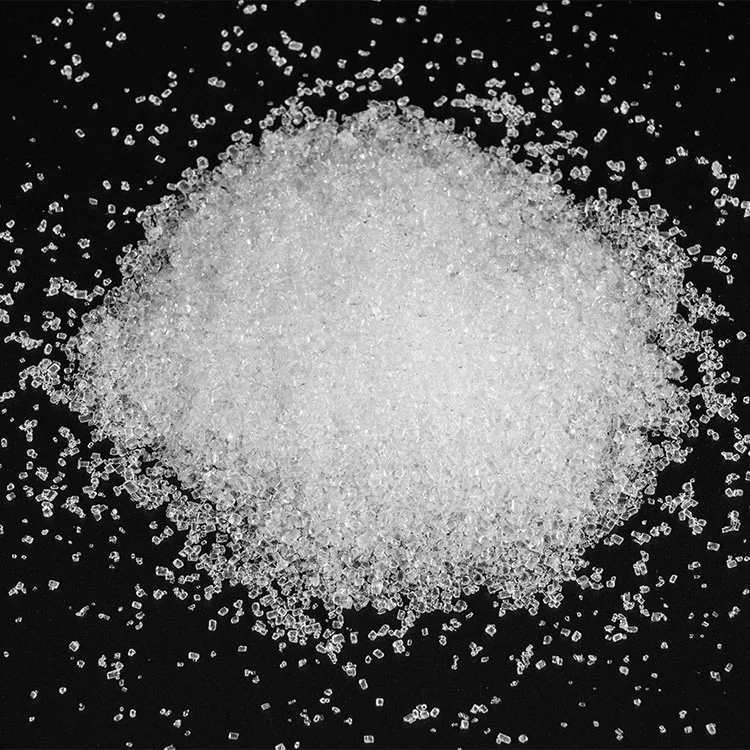
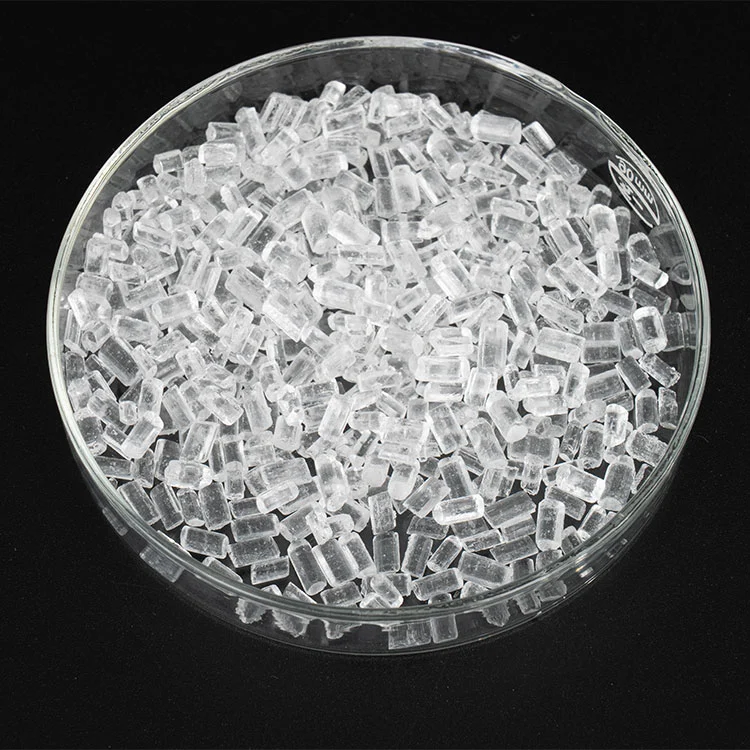
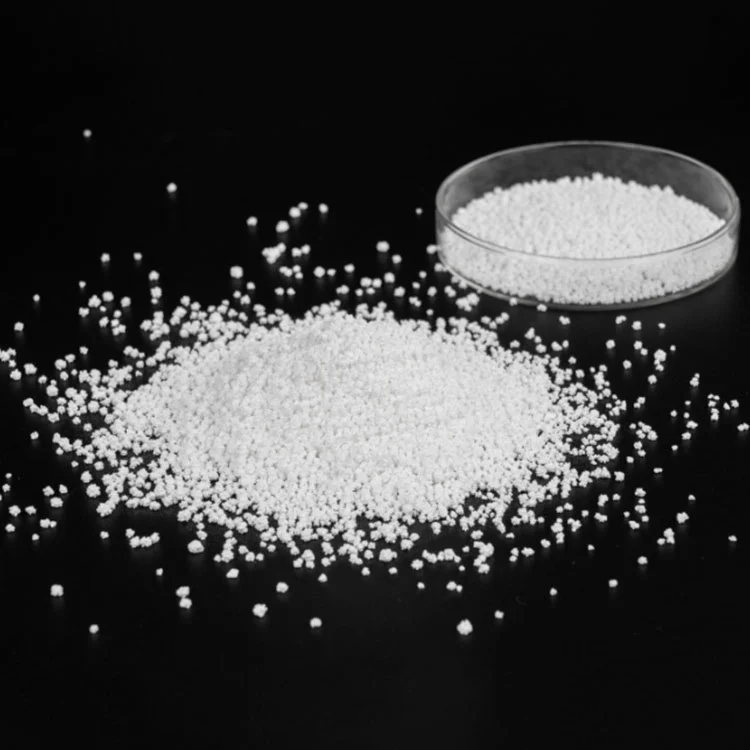
Granule size changes dissolution and handling, not the need for calibration and residual testing. Use the V&S granule-size guide to match the product to the make-up tank or feeder.[6]
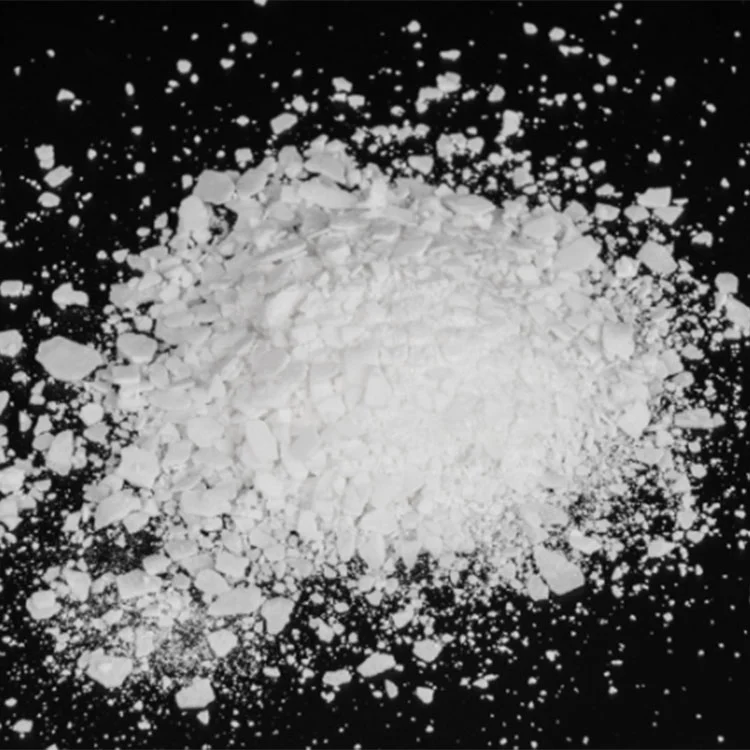
The V&S form-selection guide advises quarantining wet, torn or caked bags and updating feeder calibration when bulk behavior changes.[5] Follow the current SDS and the site’s material-review procedure before reuse.
Close the fault with evidence
A correction is complete when the team can state what changed and show that the treated-water result passed the documented criterion. Record the original symptom, the verified cause, the corrective action and the confirmation result.
| Fault found | Correction | Evidence to retain |
|---|---|---|
| Test or sampling error | Repeat the approved method with fresh, representative samples. | Sample point, time, method, range, reagent or instrument check and repeated result. |
| Wrong product or assay basis | Correct the calculation for the named form and batch COA. | Label, specification, COA, calculation revision and approval. |
| Stock-strength error | Quarantine or remake the solution under the approved batch sheet. | Weights, final volume, assay, preparation time and operator. |
| Pump or feeder fault | Repair, prime or clear the equipment and recalibrate output. | Maintenance action, calibration result and operating setting. |
| Mixing or contact problem | Correct circulation, injection, hold or sampling conditions. | Operating change, contact condition and downstream confirmation. |
| Wet or caked product | Quarantine affected packages and protect remaining stock. | Lot, package condition, storage observation and disposition. |
Sodium thiosulfate troubleshooting questions
Why does total chlorine remain after free chlorine reaches zero?
Combined chlorine may remain when chloramine is present, or the two methods may have different sensitivity. Confirm the source disinfectant, total-chlorine method, reporting range, dose basis, mixing and contact conditions before changing the feed.
Should I increase sodium thiosulfate whenever residual chlorine is detected?
No. First confirm the sample and test, incoming chlorine, product form and assay, stock strength, actual pump or feeder output, mixing and contact time. Increasing the setting before those checks can hide the real problem.
Why is the pump setting correct but the residual is still high?
The actual output may differ from the setting, or the stock concentration, source demand, injection point or mixing may have changed. Measure delivered output under installed conditions and compare it with the calculation and downstream result.
What should I check when crystals remain in the solution tank?
Check water volume, agitation, addition rate, water temperature, granule size and tank dead zones. Continue controlled mixing and inspect the bottom before transferring the solution.
Can caked sodium thiosulfate be put straight into the feeder?
Do not assume it will feed like intact material. Quarantine wet, torn or caked bags, review storage and package condition, and follow the current SDS and site material-review procedure before deciding its disposition.
Match the sodium thiosulfate product to the dosing system
Send V&S Chem the hydrate form, grade, granule size, packaging, quantity and destination. For troubleshooting context, include the measured free and total chlorine range, water flow or batch volume, stock concentration and dosing equipment.
Contact V&S Chem