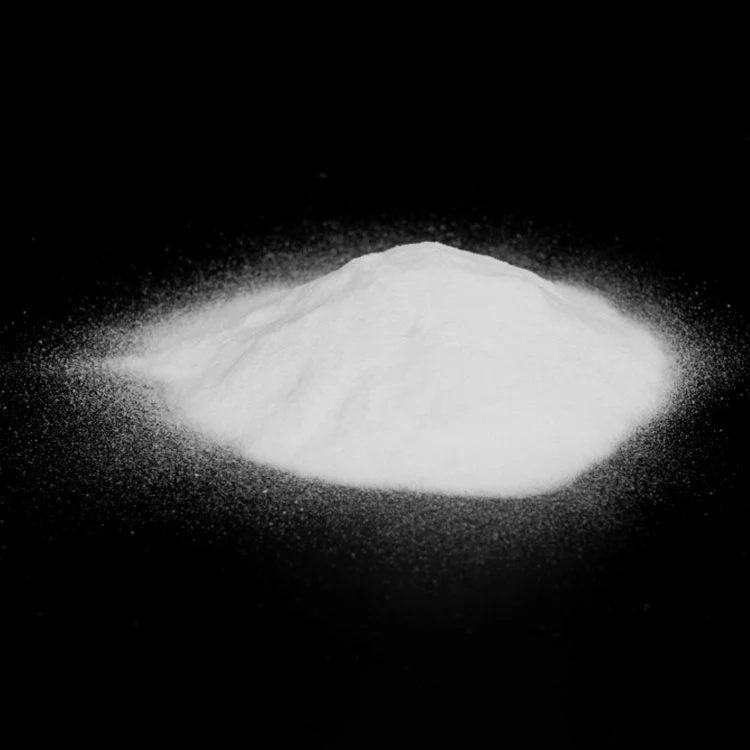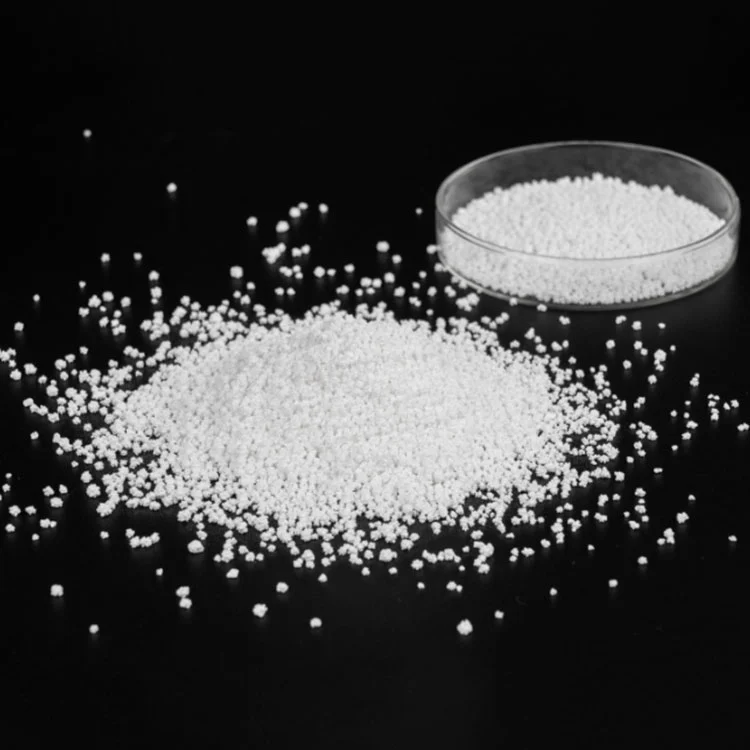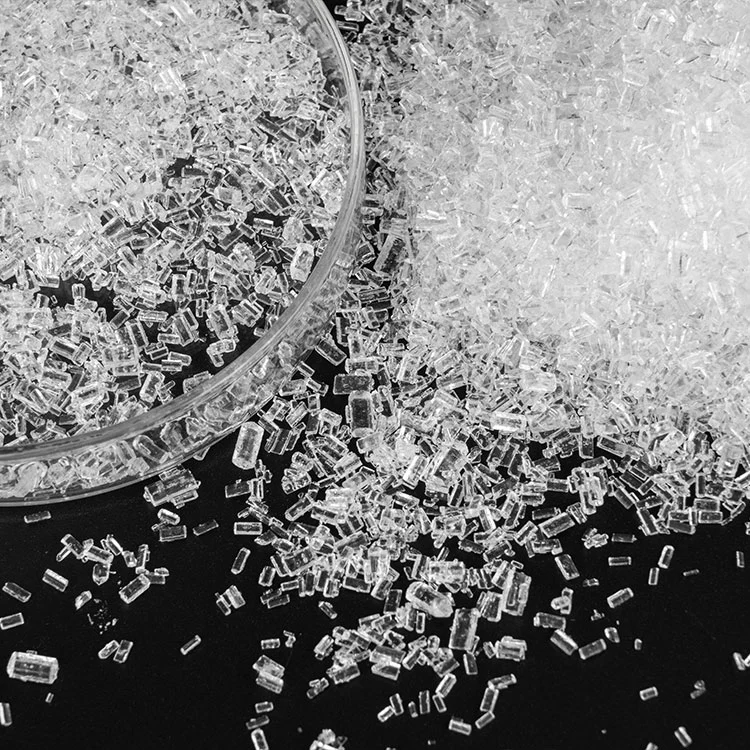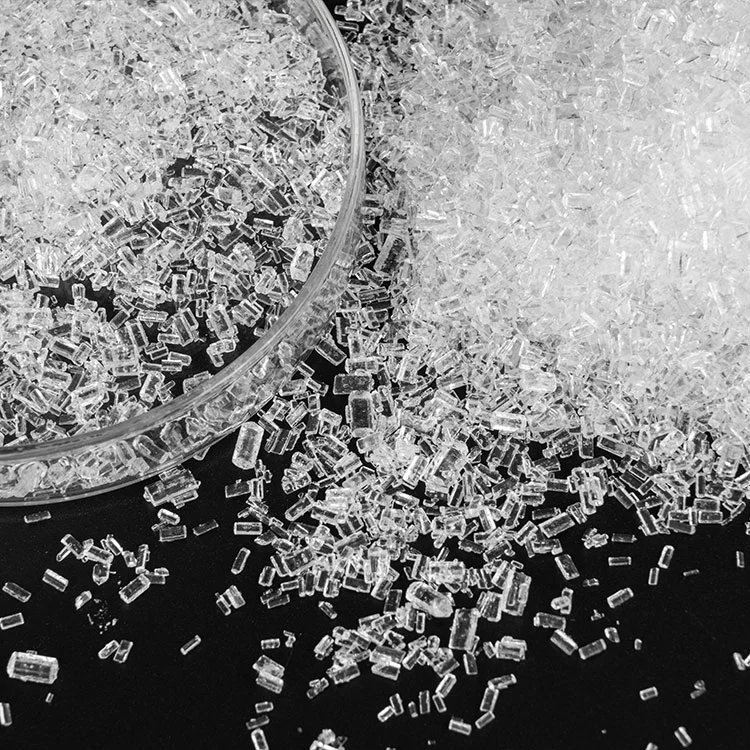
Sulfates are a group of inorganic compounds containing the sulfate ion (SO₄²⁻), widely found in nature and extensively used across industrial, agricultural, and environmental applications. In natural water systems, sulfates are almost always present. They originate mainly from the oxidation of sulfide ores, the dissolution of sulfate-containing minerals, geological formations such as shale, as well as from industrial activities.
From an industrial perspective, they are not just naturally occurring substances—they are essential functional materials. Different sulfate compounds exhibit distinct physical and chemical properties, making them indispensable in water treatment, agriculture, chemicals manufacturing, construction, pharmaceuticals, and animal nutrition.
V&S Chem, a qualified Chinese manufacturer, offers a range of sulfate products, supporting global customers with stable quality, consistent specifications, and reliable export services.
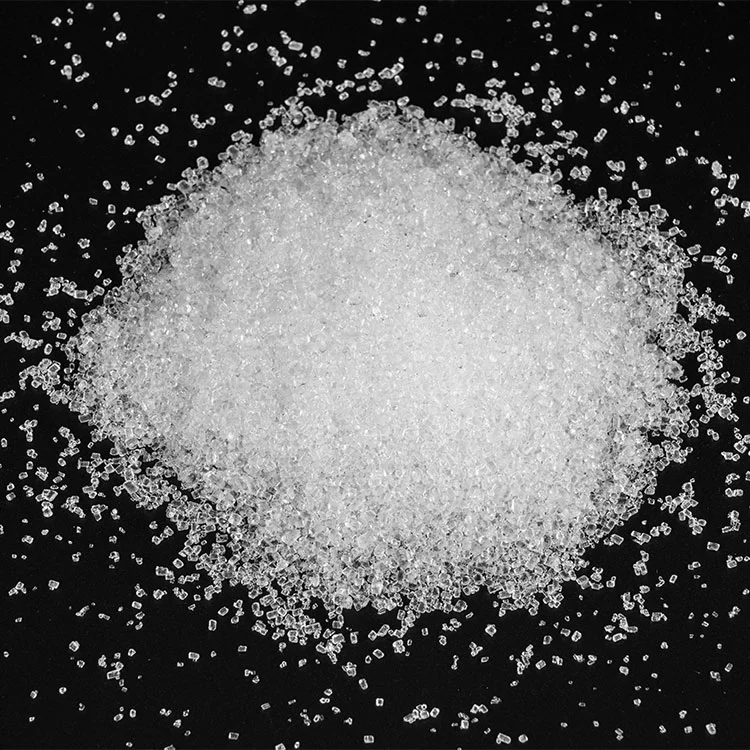
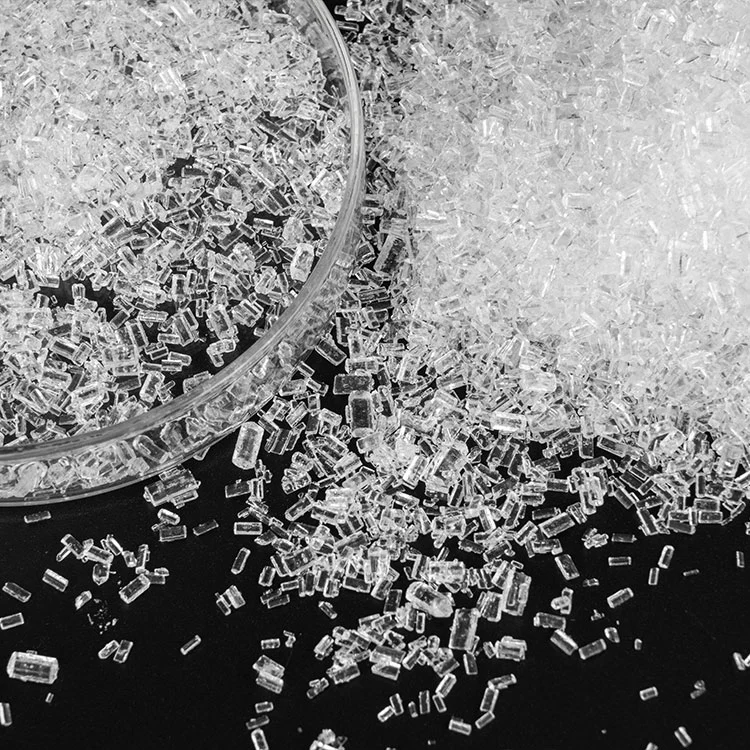
Sodium thiosulfate pentahydrate is an important multifunctional chemical, primarily used in photographic processing and gold extraction. Its alkylated derivatives, S-alkyl thiosulfonates, can be used in the synthesis of mercaptoacetic acid.
Furthermore, it plays a crucial role in water treatment, serving as a dechlorinator for tap water, removing free bromine from solutions, and acting as a liquid indicator to detect the pH of bleach solutions.
Other applications include: leather tanning, active ingredients in hand warmers, materials for chemical heating pads, and anionic surfactants used as dispersion aids in pharmaceutical formulations.
Due to its high efficiency, versatility, and reliable performance, this product is widely used in various industries, including chemical, pharmaceutical, and water treatment.
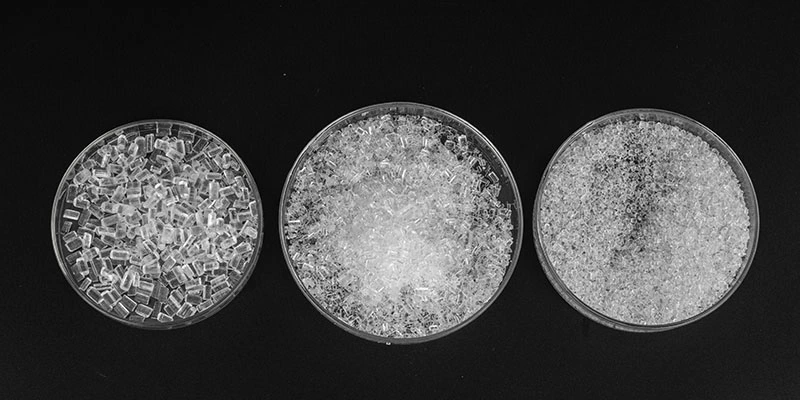
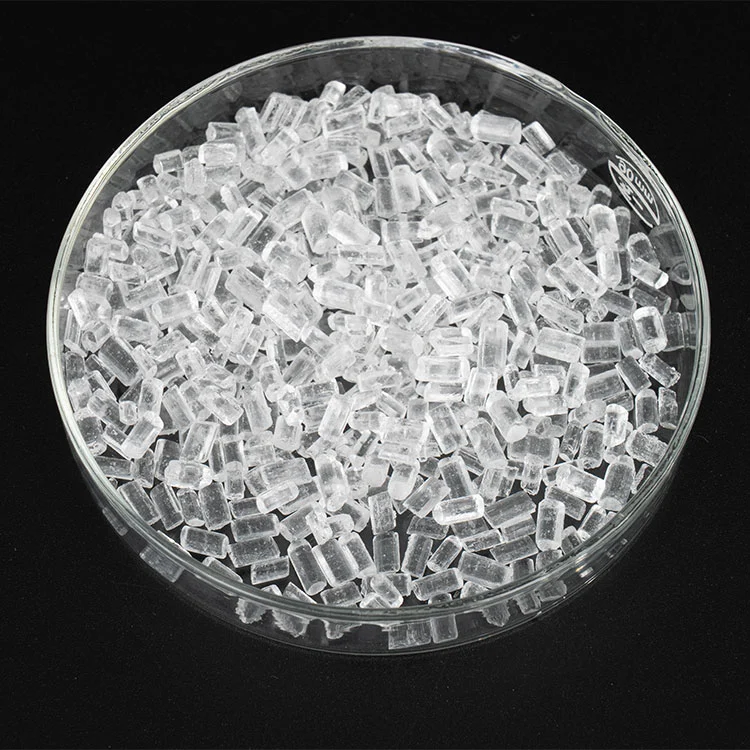
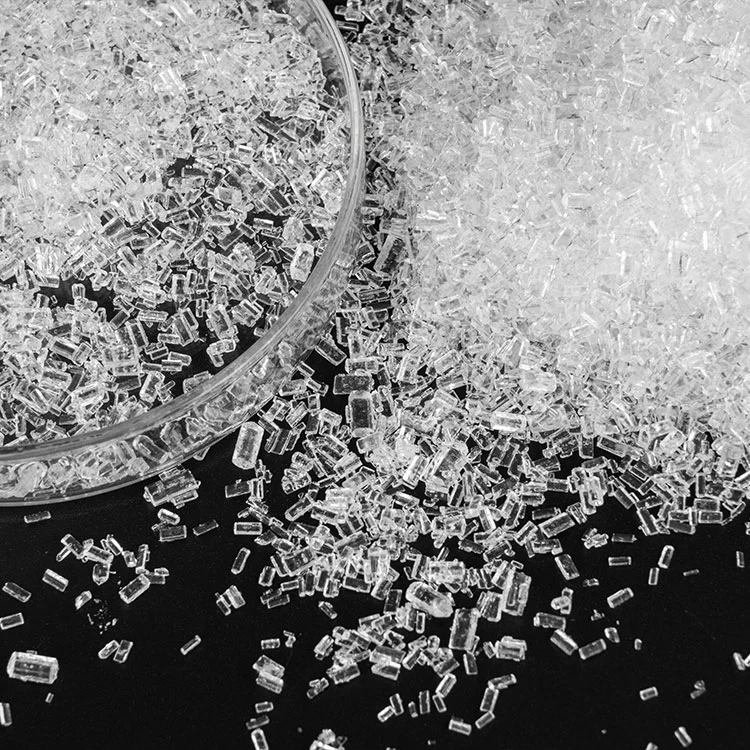
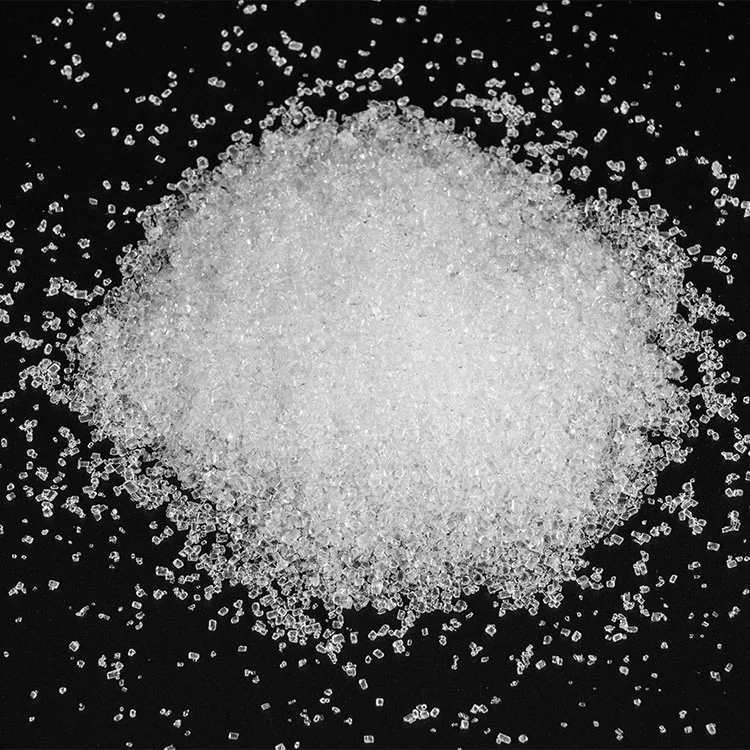
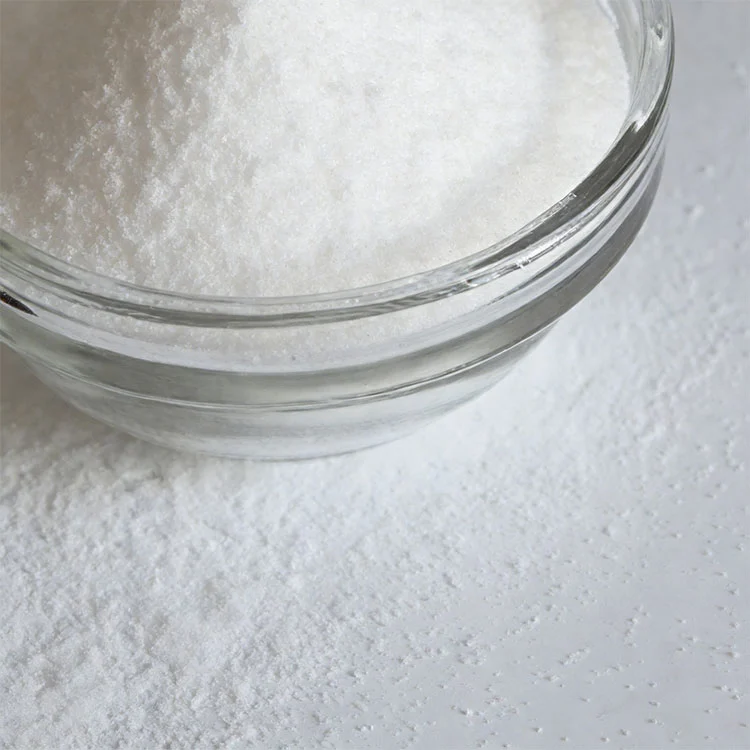
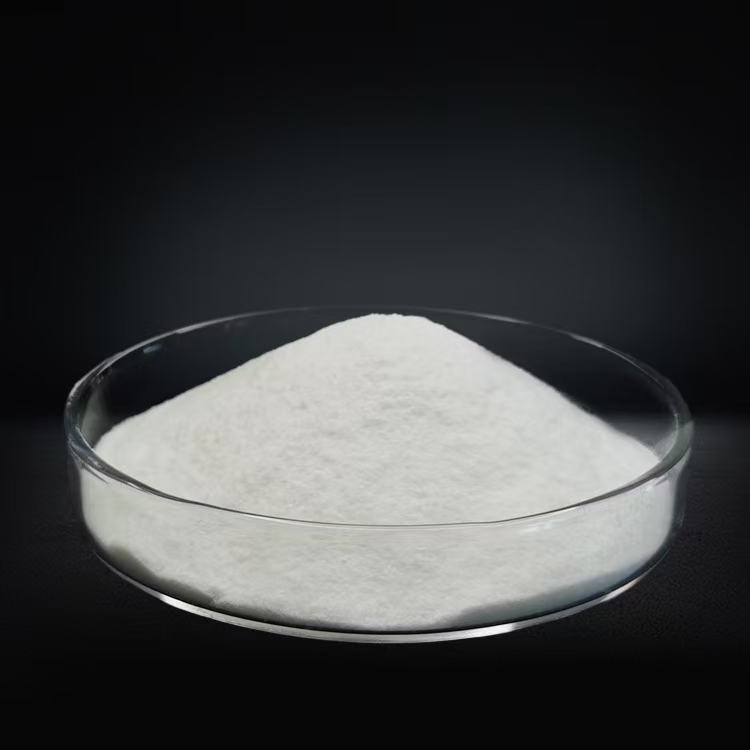
From a commercial standpoint, sulfates are far more than water contaminants. They are key industrial raw materials, including but not limited to:
Chemical synthesis intermediates
Fertilizers and soil conditioners
Feed additives
Detergents and cleaning agents
Construction materials
Water treatment chemicals
As a professional China-based chemical supplier, V&S provides Bulk sulfate products tailored for different industrial requirements, supporting customers with technical documentation, stable supply chains, and global logistics solutions.
At V&S, we understand that customers are not only buying Cheap sulfate compounds—they are buying consistency, compliance, and reliability. We work closely with certified manufacturers and ensure that every shipment meets agreed specifications and international standards.
Whether you are sourcing Low Price sulfates for water treatment, industrial processing, agriculture, or manufacturing, we are committed to delivering products that perform consistently in real-world applications.
If you need further technical data, product-specific sulfate information, or customized supply solutions, our team is always ready to support you.
Sulfates enter water supplies mainly through natural geological processes. As groundwater flows through soil and rock layers containing sulfate minerals, part of the sulfate dissolves into the water. Rainwater also contributes sulfate, as it absorbs sulfur compounds present in the atmosphere.
Common naturally occurring sulfate minerals include:
Magnesium sulfate
Calcium sulfate
Each of these sulfates has its own industrial significance and application value. For example, sodium sulfate is widely used in detergents and glass manufacturing, magnesium sulfate is applied in agriculture and pharmaceuticals, while calcium sulfate is essential in construction and cement industries.
Sulfate is one of the major dissolved components in rainwater and natural water sources. When present at moderate levels, Quality sulfates generally do not pose a health risk. However, high sulfate concentrations in drinking water may cause noticeable effects.
According to the World Health Organization (WHO), the guideline value for sulfate in drinking water is 500 mg/L. European Union standards are more stringent, recommending a maximum level of 250 mg/L for water intended for human consumption.
At elevated concentrations, sulfate can impart a bitter or medicinal taste to water, making it less acceptable for drinking. In combination with calcium and magnesium—two contributors to water hardness—high sulfate levels may have a laxative effect, particularly for people not accustomed to such water.
Beyond health concerns, sulfates can cause technical and infrastructure-related issues:
Taste issues: Water becomes unpleasant to drink when sulfate exceeds around 250 mg/L
Corrosion: High sulfate concentrations may accelerate corrosion in plumbing systems, especially copper piping
Material compatibility: In high-sulfate regions, corrosion-resistant materials such as plastic piping are often preferred
These considerations are particularly important in municipal water treatment, industrial water systems, and agricultural water management.
For applications requiring low sulfate levels, several treatment technologies are commonly used:
Reverse Osmosis (RO)
Reverse osmosis systems remove most dissolved salts, including sulfates, by forcing water through a semi-permeable membrane. Properly designed RO systems can remove 93–99% of sulfate, depending on operating conditions.
Distillation
Distillation removes sulfate by boiling water and condensing the steam. Sulfates remain in the boiling chamber. While highly effective (up to nearly 100% removal), distillation is energy-intensive and mainly used in specialized applications.
Ion Exchange
Ion exchange is widely used for large-scale sulfate removal in public, livestock, and industrial water supplies. In this process, sulfate ions are exchanged with other ions (typically chloride) using specialized resin. Once saturated, the resin must be regenerated with a salt solution.
It is important to note that water softeners do not remove sulfate; they only convert calcium or magnesium sulfate into sodium sulfate, which may still have a laxative effect.