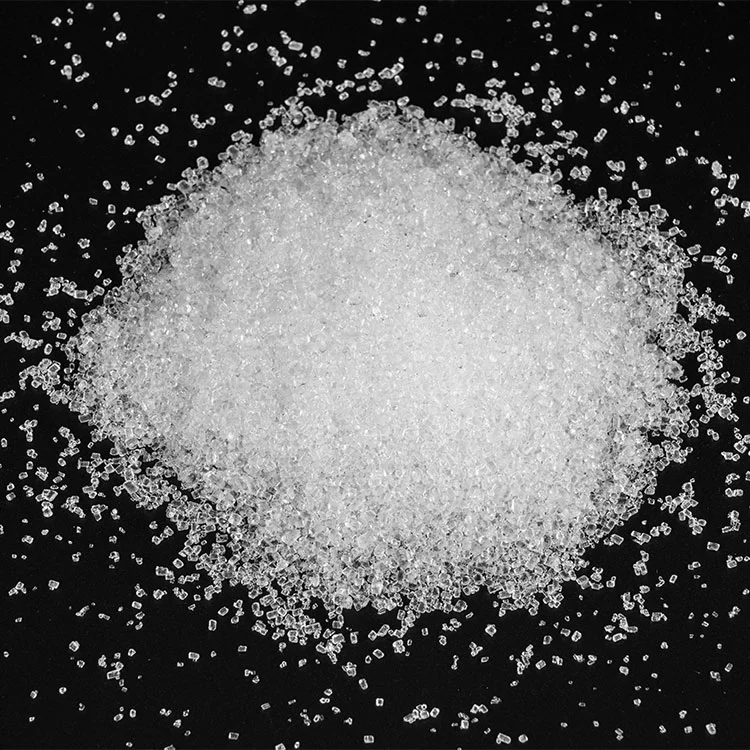
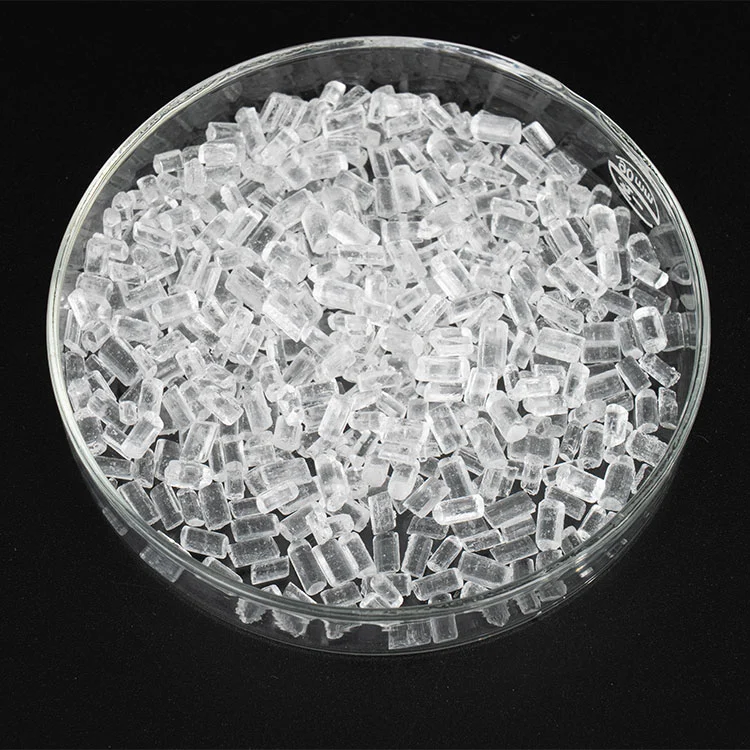
V&S, an experienced China chemical manufacturer and supplier, offers 1-3 mm Sodium Thiosulfate Pentahydrate for industrial applications requiring a reliable reducing agent and dechlorination chemical. With a specified assay of 99% for this product, the crystalline material is suitable for a range of applications, including water treatment, leather processing, pulp and paper production, photography, and metal recovery. Understanding its chemical properties, particle size, and quality specifications helps buyers select the right material for their production requirements.
Compare bulk sodium thiosulfate quotes only after matching chemical form, grade, assay basis, impurity limits, granule size and quantity. Then confirm packaging and the costs included in each written offer. Use one purchase specification for every quotation so the price comparison refers to the same material and delivery requirement.
If residual chlorine remains after sodium thiosulfate dosing, do not increase the dose immediately. Verify the chlorine test first, then check the product form and COA assay, stock-solution strength, actual pump or feeder output, mixing and contact conditions. Retest a representative downstream sample only after those inputs are confirmed. This order separates a real chemical shortfall from a testing, preparation or delivery problem.
Do not approve sodium thiosulfate from the assay number alone. First match the certificate to the ordered chemical form, formula, CAS number, grade and particle form. Then compare every reported result with the limits in the purchase specification: assay is normally a minimum, while water-insoluble matter, sulfide and iron are maximums. Finally, check pH against its permitted range and make sure the document belongs to the delivered batch.
Use batch dosing when water is treated in defined tanks and the operator can measure, mix, wait and release each volume. Use continuous dosing when water flows without interruption and the chemical feed can be paced to verified flow and chlorine demand. A liquid metering pump usually offers tighter continuous control than dropping dry product directly into a variable stream. Dry or erosion feeding can fit selected systems, but it needs compatible granules, stable hydraulics and a validated residual check.
Store sodium thiosulfate pentahydrate sealed in a cool, dry, well-ventilated area, protected from water, direct sunlight and incompatible chemicals. Keep bags off the floor, inspect them for damage and moisture, rotate stock by lot, and reseal partial bags promptly. Do not assign a universal shelf life: use the supplier's package label, specification, SDS and batch documentation, then inspect or retest material that has exceeded the approved storage period.
We use cookies to offer you a better browsing experience, analyze site traffic and personalize content. By using this site, you agree to our use of cookies. Privacy Policy


 16 2026-10
  09 2026-10
  30 2026-09
  19 2026-09
  01 2026-09
  01 2026-09