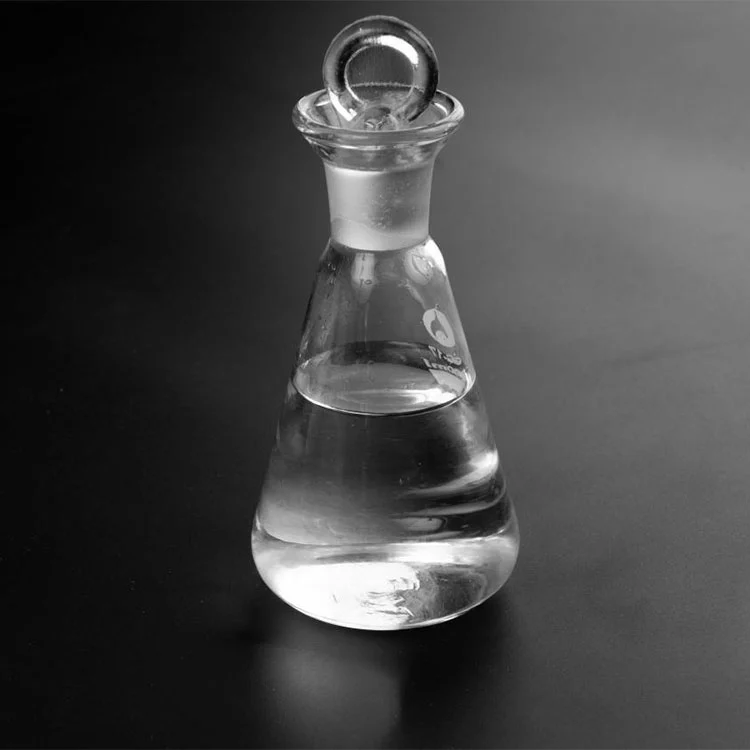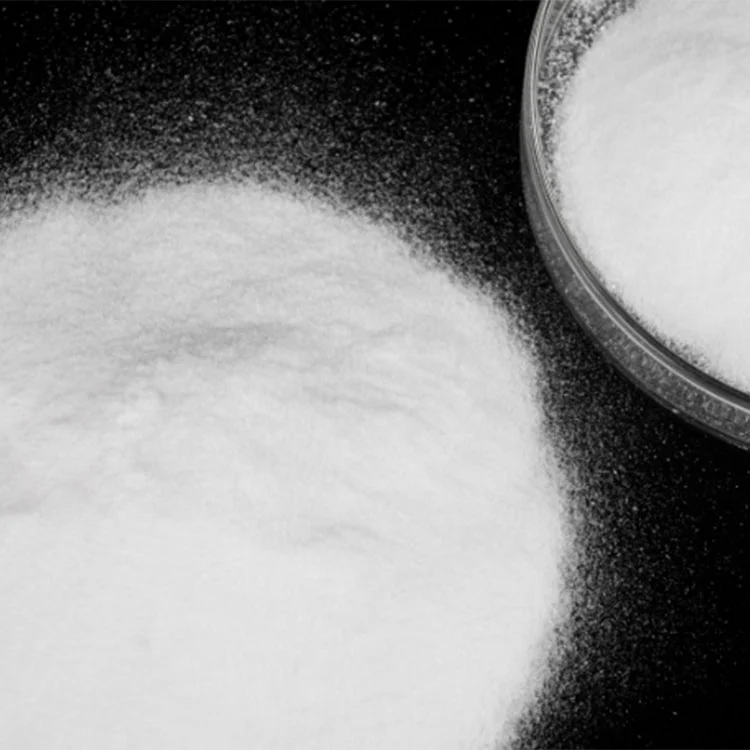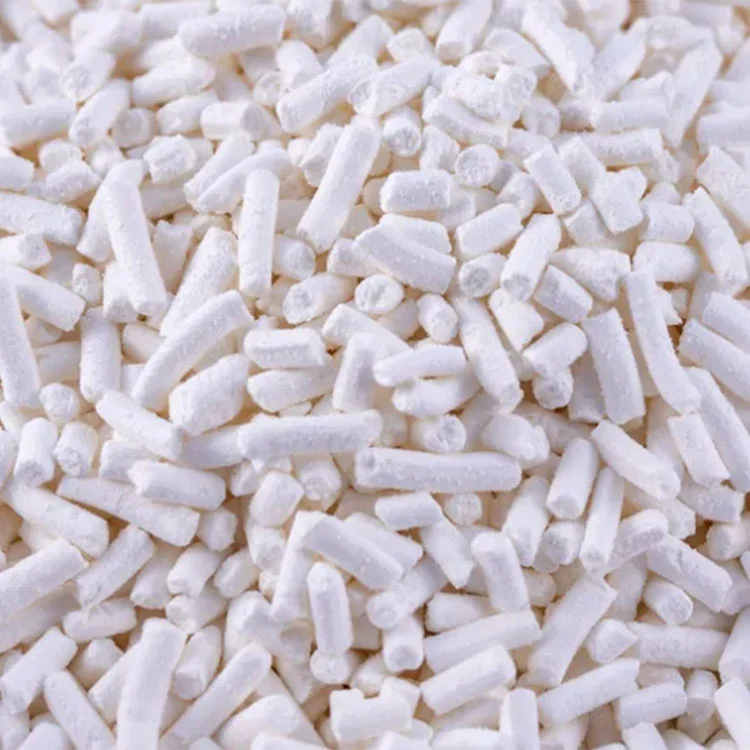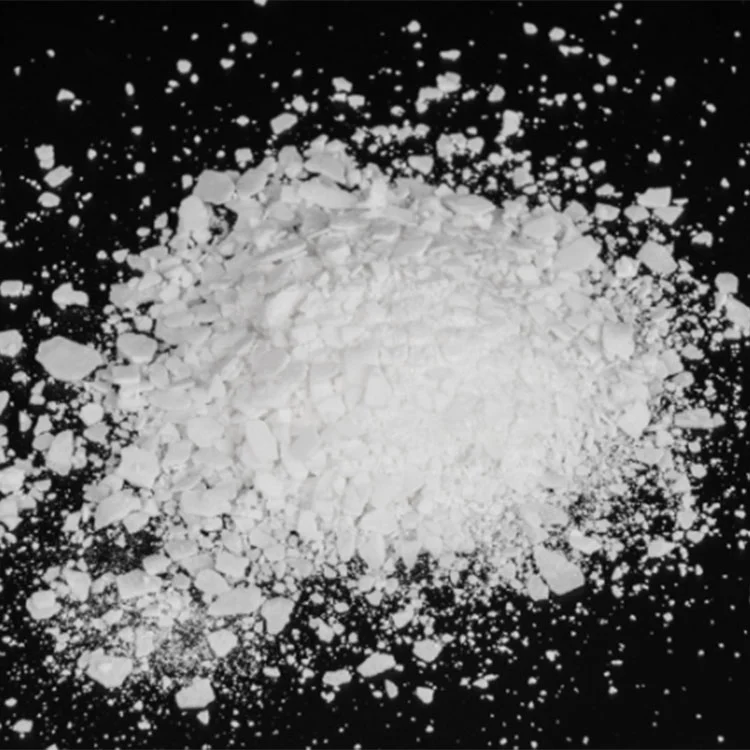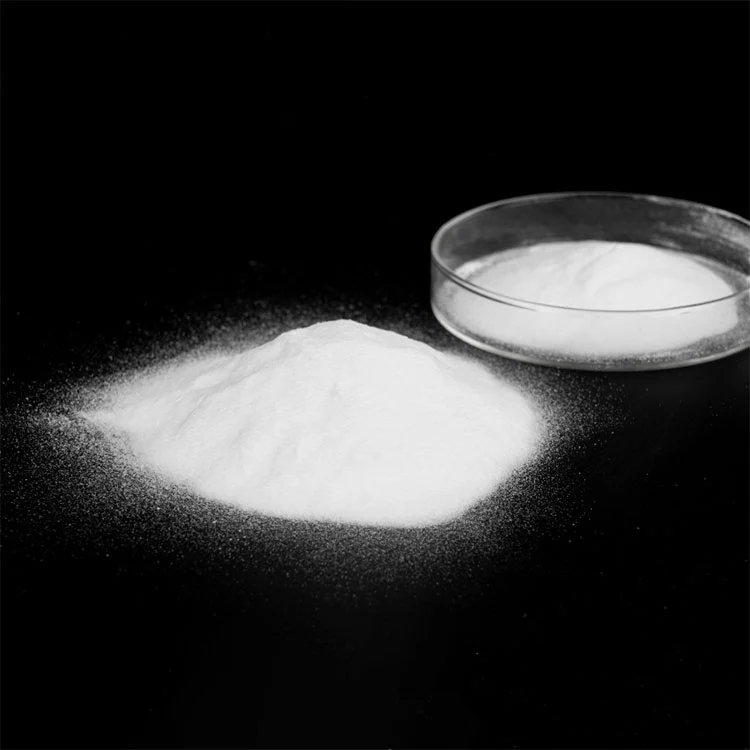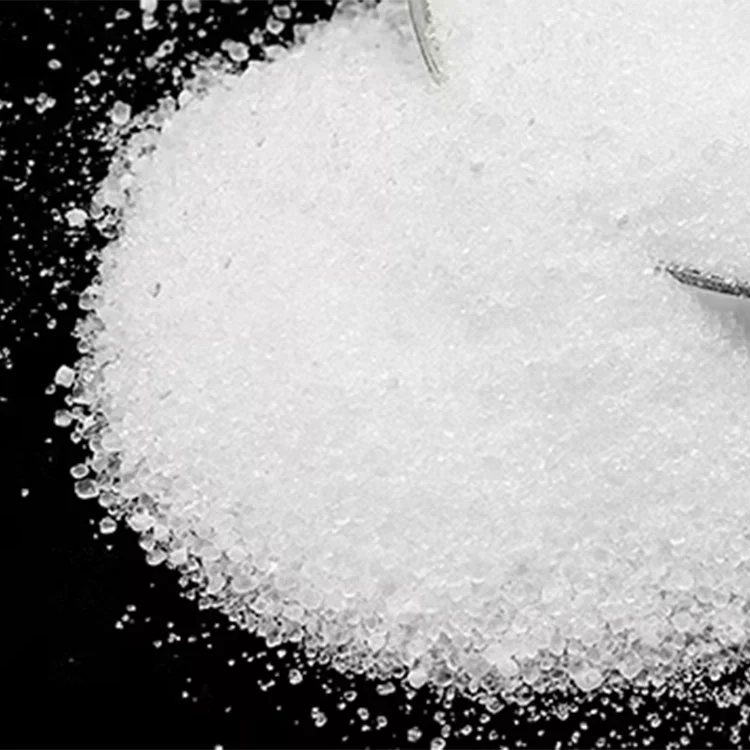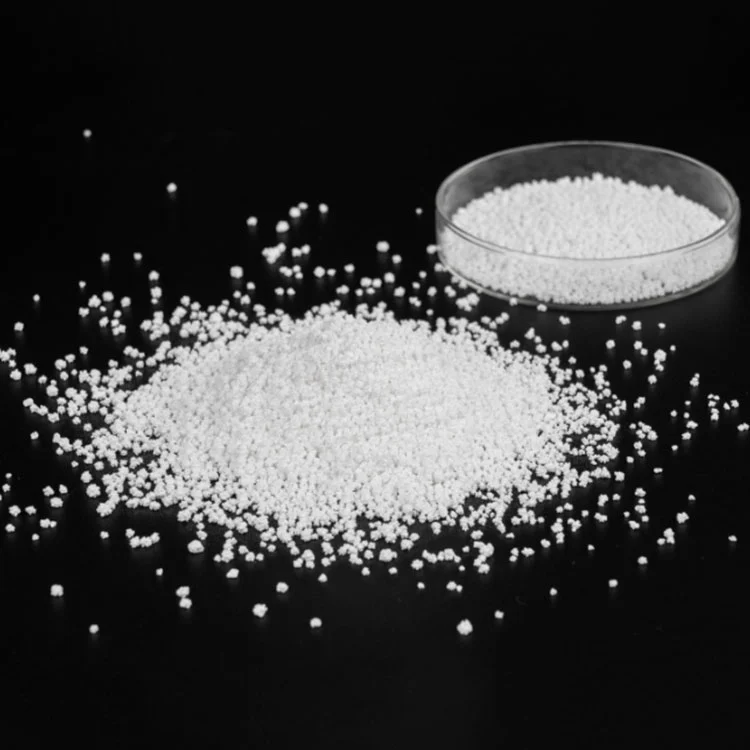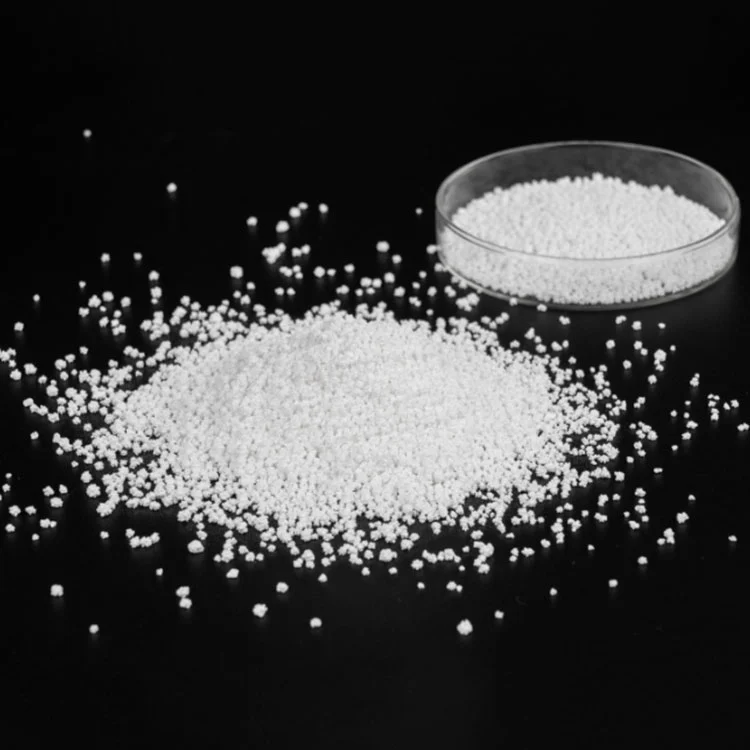


Store sodium thiosulfate pentahydrate sealed in a cool, dry, well-ventilated area, protected from water, direct sunlight and incompatible chemicals. Keep bags off the floor, inspect them for damage and moisture, rotate stock by lot, and reseal partial bags promptly. Do not assign a universal shelf life: use the supplier's package label, specification, SDS and batch documentation, then inspect or retest material that has exceeded the approved storage period.
Protect the package before fixing the product
Caking usually begins as a storage, packaging or handling problem. A dry receiving area, intact liner and disciplined partial-bag procedure do more than breaking lumps after they form.
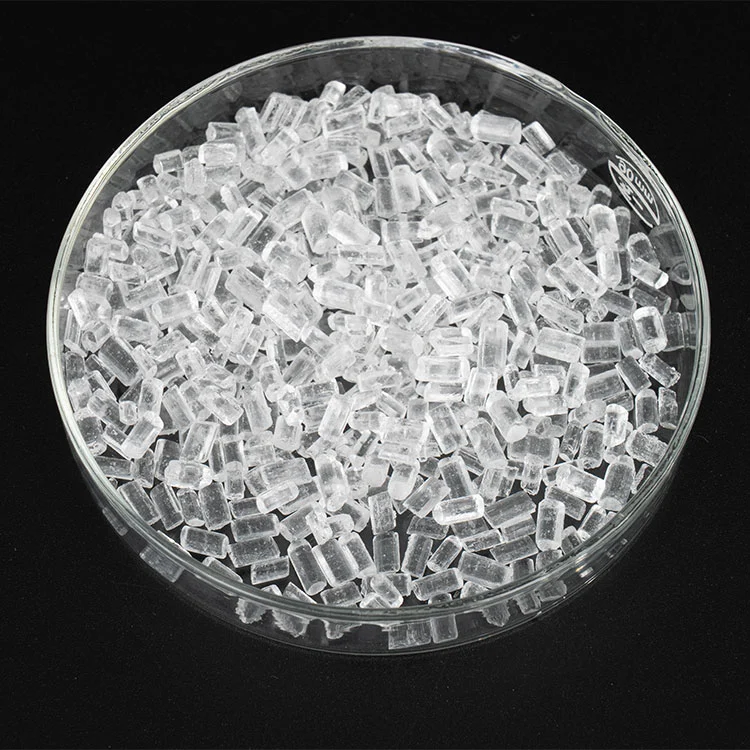
Four controls protect solid sodium thiosulfate
Sodium thiosulfate pentahydrate contains five water molecules in its crystal form and has a molecular weight of 248.19 g/mol.[1] Heat, humidity and damaged packaging can change the material's physical condition even when the problem is first noticed as poor flow rather than a chemical failure.
General chemical-storage guidance also supports closed containers, clear labels, protection from heat and direct sunlight, and segregation by compatibility rather than alphabetical order.[2] The SDS supplied for the exact purchased grade remains the controlling document.
Storage groups should reflect chemical compatibility. Review the current SDS for separation, spill response and fire conditions at the actual facility.
Inspect every delivery before warehouse release
Receiving inspection catches damage while the shipment condition can still be documented. Photograph the container or pallet before moving questionable material, record the lot, and isolate packages that show wetting, tearing, staining or loss of label information.
| Check | Acceptable observation | Hold for review when |
|---|---|---|
| Outer package | Dry, closed and legibly labeled | Torn, wet, punctured or missing identification |
| Inner liner | Sealed and contained inside the outer bag | Open, split or contaminated |
| Pallet condition | Stable, clean and dry | Collapsed, wet or visibly contaminated |
| Product appearance | Matches the approved specification and reference sample | Unexpected discoloration, foreign matter or severe agglomeration |
| Documents | Product name, lot and COA correspond to the shipment | Lot mismatch or missing required documentation |
A visual check does not replace analytical acceptance where the purchase specification requires testing. It tells the warehouse whether a package can enter normal inventory or should remain on quality hold.
Why sodium thiosulfate cakes and what to do
Caking can develop when moisture reaches the product, when warm and cool conditions create condensation, or when packages remain compressed for long periods. Fine material exposes more surface area and can show handling problems sooner, while larger screened granules generally create fewer fines during normal pouring. The sodium thiosulfate granule-size guide compares the physical forms.
A lump does not prove that the product is out of specification, and a free-flowing bag does not prove that every chemical limit passes. Review storage history, appearance and the applicable test plan before release.
- Isolate the affected package. Keep it out of production until the disposition is documented.
- Check the damage path. Look for a wet pallet, roof leak, torn liner, condensation or an open partial bag.
- Compare with unaffected material. Use the same lot or an approved reference where available.
- Review process risk. A dissolving tank may tolerate soft agglomerates differently from a dry screw, hopper or erosion feeder.
- Test when the specification requires it. Confirm assay and relevant impurities instead of judging chemical quality from hardness alone.
- Correct the warehouse cause. Repacking material without stopping moisture or pressure exposure only repeats the problem.
| Condition | Likely cause to investigate | Disposition question |
|---|---|---|
| Soft lumps break by light pressure | Compression or early moisture pickup | Will the approved feed system dissolve or pass the material reliably? |
| Hard block inside one bag | Package leak, wetting or prolonged pressure | Does the material need sampling and quality review before use? |
| Several bags on one pallet are wet | Transport exposure, floor moisture or warehouse leak | Should the pallet remain quarantined pending supplier and insurer review? |
| Powder or fines around closures | Damaged seam, rough handling or poor resealing | Is identity preserved and contamination excluded? |
| Feeder bridges despite dry product | Granule-size mismatch, fines, hopper geometry or vibration | Would a screened larger form fit the equipment better? |
Granule size changes warehouse and feeding behavior
V&S Chem publishes 1-3 mm, 3-5 mm and 5-8 mm sodium thiosulfate pentahydrate products. They share the pentahydrate chemistry, but the physical form changes surface area, dust generation, pouring and feeder behavior. Product selection should therefore include both the chemical specification and the intended handling system.
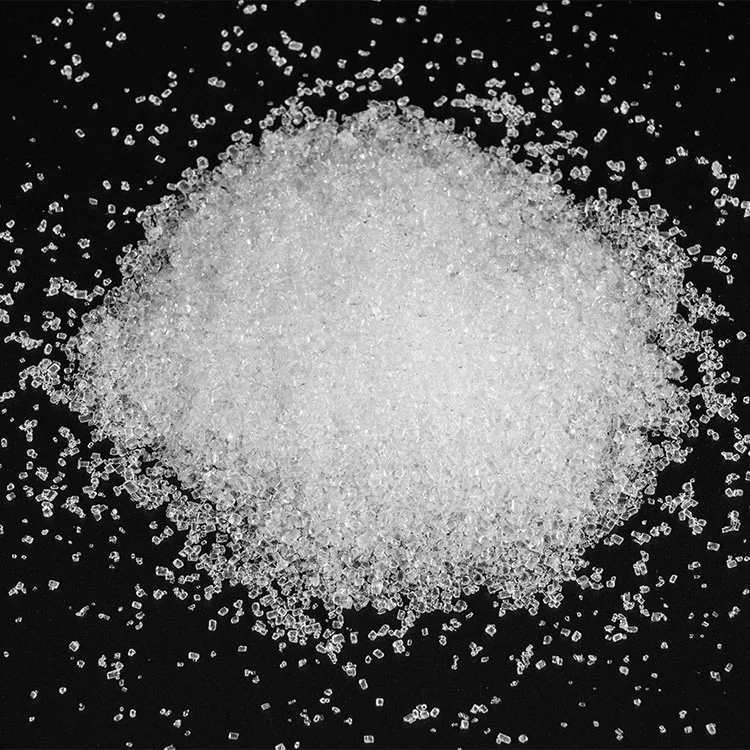

Control partial bags as carefully as full pallets
Once a liner is opened, the original package no longer provides the same barrier. Plan withdrawal quantities so the bag spends as little time open as practical, then close the liner and outer bag using the site's approved method.
- Use clean, dry scoops and transfer tools
- Keep the liner mouth away from wet surfaces
- Do not return unused material from process areas
- Mark the date opened
- Keep the original lot identification
- Record the remaining quantity
- Reseal before moving the bag
- Store partial bags in a designated location
- Use first-in, first-out or approved expiry control
- Inspect again before the next use
If material is transferred to a secondary container, the container must be clean, dry, compatible and properly labeled. Do not use an unmarked tote or drum merely because it has a tight lid.
Video: how an SDS supports storage decisions
Solid shelf life and solution hold time are different
A dry product storage policy should not be copied onto a prepared solution tank. Solution stability depends on concentration, water quality, temperature, contamination control, light exposure, tank condition and the intended analytical or process use.
One EPA pathogen-sampling protocol allows a specific sterile 1% w/v sodium thiosulfate solution to be prepared ahead and stored for up to seven days at room temperature or six months at 4°C.[3] Those limits belong to that protocol and preparation method. They are not a universal shelf-life claim for industrial dosing solutions.
For dechlorination service, document the recipe, preparation date, tank condition and accepted hold time. The sodium thiosulfate stock-solution guide explains concentration and batch preparation, while the dechlorination testing guide covers release verification.
Set a defensible shelf-life policy
A shelf-life statement should identify the product, package, storage conditions and evidence behind the period. If those conditions are not defined, the date is difficult to defend after a wet shipment, opened liner or uncontrolled warehouse exposure.
| Policy item | Required record |
|---|---|
| Product identity | Full name, hydrate form, grade and granule size |
| Package | Bag, liner, drum or other approved system |
| Starting point | Manufacture date, retest date or receipt date as defined by the supplier |
| Storage conditions | Supplier instructions plus facility controls and monitoring |
| Opened-package rule | Resealing, labeling, inspection and use priority |
| Expired or damaged material | Quarantine, sampling, testing, approval and disposal route |
Sodium thiosulfate storage questions
What is the shelf life of sodium thiosulfate pentahydrate?
There is no single defensible period for every supplier, package and warehouse. Use the product label, specification, SDS and supplier documentation. Material beyond the approved period should be held for review or retesting rather than automatically accepted.
Can caked sodium thiosulfate still be used?
Caking alone does not prove the assay has failed. Isolate the package, investigate moisture and damage, then decide whether the product and feed equipment require testing or a different disposition.
Should bags be stored directly on the warehouse floor?
No. Keep packages on clean, dry pallets or approved racking, protected from floor moisture and physical damage.
Can sodium thiosulfate be stored beside acids?
Do not assume it can. Segregate chemicals according to the current SDS and the facility's compatibility plan, not alphabetically or only by package type.
Does a larger granule prevent all caking?
No. Larger granules can reduce fines and improve flow, but moisture, damaged packaging and prolonged pressure can still cause agglomeration.
Request the right sodium thiosulfate form and documents
Send V&S Chem your grade, granule size, packaging, quantity, destination and intended feed method. Ask for the current specification, representative COA, SDS and storage information for the quoted product.
Send your enquiry