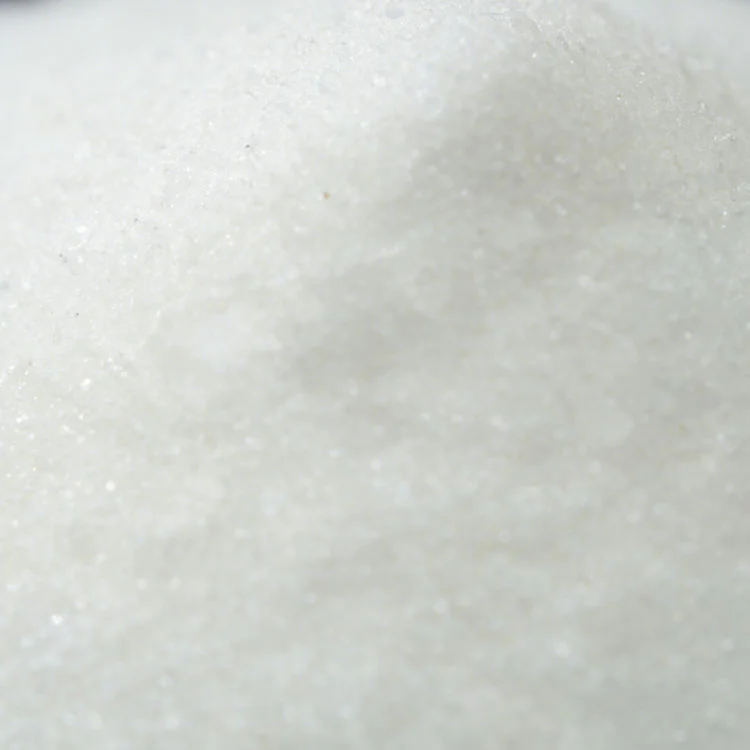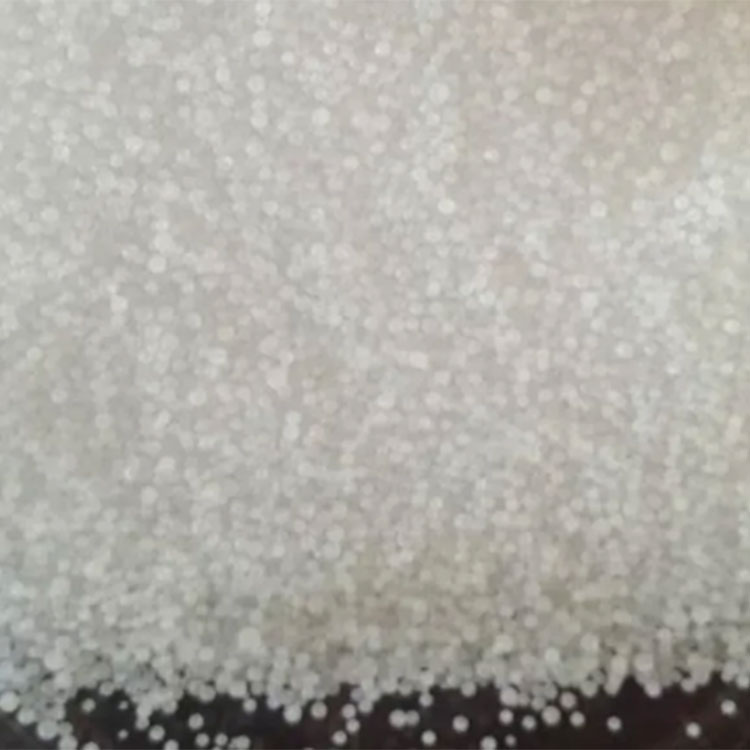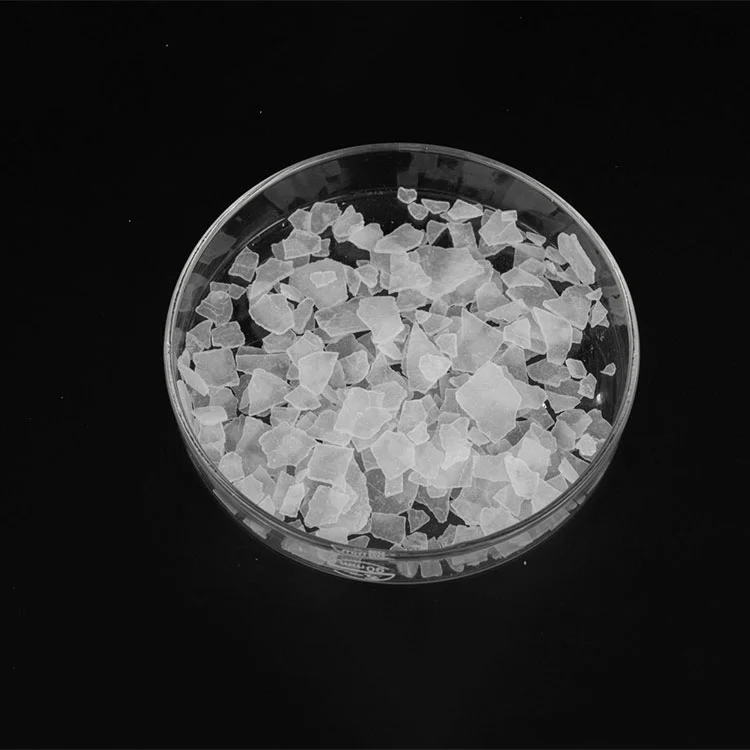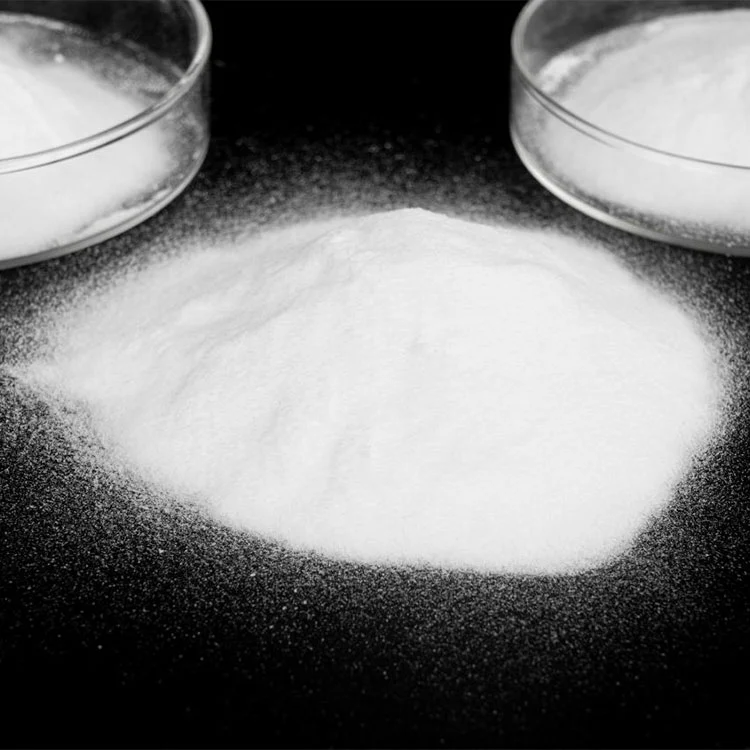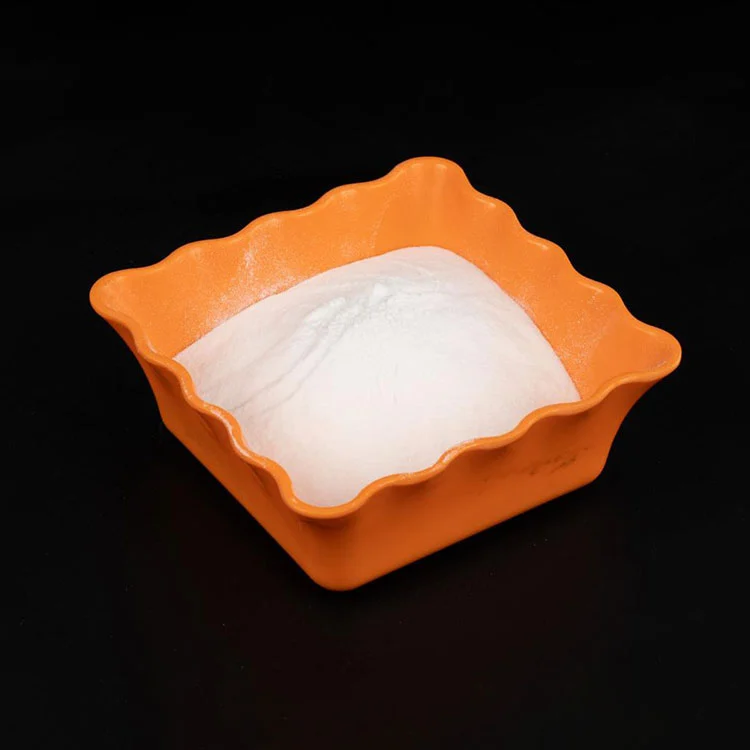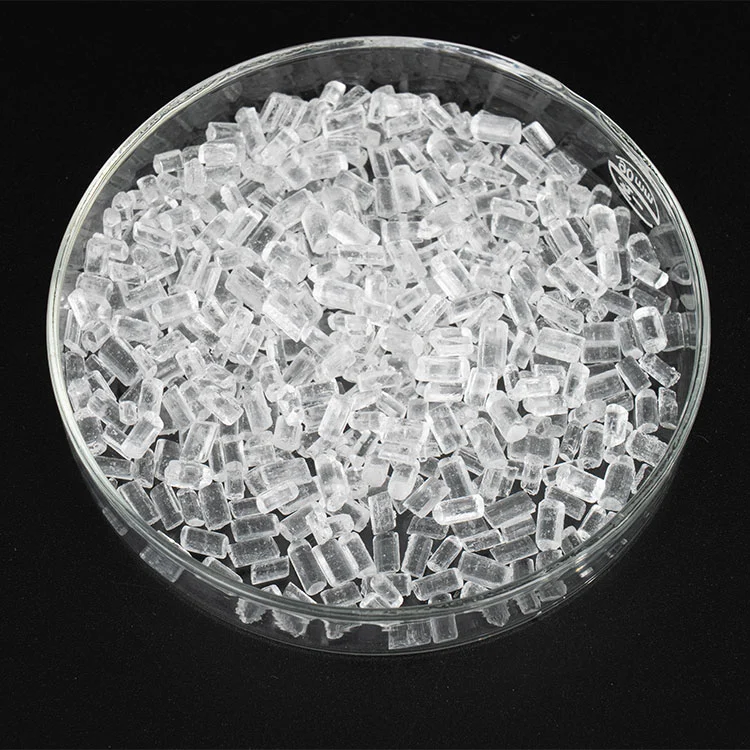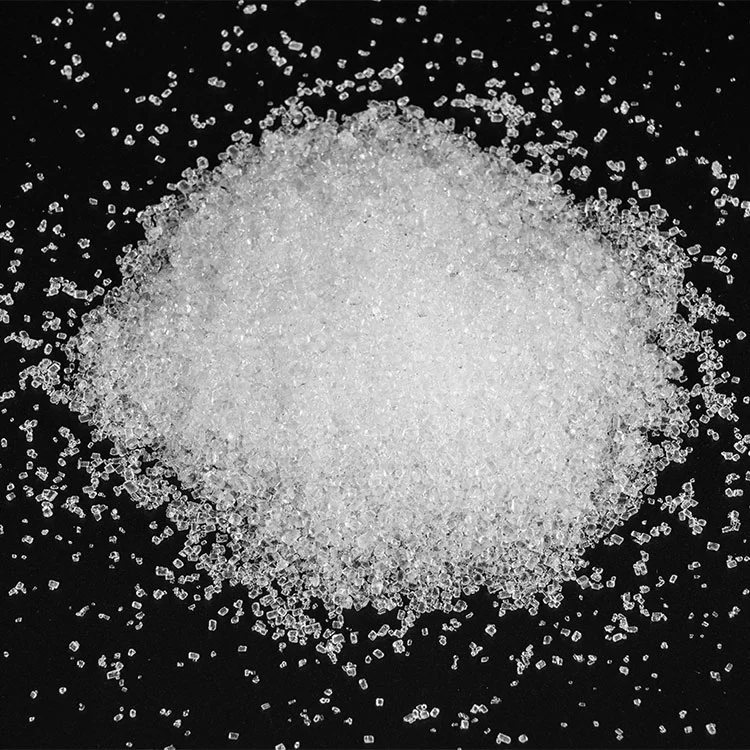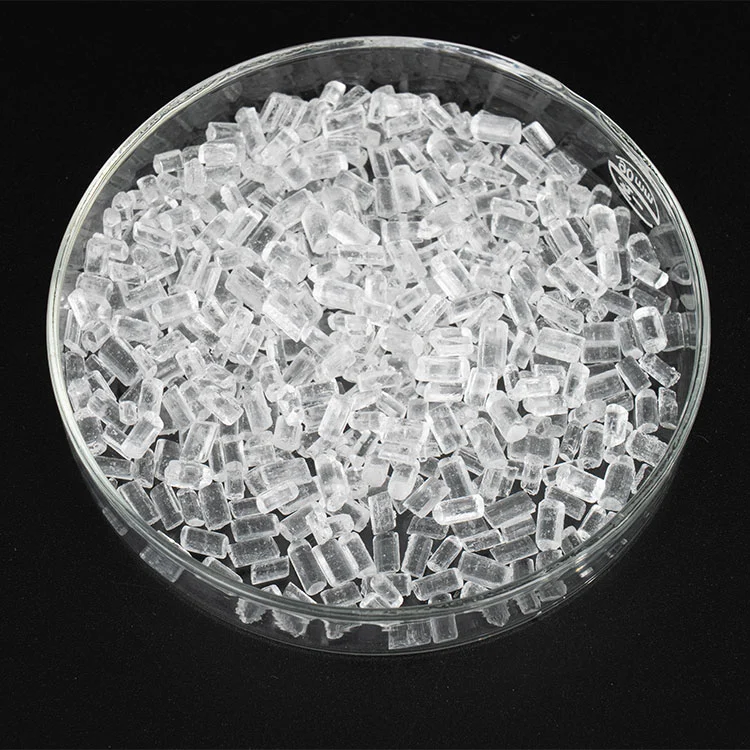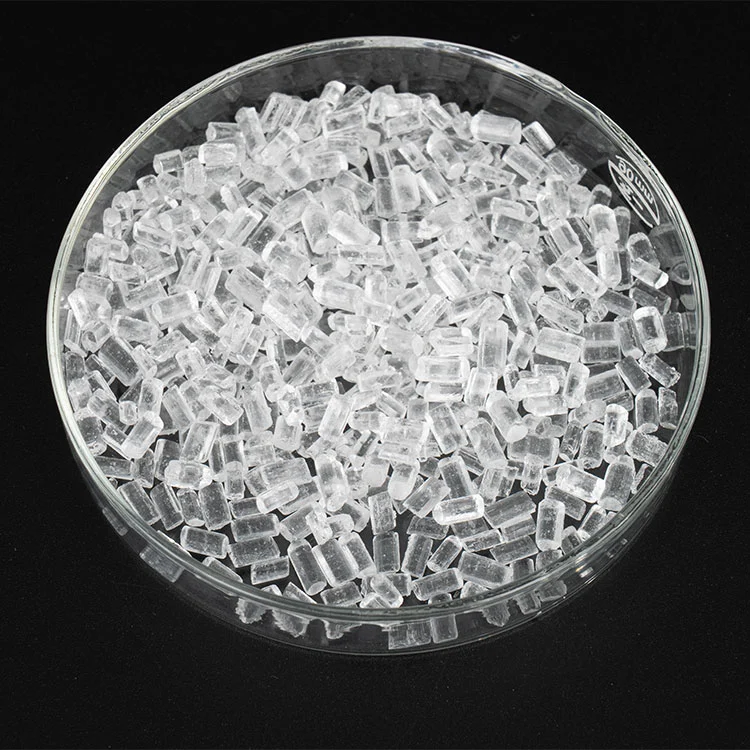


Quick answer. The two forms are the same salt at different water contents. Anhydrous calcium chloride (CaCl₂, 94% min) carries no water of crystallization, so it is more concentrated, absorbs moisture more aggressively, and releases more heat when it dissolves — the choice for oil drilling, desiccants, refrigeration brine, and fast, cold-weather de-icing. Dihydrate calcium chloride (CaCl₂·2H₂O, 74–77%) holds bound water, which makes it more stable and cheaper per kilo — the practical choice for routine de-icing, dust control, water treatment, and high-volume, cost-sensitive work.
Anhydrous vs Dihydrate: At a Glance
In short: same chemical, different water content. The table shows how that one difference changes concentration, behavior, and cost.
| Property | Anhydrous | Dihydrate |
|---|---|---|
| Formula | CaCl₂ | CaCl₂·2H₂O |
| CAS No. | 10043-52-4 | 10035-04-8 |
| CaCl₂ content | 94% min | 74–77% |
| Water of crystallization | None | ~25% (2 H₂O) |
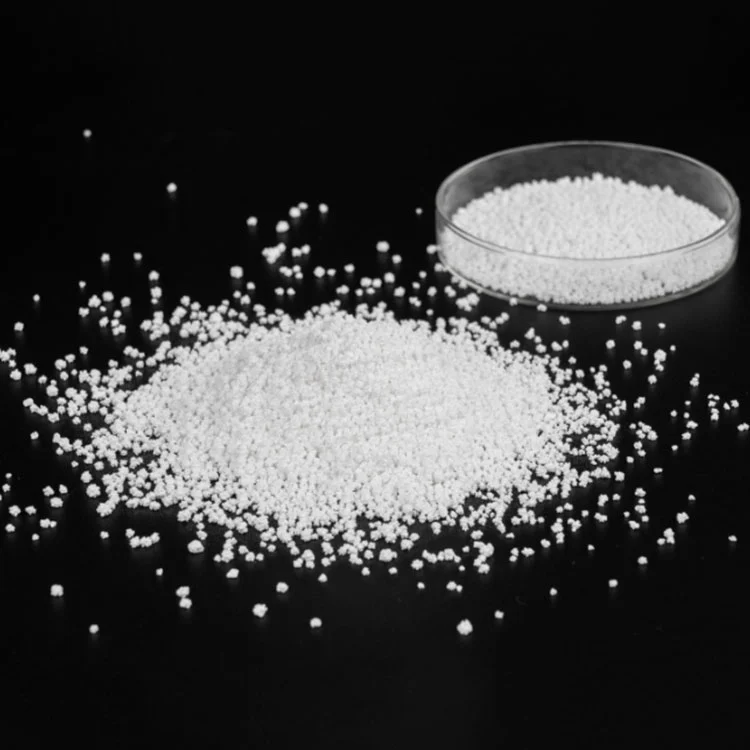
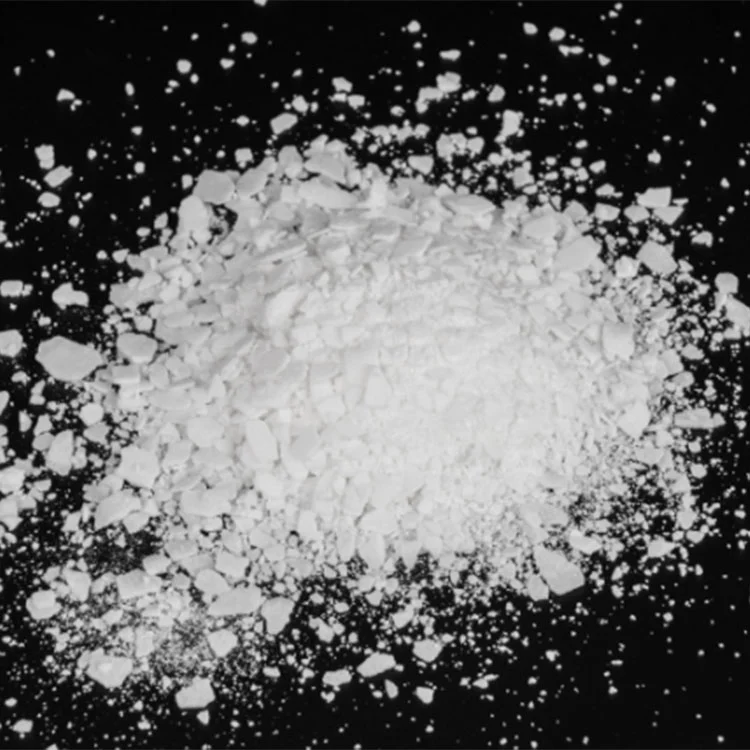
| Appearance | White powder / pellet | White flake / powder / pellet |
| Moisture absorption | Very high | Moderate |
| Heat when dissolving | High (strongly exothermic) | Low |
| Relative cost per kg | Higher | Lower |
| Best for | Drilling, desiccant, cold-weather de-icing, brine | Routine de-icing, dust control, water treatment |
What Is the Difference Between Anhydrous and Dihydrate Calcium Chloride?
In short: anhydrous contains no water of crystallization; dihydrate carries two water molecules per unit, which is about a quarter of its weight. Everything else follows from that.
Both products are calcium chloride. The difference is water of crystallization — water locked into the crystal structure. Anhydrous (CaCl₂) has none. Dihydrate (CaCl₂·2H₂O) carries two water molecules, which is roughly 25% of its mass.
That single fact drives every practical difference. Because a quarter of the dihydrate is bound water, its calcium chloride content is lower (74–77% versus 94%+ for anhydrous). So per kilogram, anhydrous delivers more active calcium chloride, absorbs moisture harder, and releases more heat when it hits water.
Neither is "better" in the abstract — they are two tools for different jobs, which is what the next sections sort out.
Concentration, Heat and Hygroscopicity: Why It Matters in Use
In short: anhydrous wins where you need high concentration, strong drying, or fast heat — dihydrate is enough where cost and stability matter more.
Three properties separate the two forms in real use:
- Concentration. At 94%+ CaCl₂, anhydrous packs more active salt per kilo. That matters for oil-drilling brines and any process where you want maximum calcium chloride in minimum weight.
- Heat of dissolution. Anhydrous releases significant heat as it dissolves. For de-icing, that heat helps melt snow and ice faster and at lower temperatures — an advantage in cold climates. Dihydrate releases far less heat.
- Hygroscopicity. Anhydrous is a stronger desiccant; it pulls moisture from air and gases aggressively, which is exactly what you want in drying and dehumidification. The flip side is that it is deliquescent and must be kept sealed and dry, or it can cake or turn to brine.
Dihydrate, already carrying its water, is less aggressive on all three counts — but that also makes it more stable to store and cheaper to buy, which is often the deciding factor for high-volume outdoor work.
How to Choose the Right Form for Your Application
In short: start from the job. The table maps common applications to the form that usually fits best.
| Application | Usual choice | Why |
|---|---|---|
| Oil & gas drilling fluids / brine weighting | Anhydrous | High concentration, dense brine, low water load |
| Industrial desiccant / gas drying / dehumidification | Anhydrous | Strongest moisture absorption |
| Fast or cold-climate de-icing | Anhydrous | More heat released, works at lower temperatures |
| Refrigeration / brine cooling | Anhydrous | High-concentration brine, stable performance |
| Routine road de-icing (high volume) | Dihydrate | Adequate performance at lower cost |
| Dust control / dust suppression | Dihydrate | Cost-effective, holds moisture on surfaces |
| Water treatment / livestock / soil conditioning | Dihydrate | Cost-effective calcium source |
| Concrete acceleration | Either | Both work; anhydrous common for higher strength |
When both forms can do the job — concrete acceleration or de-icing in mild conditions, for example — the decision usually comes down to cost per active unit and freight, which is worth a closer look.
Cost and Freight: Reading Past the Price per Kilo
In short: dihydrate looks cheaper per kilo, but part of that kilo is water. Compare cost per unit of active CaCl₂ and factor in shipping weight, especially for export.
Dihydrate is cheaper per kilogram, and for many jobs that is the right call. But a fair comparison looks at cost per unit of active calcium chloride, not per kilo — because roughly a quarter of the dihydrate is water you are also paying to buy and ship.
For long-distance export, this matters twice. Anhydrous carries almost no dead water weight, so a container delivers more active product, which can offset its higher unit price on a delivered-cost basis. Dihydrate carries about 25% water weight per container.
Grades and Specifications Compared
In short: here are our actual specifications for both forms, so you can match impurity limits to your process — not just the headline purity.
Calcium chloride 94% anhydrous
| CAS No. | 10043-52-4 |
|---|---|
| Formula / MW | CaCl₂ / 110.98 |
| Purity (as CaCl₂) | 94% min |
| Total alkali chloride (as NaCl) | 5.0% max |
| Water-insoluble substance | 0.25% max |
| Ca(OH)₂ | 0.25% max |
| pH | 7–11 |
| Appearance | White powder or pellet |
Calcium chloride dihydrate (74% and 77%)
| Item | 74% grade | 77% grade |
|---|---|---|
| CaCl₂ | ≥ 74.0% | ≥ 77.0% |
| Alkalinity (as Ca(OH)₂) | ≤ 0.20% | ≤ 0.20% |
| Alkali metal chloride (as NaCl) | ≤ 5.0% | ≤ 5.0% |
| Water-insoluble matter | ≤ 0.15% | ≤ 0.15% |
| Iron (Fe) | ≤ 0.006% | ≤ 0.006% |
| Magnesium (MgCl₂) | ≤ 0.5% | ≤ 0.5% |
| Sulfate (as CaSO₄) | ≤ 0.05% | ≤ 0.05% |
| pH | 7.5–11.0 | 7.5–11.0 |
| CAS / formula | 10035-04-8 / CaCl₂·2H₂O | |
See the full product pages for calcium chloride 94% anhydrous and industrial grade calcium chloride dihydrate. We ship a Certificate of Analysis with every lot so your grade choice rests on real figures.
Sourcing Both Forms from V&S
In short: V&S manufactures both anhydrous and dihydrate, so you can match form to job and consolidate sourcing with one supplier.
Because the right form depends on the job, it helps to buy from a producer that makes both. As a China-based manufacturer of industrial chemicals with over 25 years of export experience, V&S supplies calcium chloride in anhydrous (94%) and dihydrate (74% / 77%) forms to buyers across North America, Europe, Asia, and beyond.
Every order ships with a Certificate of Analysis, MSDS, and TDS per batch, plus third-party reports from SGS, BV, or Intertek on request. Packaging runs from 25 kg woven bags to 1,000 kg jumbo bags, with flexible MOQ and free samples so you can test the form before you commit.
Not sure which form fits your process?
Tell us your application, climate, and volume — we'll recommend anhydrous or dihydrate, quote a price, and include a Certificate of Analysis. Free samples available.
Request a Quote →Frequently Asked Questions
What is the main difference between anhydrous and dihydrate calcium chloride?
Anhydrous calcium chloride (CaCl₂) contains no water of crystallization, while dihydrate (CaCl₂·2H₂O) carries two water molecules — about 25% of its weight. As a result, anhydrous is more concentrated (94%+ versus 74–77%), absorbs moisture more strongly, and releases more heat when it dissolves.
Which calcium chloride is better for de-icing?
Anhydrous is better for fast melting and very cold conditions because it releases more heat and works at lower temperatures. Dihydrate is usually chosen for routine, high-volume de-icing where cost matters more than peak performance.
Which form should I use as a desiccant?
Use anhydrous. Its strong hygroscopicity makes it the better drying agent for gases and dehumidification. Keep it sealed and dry, because it is deliquescent and can absorb enough moisture to turn to brine.
Is dihydrate cheaper than anhydrous?
Dihydrate is cheaper per kilogram, but roughly a quarter of that weight is water. For a fair comparison, look at cost per unit of active calcium chloride and factor in shipping weight — especially for long export routes, where anhydrous carries less dead water weight.
Can V&S supply both forms with documentation?
Yes. V&S manufactures calcium chloride in anhydrous (94%) and dihydrate (74% / 77%) forms, each with a Certificate of Analysis, MSDS, and TDS per batch, and third-party reports from SGS, BV, or Intertek on request.