

For aquaculture dechlorination, treat incoming or make-up water before it reaches fish. Measure the chlorine species, calculate sodium thiosulfate for the supplied hydrate form and assay, mix completely, allow the validated contact time, then test the treated water against the facility's operating limit. When chloramine may be present, a free-chlorine result alone is not enough; total chlorine also needs attention.
Condition the water, not the livestock tank
A separate make-up tank gives the operator time to measure, dose, mix and verify. It also prevents concentrated chemical or untreated chlorinated water from reaching animals during the adjustment.
Use a five-stage aquaculture dechlorination plan
Municipal supply conditions can change, and the measured residual at the facility may differ from the value reported by the water supplier. The operating recipe should therefore begin with an on-site result, not a fixed spoon-per-tank rule.
Total chlorine includes free and combined residual. If the source uses chloramine, testing only free chlorine can create a false sense that treatment is complete.
Choose a dose basis before calculating the batch
An EPA biological evaluation for Washington aquaculture facilities describes a tetrathionate reaction and gives a stoichiometric ratio of 6.99 mg sodium thiosulfate pentahydrate per 1 mg residual chlorine.[1] That figure is tied to the reaction and document context. It should not be treated as a universal field setting for every water source.
Actual operation also has to account for the measured chlorine species, mixing, contact time, product assay and the facility's acceptable residual. Use the sodium thiosulfate dose guide to compare calculation bases and correct commercial-product mass for assay.
Sodium thiosulfate pentahydrate and anhydrous sodium thiosulfate have different molecular weights. Confirm the exact form on the product label, specification and COA before using any mass ratio.
| Input | Why it matters | What to record |
|---|---|---|
| Water volume or flow | Converts a concentration target into batch mass or feed rate. | Tank working volume or verified flow per hour |
| Free and total chlorine | Shows whether free chlorine, combined chlorine or both need treatment. | Result, method, sample point and time |
| Chemical form | Pentahydrate and anhydrous products are not equal by bag weight. | Full product name and formula |
| Assay | Commercial product mass must be corrected to the delivered concentration. | Batch COA value |
| Acceptance criterion | Determines whether treated water can be released. | Facility SOP, permit or responsible specialist's limit |
Test before dosing and before release
Test the untreated source at the treatment point, then test a representative sample after mixing and the documented contact period. Chlorine residual samples should be analyzed promptly because the result can change after collection. The selected method also needs a range low enough to verify the facility's release criterion.
When chloramine is present, include total chlorine in the release check. The EPA aquaculture evaluation also shows ammonia among the products of a monochloramine and sodium thiosulfate reaction.[1] Facilities where ammonia is critical should include it in the monitoring plan rather than assuming dechlorination resolves every water-quality concern.
- Collect a representative source-water sample. Avoid a stagnant branch or a location upstream of the actual dosing point.
- Run the required chlorine tests immediately. Record free chlorine, total chlorine, method and test range.
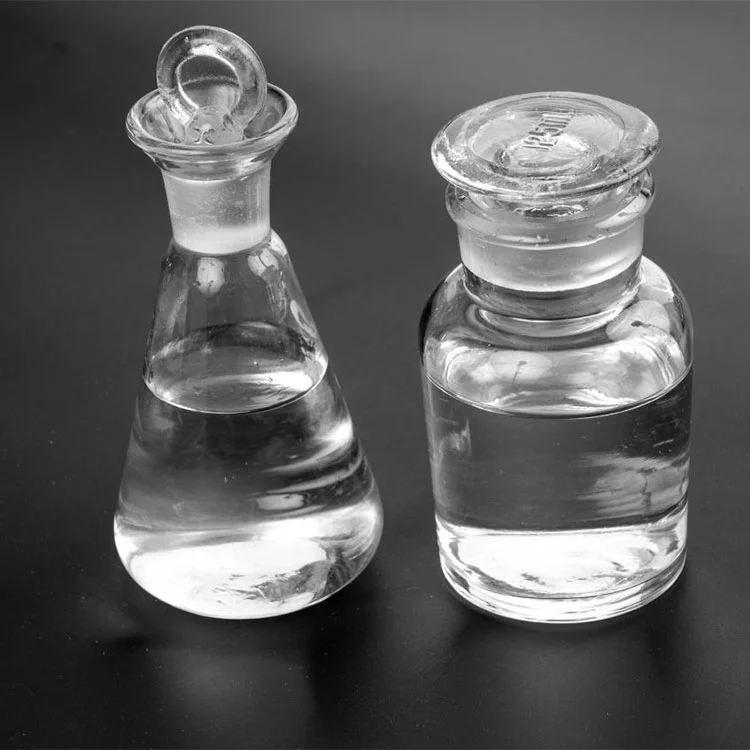
- Prepare or verify the thiosulfate solution. Use the delivered assay and a clearly labeled tank.
- Add under controlled mixing. Prevent concentrated solution from entering the culture tank.
- Wait the validated contact period. Do not release water simply because the chemical has been added.
- Retest at the transfer point. Release only when the documented criteria are met.
Product form affects handling, not the testing requirement
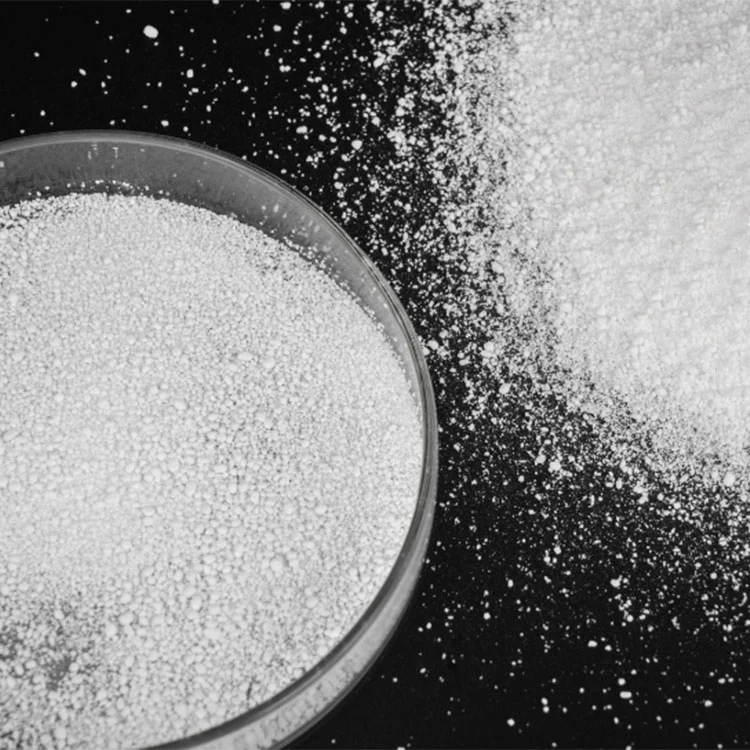
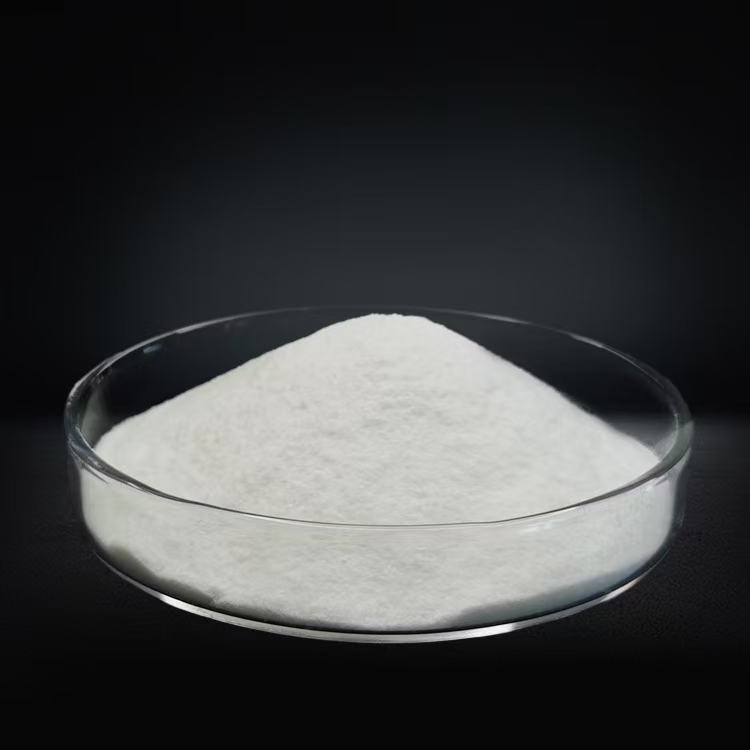
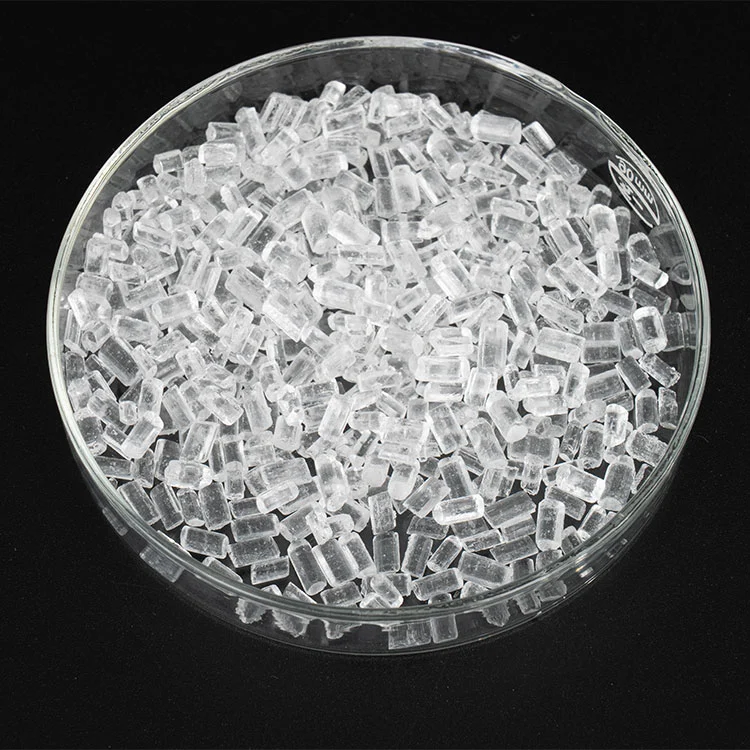
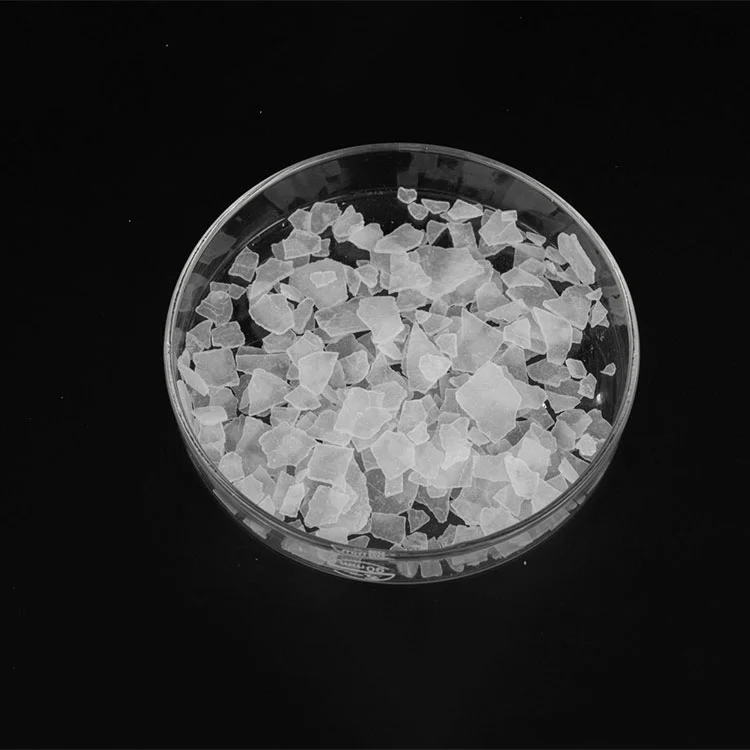
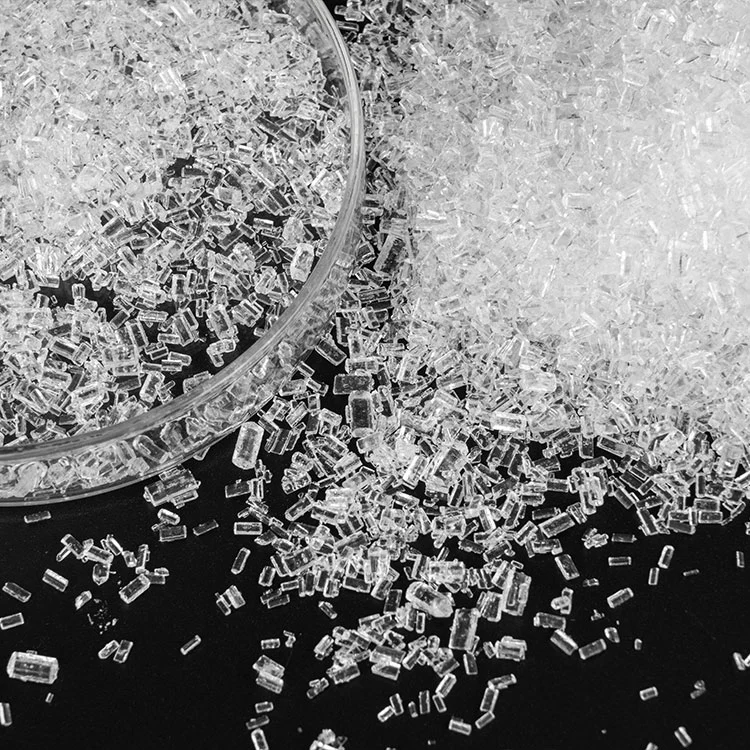
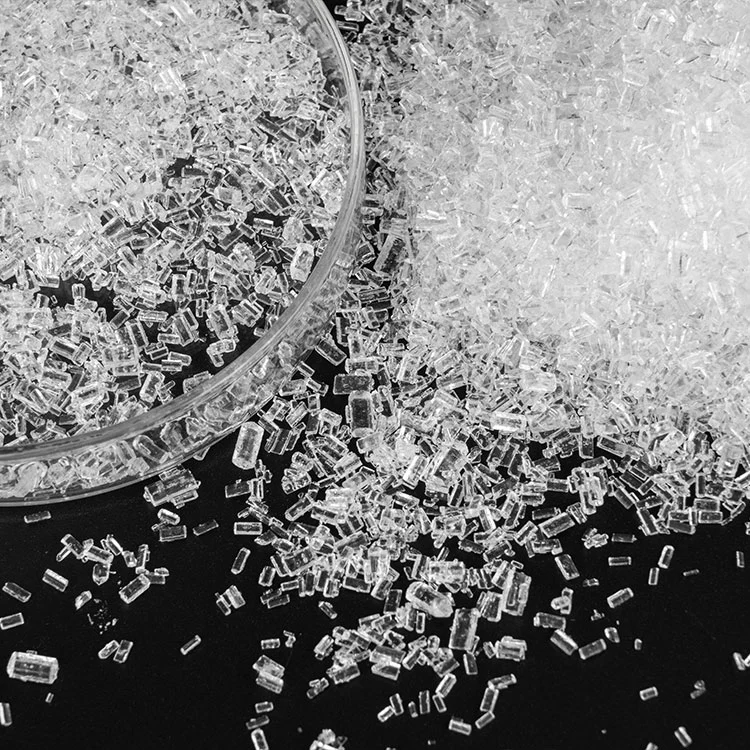
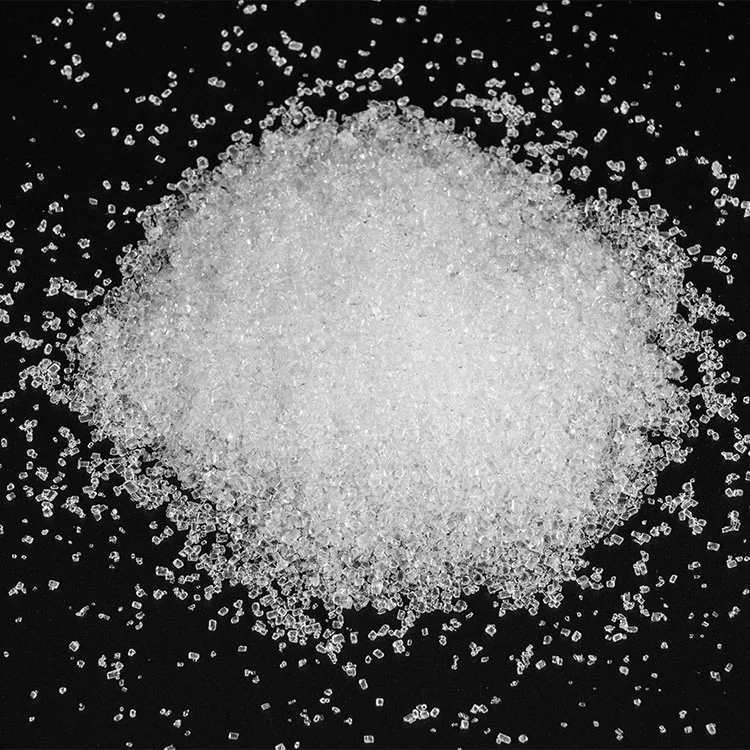
V&S Chem publishes 1-3 mm, 3-5 mm and 5-8 mm sodium thiosulfate pentahydrate forms. Smaller granules can suit rapid batch make-up, while larger granules can suit lower-dust handling or steady dissolution. The right choice depends on the actual feeder and mixing system; every size still needs controlled dosing and residual verification.
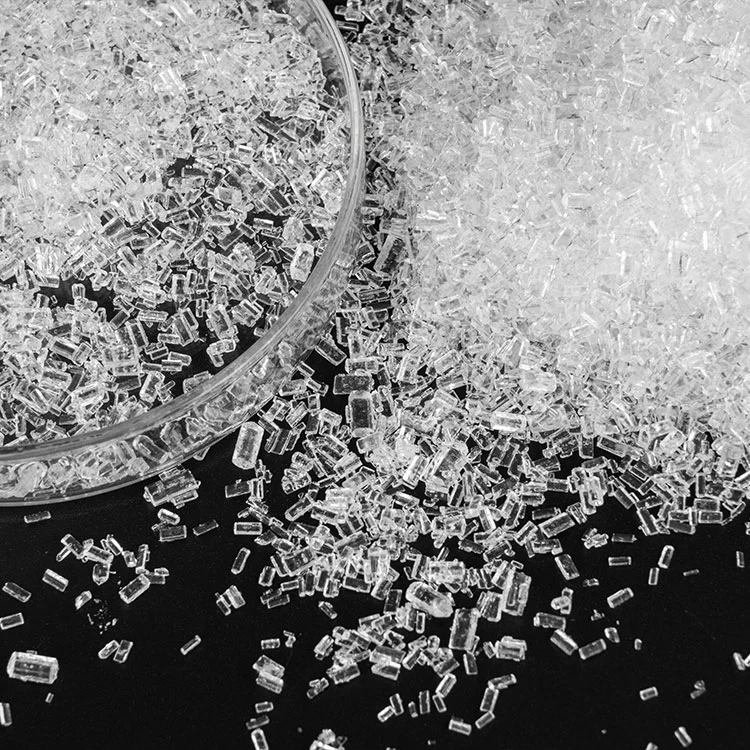
The granule-size comparison explains the physical trade-offs. For a repeatable liquid-feed recipe, use the stock-solution preparation guide.
Video: chlorine and chloramine compliance context
Build checks around routine operation
| Observed problem | Likely checks | Corrective action |
|---|---|---|
| Total chlorine remains detectable | Source residual changed, chloramine present, dose factor too low, incomplete mixing or short contact time | Hold the batch, retest the source, verify the calculation and repeat treatment under the approved SOP |
| Results vary across the tank | Poor circulation, short mixing time or unrepresentative sample points | Improve mixing and sample more than one location during validation |
| Frequent overfeed | Fixed dose despite changing source water, inaccurate tank volume or uncalibrated pump | Base adjustments on measurements and verify equipment delivery |
| Undissolved solids remain | Weak agitation, cold water, excessive batch size or unsuitable charging practice | Review the make-up procedure and granule size before transferring solution |
| Ammonia rises after treatment | Chloramine reaction or another source in the system | Confirm the source disinfectant and add ammonia monitoring where biologically relevant |
- Protect the product from moisture
- Keep acids and oxidizers separated
- Label solid and solution storage
- Use the current SDS and site PPE rules
- Calibrate dosing pumps
- Verify tank working volume
- Record source-water changes
- Keep treatment and culture tanks separate
- Document the release decision
- Review the SOP after process changes
What an aquaculture RFQ should specify
State sodium thiosulfate pentahydrate or anhydrous material in full. Include the required assay, granule size, packaging, quantity, destination and documentation. For dosing support, also provide the source disinfectant, measured free and total chlorine range, batch volume or flow and the type of make-up system.
Do not rely on the words “aquaculture grade” alone. Ask for a current specification, representative COA and SDS, then confirm whether the listed limits match the facility's own water-quality and procurement requirements.
Aquaculture dechlorination questions
Can sodium thiosulfate remove chloramine from aquaculture water?
Sodium thiosulfate can react with monochloramine, but the operating result depends on water chemistry, dose, mixing and contact time. Test total chlorine after treatment and consider ammonia where it matters to the culture system.
Should sodium thiosulfate be added directly to a fish tank?
A separate make-up or treatment tank offers better control. It lets the operator dose, mix and verify the water before animals are exposed.
Is 6.99 mg/L always the correct dose for 1 mg/L chlorine?
No. The 6.99:1 pentahydrate ratio comes from a specific EPA aquaculture reaction basis. Select the method that governs the operation, correct for assay and verify the treated-water residual.
Which granule size is suitable for aquaculture?
Small and medium granules can suit quick batch preparation, while larger granules can reduce dust in steady-dissolution systems. Match the size to the feeder, mixer and required preparation time.
Why test total chlorine after treatment?
Total chlorine captures free and combined residual. A free-chlorine-only test can miss chloramine or other combined chlorine remaining in the water.
Request sodium thiosulfate for your water-treatment system
Send V&S Chem your product form, assay, granule size, packaging, monthly quantity and destination. Add your treatment volume, chlorine range and dosing method if you want the enquiry matched to the most relevant product specification.
Send your enquiry