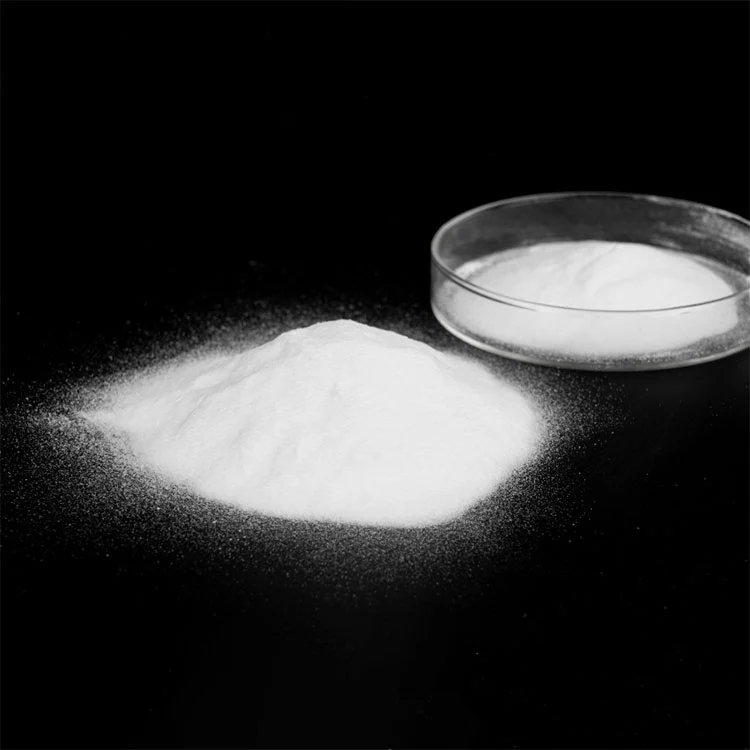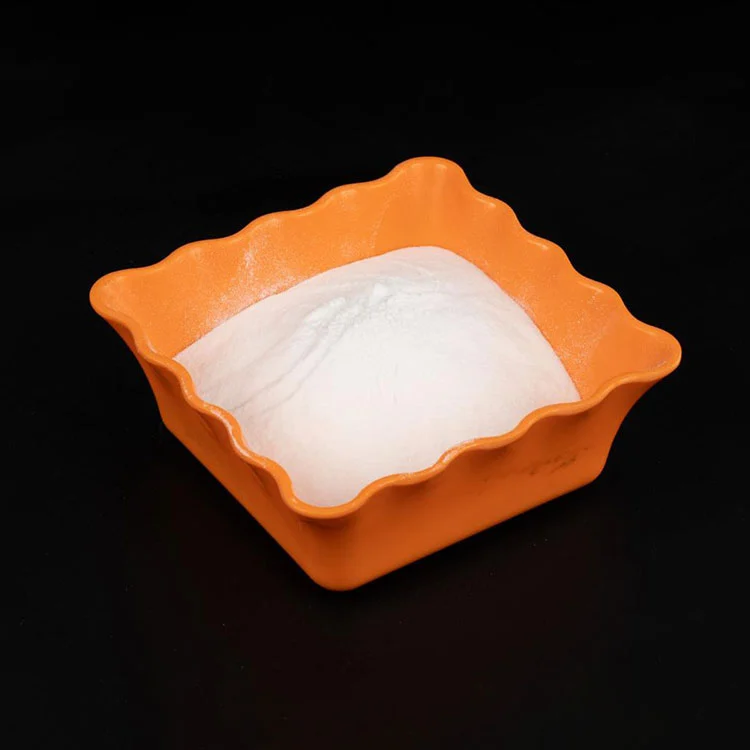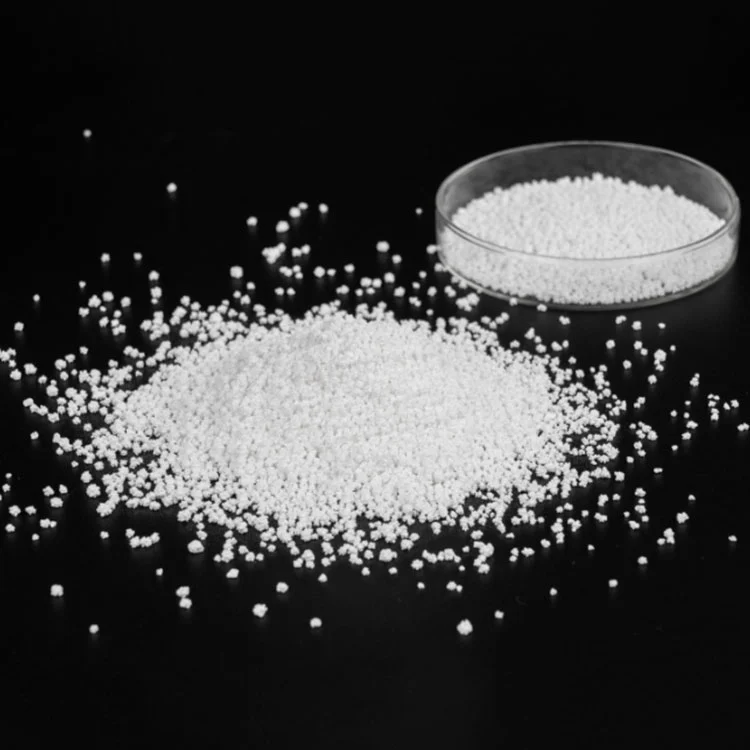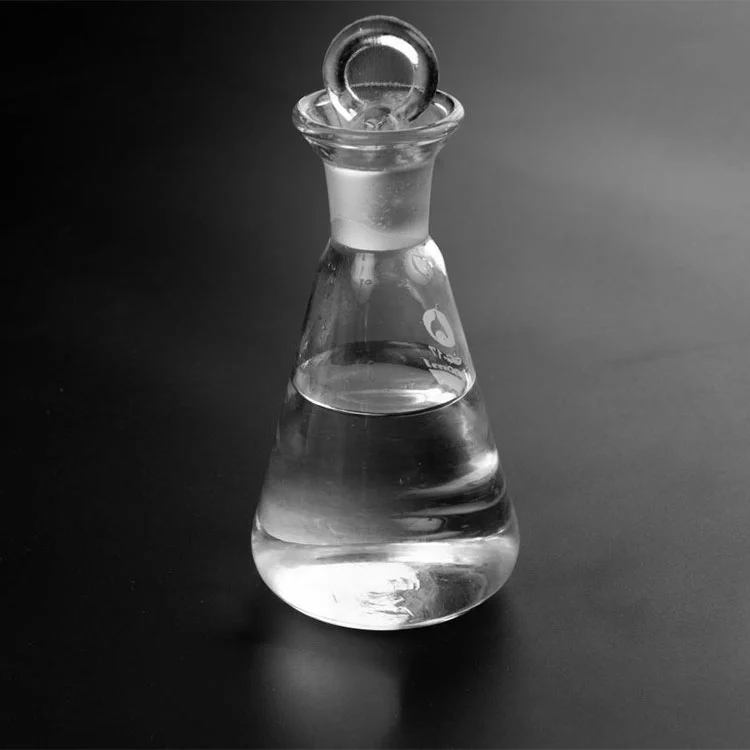


To prepare sodium thiosulfate pentahydrate stock solution, define the final concentration in g/L, multiply by the final solution volume, and correct for the batch assay. Add water to the tank first, dissolve the weighed product under agitation, then top up to the final volume. Do not treat 10% w/v as the same as 10% w/w.
Use the delivered COA assay and confirm that the recipe is written for sodium thiosulfate pentahydrate.

Define the concentration correctly
A stock concentration in g/L is the clearest basis for a dosing pump because it converts directly from product demand in g/h to solution flow in L/h. A 100 g/L solution contains 100 g of commercial product in each litre of final solution unless the procedure states an active-chemical basis.
It means 10 g of product per 100 mL of final solution. Weight/weight concentration needs solution mass and density, so it cannot be substituted directly.
Example: 500 L of 100 g/L stock made with 99% product requires 50.51 kg.
Stock-solution calculator
Calculate commercial product mass
Preparation procedure
- Check the batch sheet. Confirm pentahydrate form, final volume, concentration, COA assay and approved tank.
- Inspect the equipment. The tank, mixer, transfer line and pump must be clean, labelled and compatible with the SDS.
- Add most of the water first. Leave enough room for the solid and final top-up. Do not charge dry product into an empty tank.
- Start agitation. Create steady circulation without excessive splashing or dust.
- Add the weighed product gradually. Avoid dumping a full bag into one point where crystals can settle or bridge.
- Mix until dissolved. Inspect the bottom and dead zones rather than judging only the surface.
- Top up to final volume. Mix again after the final water addition.
- Label and record. State chemical form, g/L, batch, preparation time, operator and approved use-by time.
- Verify delivery. Confirm pump calibration and measure chlorine residual after the required contact time.
Choose granule size for the make-up system
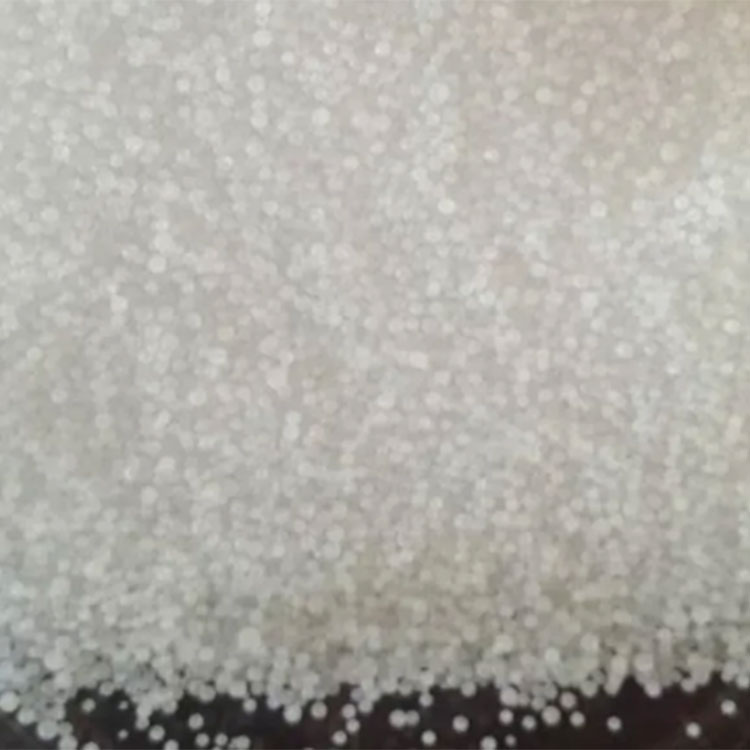
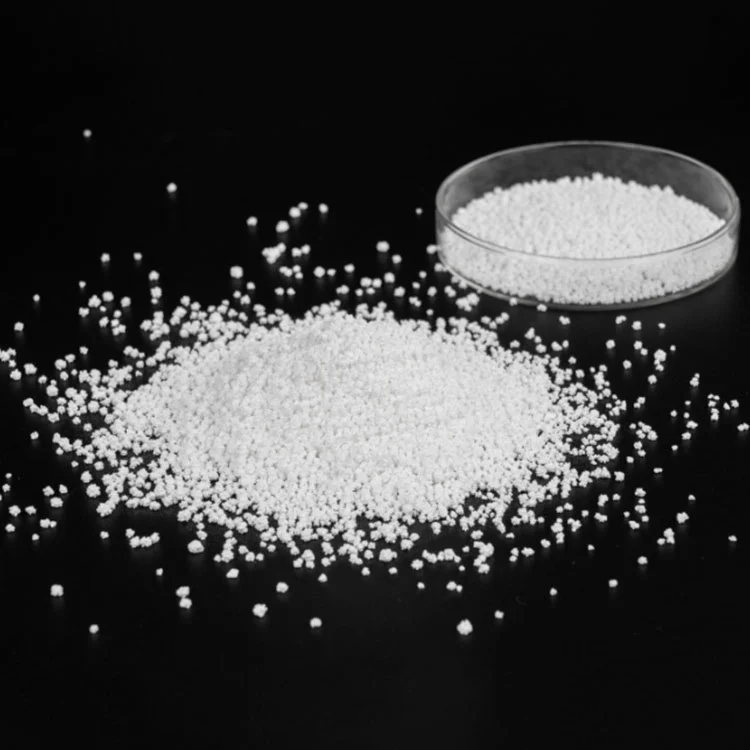
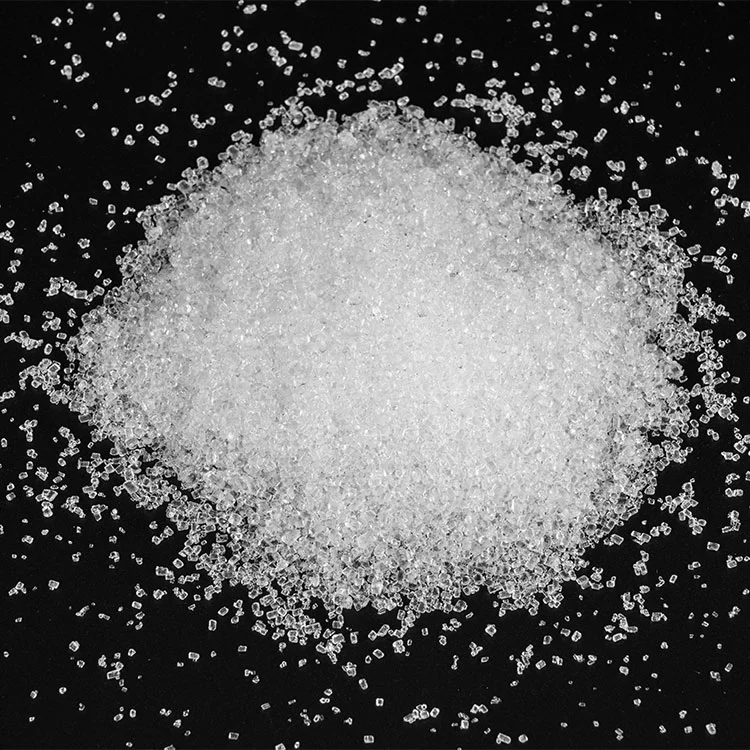
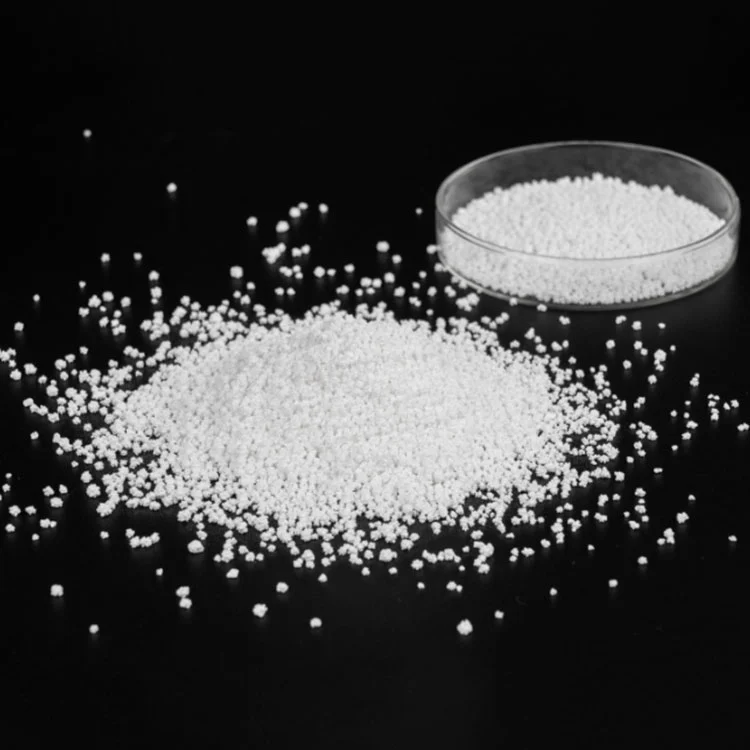
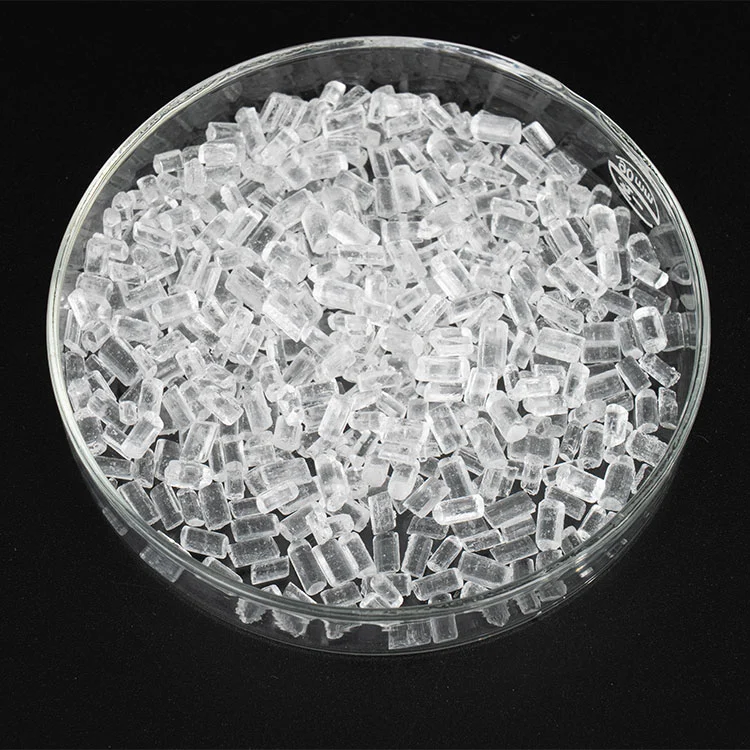
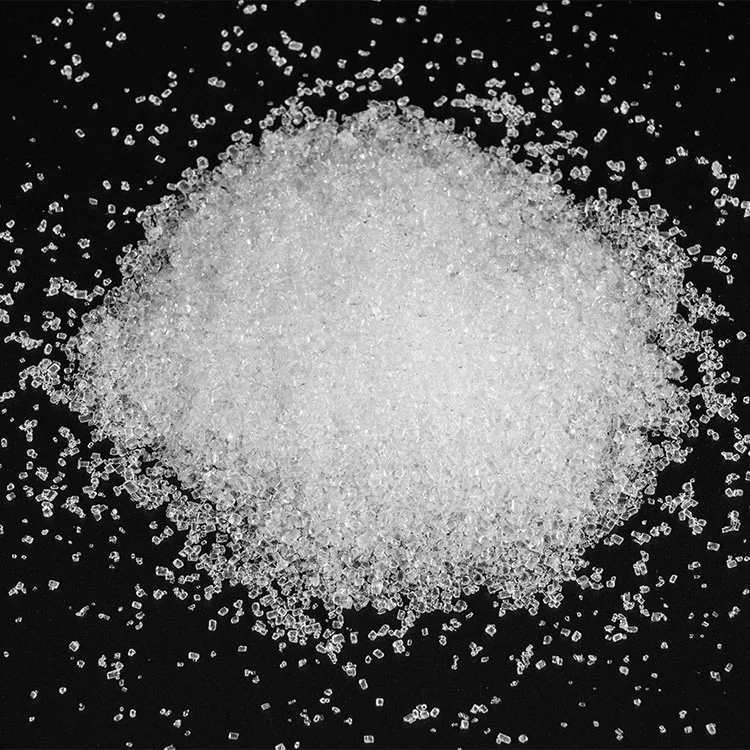
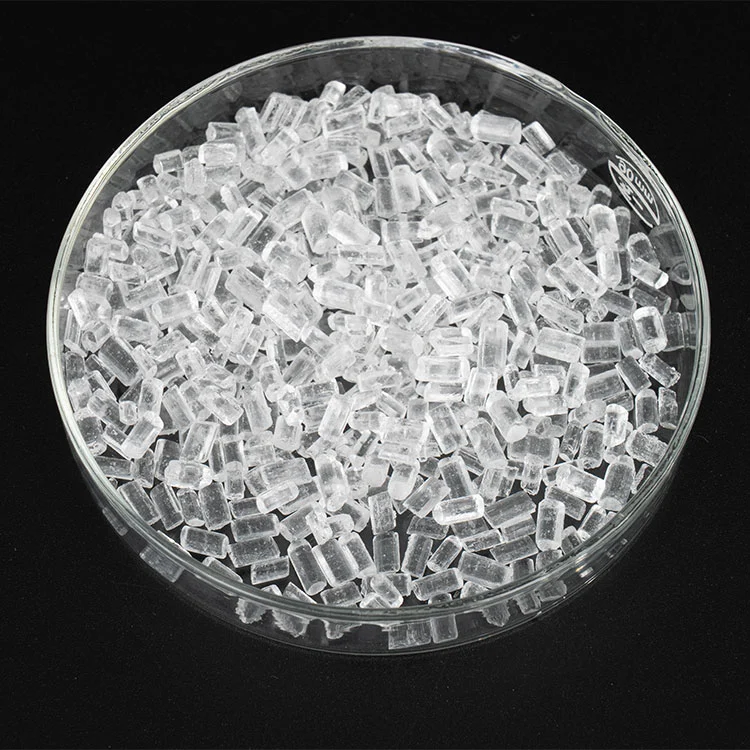
Granule size changes handling and dissolution, not the molecular formula. V&S supplies pentahydrate in 1-3 mm, 3-5 mm and 5-8 mm forms. Smaller granules suit faster batch dissolution; larger granules reduce fines and suit steady feeding. See the granule-size guide before specifying the RFQ.
Convert chemical demand to pump rate
Once the validated product dose is known, calculate the product mass per hour, then divide by the stock concentration.
Example: a validated dose of 0.80 mg/L at 120 m3/h requires 96 g/h. With 100 g/L stock, the initial calculated pump setting is 0.96 L/h. Confirm the setting with pump calibration and downstream residual testing.
The complete sodium thiosulfate guide covers grade selection. If changing between pentahydrate and anhydrous material, use the approved molecular-weight conversion rather than keeping the same bag weight.
Stock-solution troubleshooting
| Observation | Likely check | Action |
|---|---|---|
| Crystals remain on the tank floor | Water volume, agitation, addition rate or low temperature | Continue controlled mixing and inspect the tank before transfer |
| Pump rate is correct but residual is high | Stock strength, pump calibration, mixing point or chlorine demand | Verify each value and retest after the specified contact time |
| Solution strength changes during storage | Hold time, contamination, evaporation or poor closure | Quarantine the batch and follow the site's verification method |
| Repeated nozzle or line blockage | Undissolved solids, contamination or incompatible equipment | Inspect solution preparation and line design before increasing pressure |
| Operators calculate different quantities | Confusion between w/v, w/w, active basis and commercial-product basis | Standardize the batch sheet in g/L of commercial product with assay shown |
Safety and quality controls
Acid contact can decompose thiosulfate. Follow the current SDS for incompatibilities, PPE, ventilation, spill response and storage.
- Use potable or process-approved make-up water
- Verify tank capacity and calibration
- Keep bags dry and sealed before use
- Control dust while charging solids
- Use the exact batch COA assay
- Set a validated solution hold time
- Label the tank and transfer line
- Prevent cross-connection with acids or oxidizers
- Record actual weight and final volume
- Measure free and total chlorine when chloramine is possible
Stock-solution questions
How much product is needed for a 10% w/v solution?
10% w/v equals 100 g/L. For 1000 L, the theoretical commercial-product mass is 100 kg at 100% assay or 101.01 kg at 99% assay.
Should I add chemical or water first?
Add most of the water first, start controlled agitation, then add the weighed solid gradually. Top up to final volume after dissolution.
Can I substitute anhydrous sodium thiosulfate at the same weight?
No. Pentahydrate and anhydrous material have different molecular weights. Convert the mass and correct for both assays.
How long can the stock solution be stored?
There is no universal hold time for every concentration and site. Establish a documented limit from the preparation method, tank closure, temperature, contamination control and strength verification.
Does a stronger stock always improve dosing?
No. The concentration must remain soluble and compatible with the tank, mixer, pump and operating range. A stronger solution also makes a small pump error deliver more chemical.
Request sodium thiosulfate for your dosing system
Send V&S Chem your target stock concentration, batch volume, required grade, granule size, monthly quantity and destination. We can provide the applicable specification, COA example and SDS for review.
Send your enquiryTechnical sources
- NIH PubChem: Sodium Thiosulfate. Chemical identity and safety references.
- U.S. EPA, Wastewater Technology Fact Sheet: Dechlorination. Process control and residual-monitoring context.
- Standard Methods excerpt. Sodium thiosulfate solution equivalents for dechlorination of microbiological samples.
- V&S Chem: 3-5 mm Sodium Thiosulfate Pentahydrate. First-party product form and specification information.