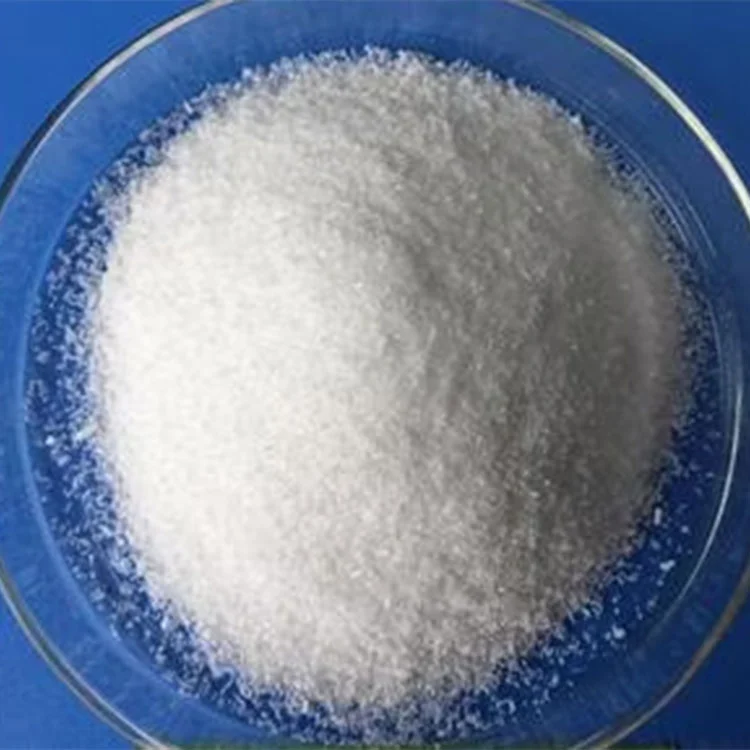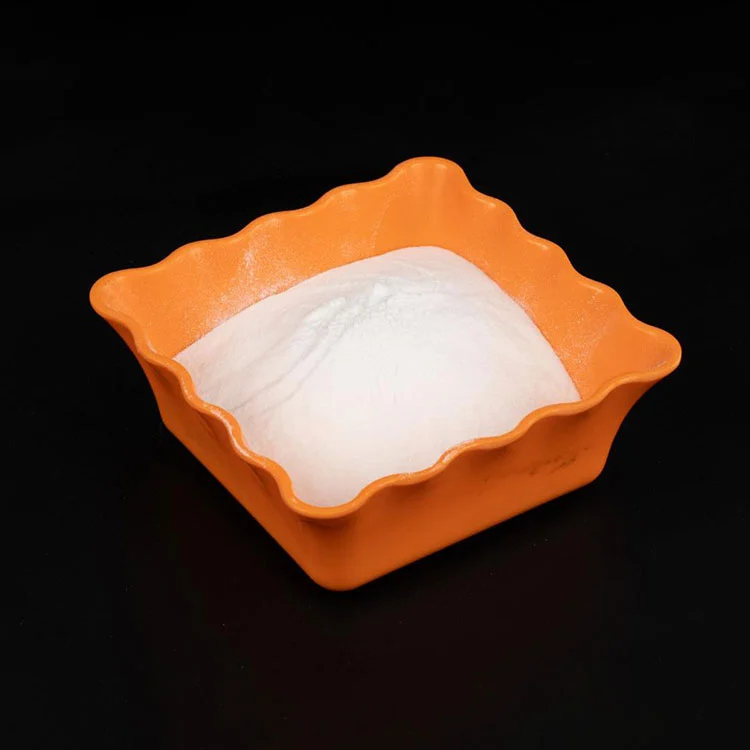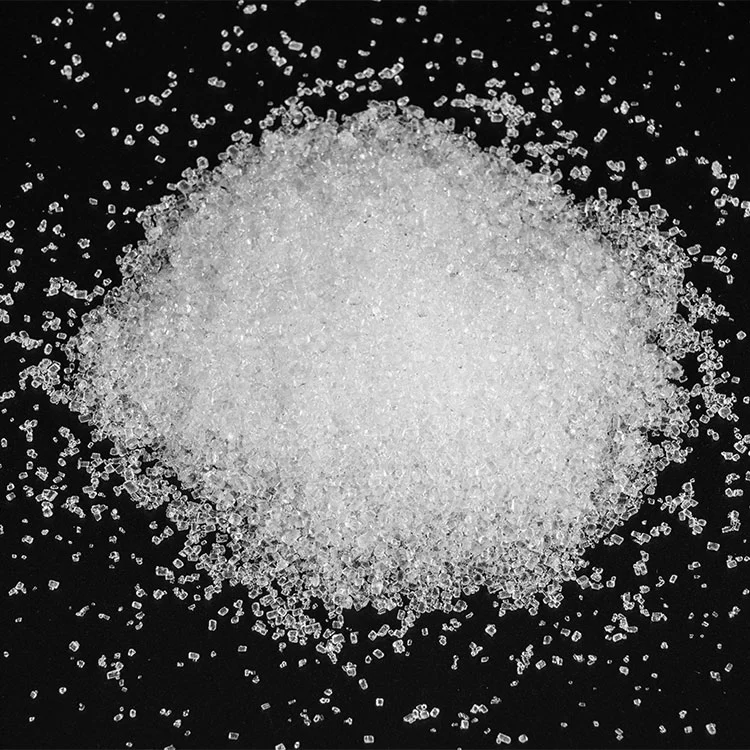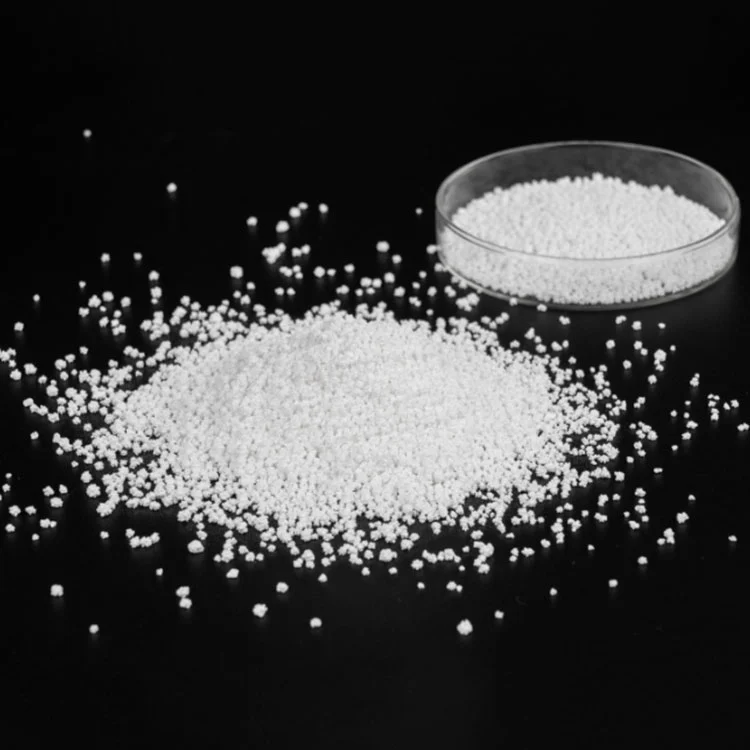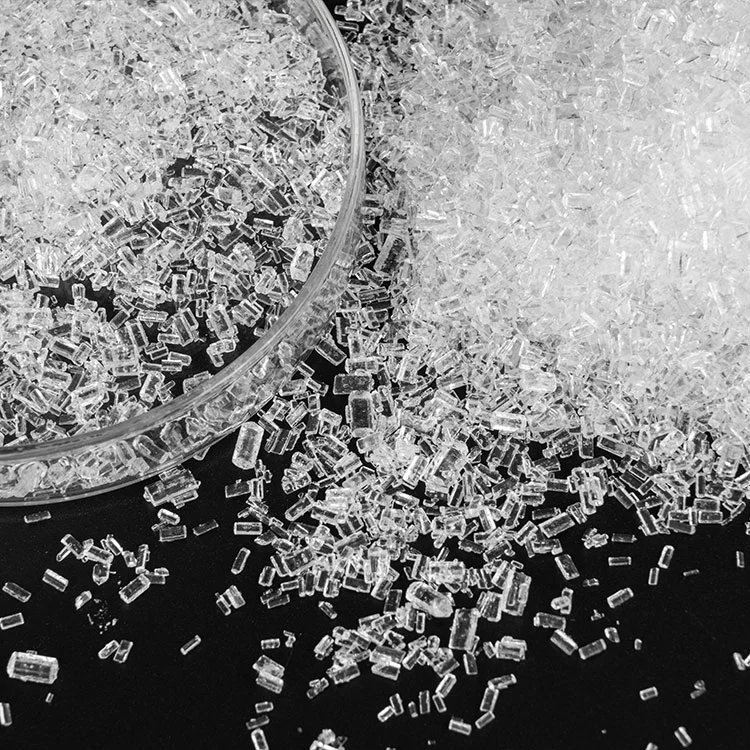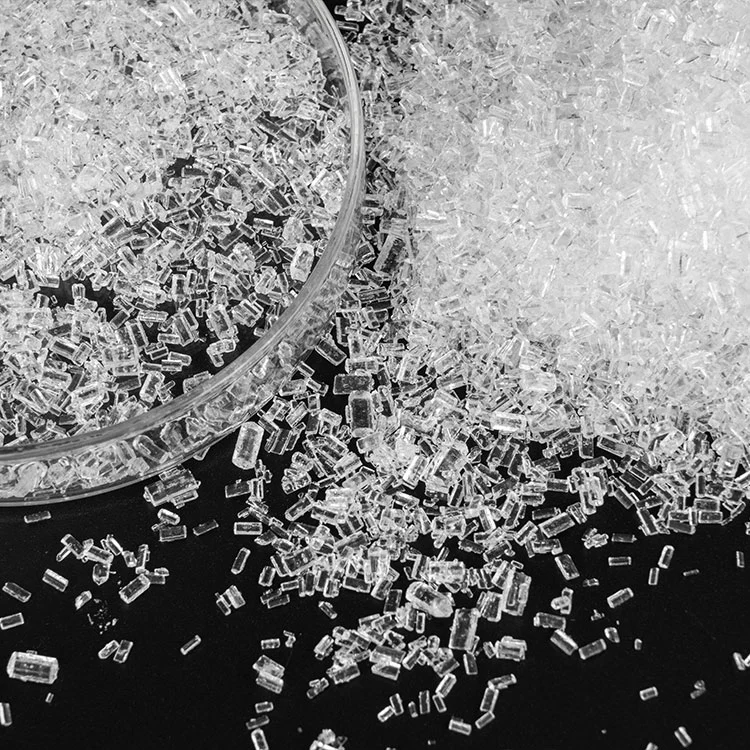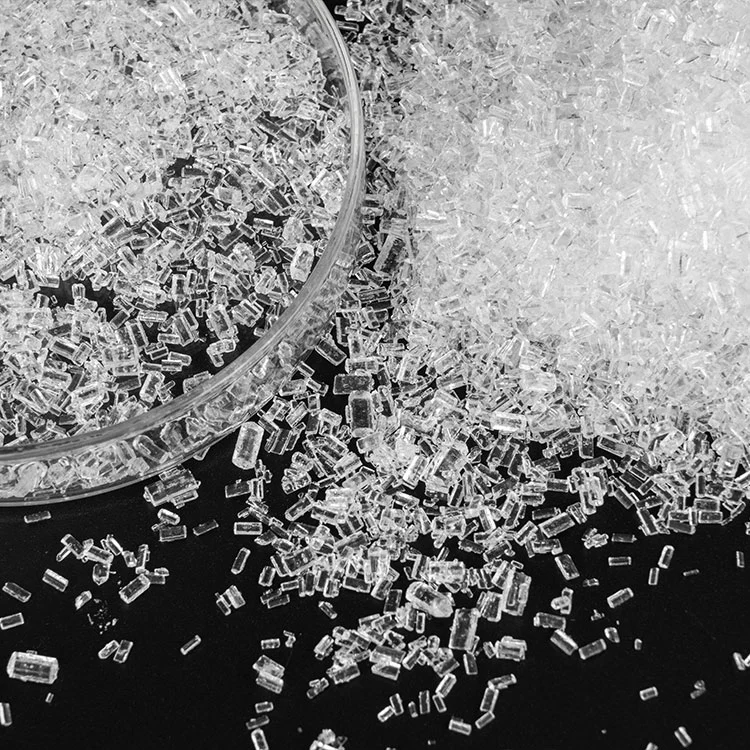


Quick answer. All three sizes of sodium thiosulfate pentahydrate are the same chemical to the same specification — only the physical form differs. Choose 1–3 mm when you need the fastest dissolution for quick batch make-up, 3–5 mm for balanced, low-dust general water treatment, and 5–8 mm big granules for continuous feeders and the cleanest handling. In short: pick the size by your dosing method, not by price.
Why Does Granule Size Matter for Sodium Thiosulfate?
In short: smaller granules have more surface area, so they dissolve faster — but they also make more dust and cake more easily. Larger granules are slower to dissolve but far cleaner to handle and feed.
Most product listings treat granule size as nothing more than a code on a label. That leaves buyers to guess, and the wrong guess shows up later as a dosing tank that takes too long to clear, a feeder that bridges, or a bag of caked material that no longer pours.
The physics is straightforward. A smaller granule exposes more surface to the water, so it dissolves quickly — useful when you want a fast make-up solution. The same fineness produces more dust during handling and holds moisture more readily, which raises the caking risk. A larger granule reverses both effects: it dissolves more slowly and steadily, and it stays free-flowing and low-dust.
So the real question is never "which size is best" in the abstract. It is "which size fits the way I dose and store the product." That is what the rest of this guide answers. For the full picture on grades, uses and specifications, start with our complete sodium thiosulfate pentahydrate guide.
1–3 mm, 3–5 mm and 5–8 mm Compared
In short: use the table below to see the trade-off at a glance. Dissolution speed rises as size falls; dust and caking risk rise with it too.
| Property | 1–3 mm | 3–5 mm | 5–8 mm big granules |
|---|---|---|---|
| Dissolution speed | Fastest | Balanced | Slowest, steady |
| Dust / fines | Highest | Low | Lowest |
| Caking risk | Higher | Low | Lowest |
| Handling / pouring | Needs care | Easy | Cleanest, free-flowing |
| Dry / continuous feeders | Poor fit | Fair | Best fit |
| Best use | Fast batch make-up | General water treatment | Continuous / metered dosing |
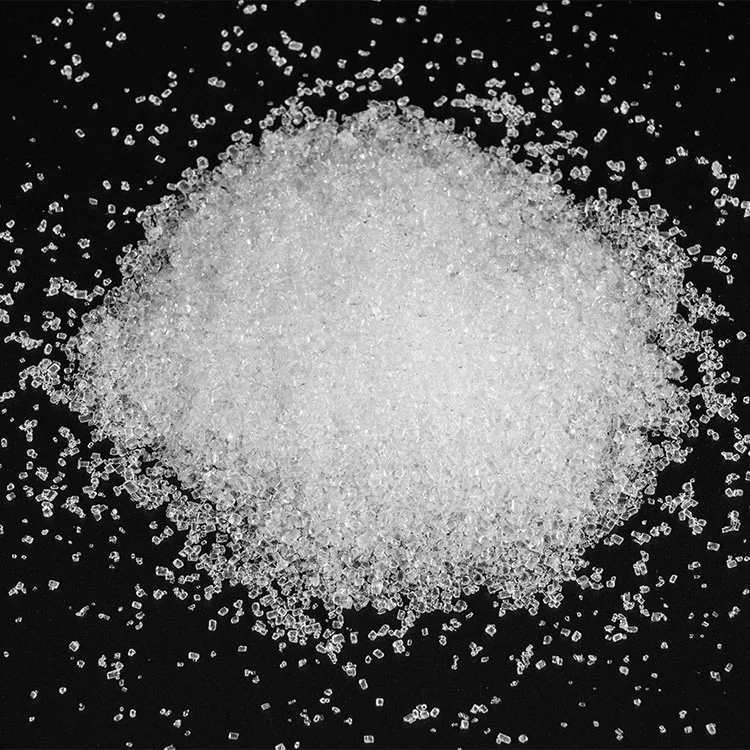
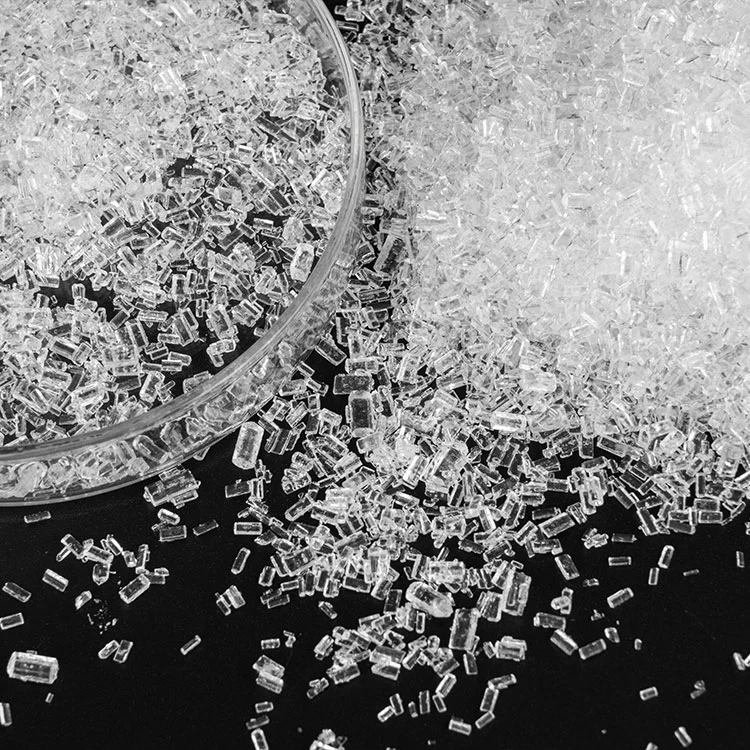
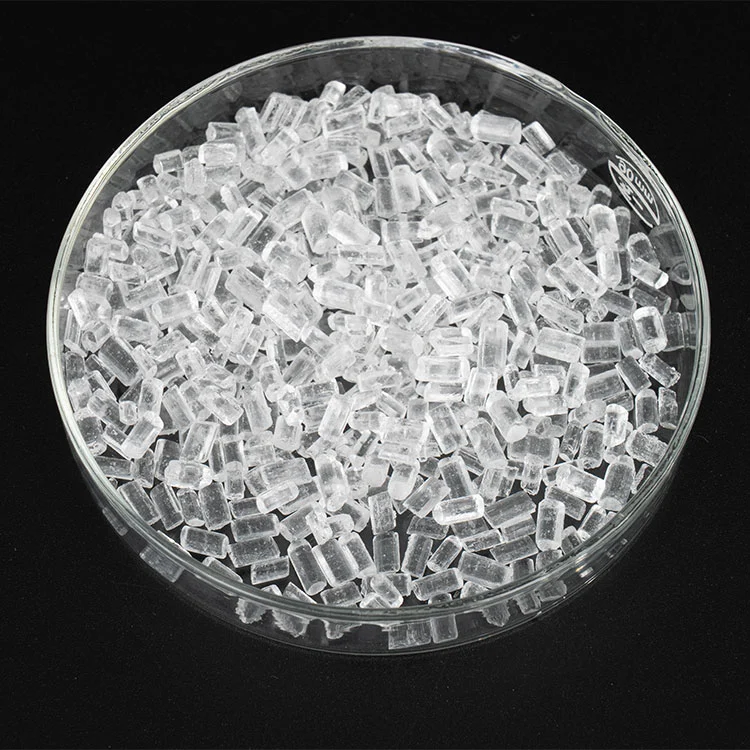
Match the Granule Size to Your Dosing System
In short: agitated make-up tanks favor smaller granules; dry and erosion feeders favor larger ones that flow freely and dissolve at a steady rate.
Your dosing hardware is the single best guide to the size you should order. Work from how the material actually enters your water:
- Manual batch dosing / agitated make-up tank — you want quick, complete dissolution, so 1–3 mm or 3–5 mm works well.
- Dissolving tank without strong agitation — the balanced 3–5 mm dissolves fully without leaving fines suspended.
- Erosion / dissolution feeders — you want a granule bed that erodes at a steady rate, so the 5–8 mm big granules are the right call.
- Dry volumetric or continuous feeders — free flow and low dust matter most; again the 5–8 mm granules resist bridging and keep the feed steady.
If your process runs continuously rather than in batches, defaulting to the big granules usually saves you a dust problem and a maintenance headache down the line.
Match the Granule Size to Your Application
In short: the application points you to a typical size, but always confirm it against your dosing method from the section above.
| Application | Typical size | Why |
|---|---|---|
| Rapid dechlorination make-up solution | 1–3 mm | Fast dissolution for quick batches |
| General municipal / industrial water treatment | 3–5 mm | Balanced dissolution, low dust |
| Continuous-feed dechlorination | 5–8 mm | Steady erosion, dust-free handling |
| Aquaculture & pond conditioning | 1–3 or 3–5 mm | Quick batch dosing before stocking |
| Chrome tanning / paper decolorizing | 3–5 mm | Reliable general-purpose form |
| Silver extraction / metal finishing | 3–5 mm | Consistent dissolution in process baths |
These are typical starting points, not fixed rules. Our 1–3 mm size, for example, is used across leather processing, silver extraction, tap-water dechlorination, aquaculture and ship cleaning — the same material simply suits several duties. For water-treatment duty specifically, see why 3–5 mm is a common choice for industrial dechlorination.
Dust, Caking and Storage: The Handling Side of Granule Size
In short: the pentahydrate holds water of crystallization, so finer sizes need drier, tighter storage. Larger granules tolerate handling better.
Granule size does not just change dissolution — it changes how the product survives storage and handling. Because the pentahydrate carries water of crystallization, heat and humidity can make it cake or slowly lose water, and finer material is more exposed to both.
Whatever size you choose, the same storage rules keep it stable:
- Keep bags sealed in a cool, dry, ventilated area.
- Store away from strong acids and oxidizers — acid contact decomposes the material and releases sulfur.
- With finer 1–3 mm material, be stricter about resealing part-used bags to limit dust and moisture pickup.
- Prepared stock solutions have a limited life, so mix only what you will use.
Does Granule Size Change the Purity or Chemistry?
In short: no. All sizes are the same sodium thiosulfate pentahydrate to the same assay and impurity limits. Only the particle form changes.
This trips up a lot of first-time buyers, so it is worth stating plainly: 1–3 mm, 3–5 mm and 5–8 mm are not different qualities. They share the same formula (Na₂S₂O₃·5H₂O), the same 99% assay, and the same iron, sulfide and pH limits. A larger granule is not "weaker," and a finer one is not "purer."
Where grade genuinely matters — photographic versus industrial versus anhydrous, and the Fe and sulfide ceilings behind them — is a separate decision covered in the grades section of the complete guide. Granule size is purely about how the material behaves physically in your line.
How to Order the Right Granule Size from V&S
In short: tell us your dosing method and volume, and we'll recommend a size and grade, with a Certificate of Analysis on every lot.
As a China-based manufacturer and exporter of sulfate chemicals since 2004, we stock sodium thiosulfate pentahydrate in all three granule sizes to the same documented specification. When you enquire, share how you dose — batch tank, dissolving tank, or continuous feeder — and your monthly volume, and we will match both the size and the grade to your process.
Every order ships with a Certificate of Analysis and MSDS, with REACH- and TSCA-compliant documentation and full sea, air, FCL, LCL and dangerous-goods logistics handled in-house. Free samples of any size are available so you can test dissolution and handling before you commit.
Not sure which granule size fits your line?
Send us your dosing method and volume — we'll recommend a size, quote a price, and include a Certificate of Analysis. Free sample on request.
Ask Our Team →Frequently Asked Questions
Which sodium thiosulfate granule size dissolves fastest?
The 1–3 mm size dissolves fastest because its smaller particles expose more surface area to the water. The 5–8 mm big granules dissolve most slowly and steadily. The 3–5 mm size sits in between and suits most general water treatment.
Is a larger granule size lower quality or weaker?
No. All three sizes are the same sodium thiosulfate pentahydrate to the same assay and impurity limits. Only the particle form changes, not the chemistry or purity.
Which granule size is best for a continuous dosing feeder?
The 5–8 mm big granules are the best fit for continuous, metered and erosion feeders. They flow freely, resist bridging, generate little dust, and erode at a steady rate.
Which size should I use for aquaculture or pond dechlorination?
For batch conditioning before stocking, the 1–3 mm or 3–5 mm sizes work well because they dissolve quickly. Confirm the choice against your dosing method and always dechlorinate make-up water before it reaches livestock.
Does granule size affect storage?
Yes, indirectly. The pentahydrate holds water of crystallization, so finer 1–3 mm material is more exposed to dust and moisture pickup and should be stored drier and resealed carefully. All sizes should be kept cool, dry, sealed, and away from acids.