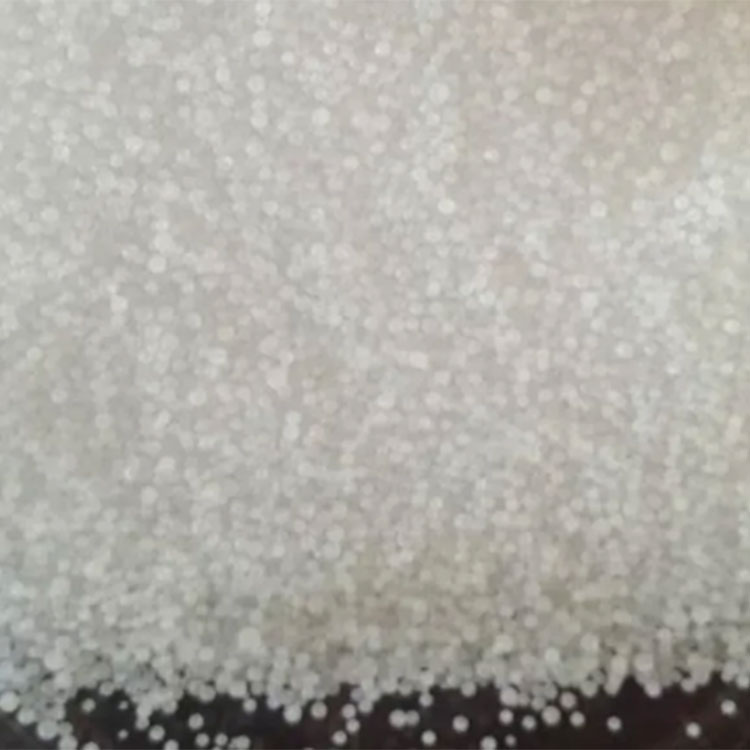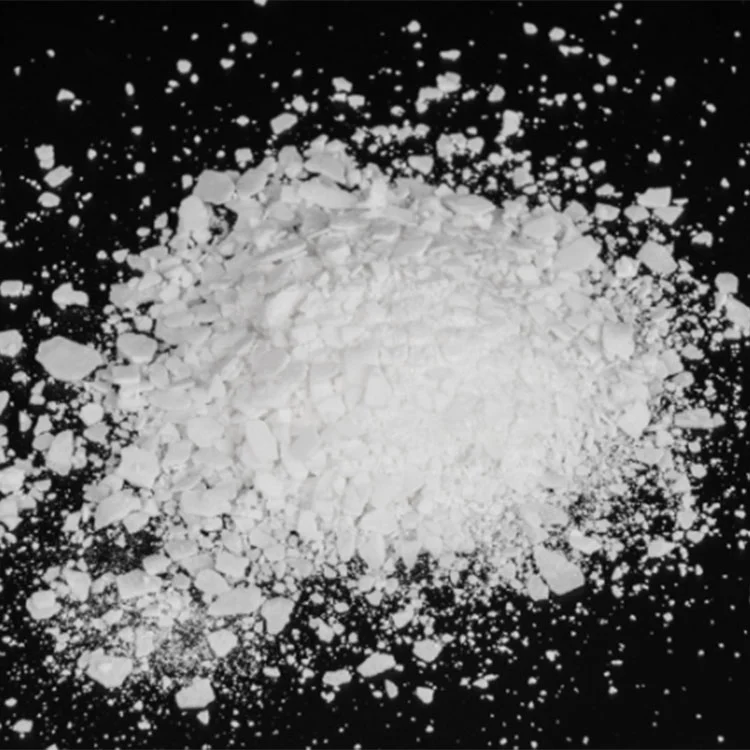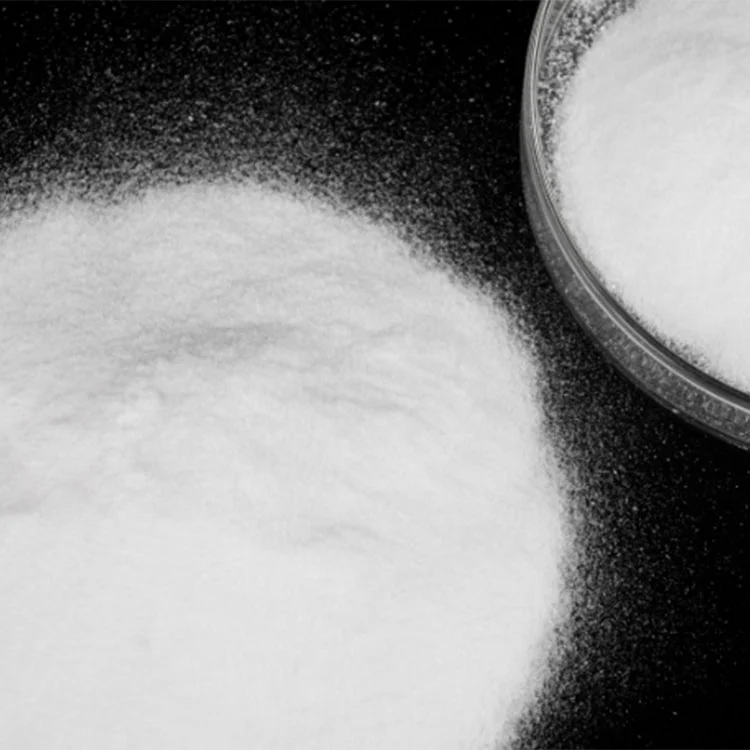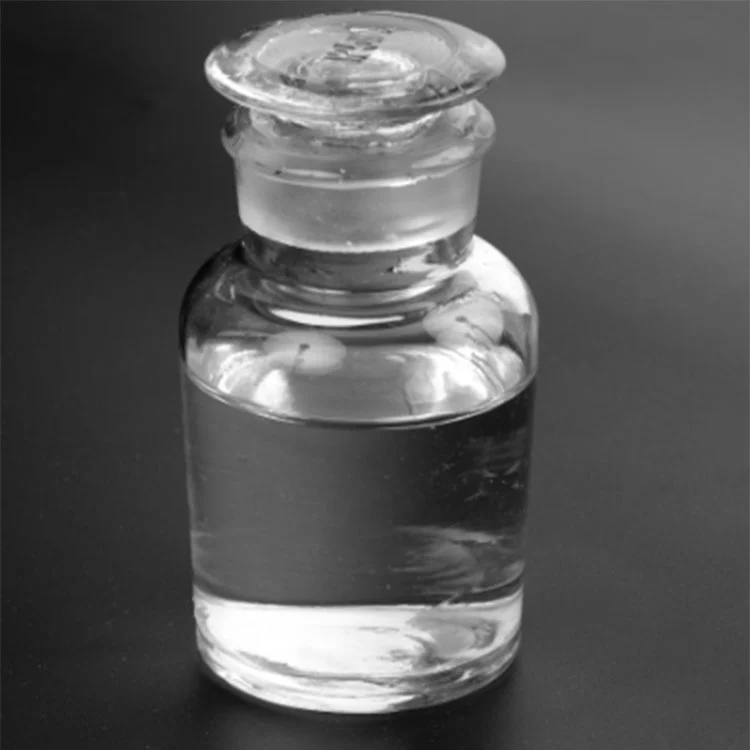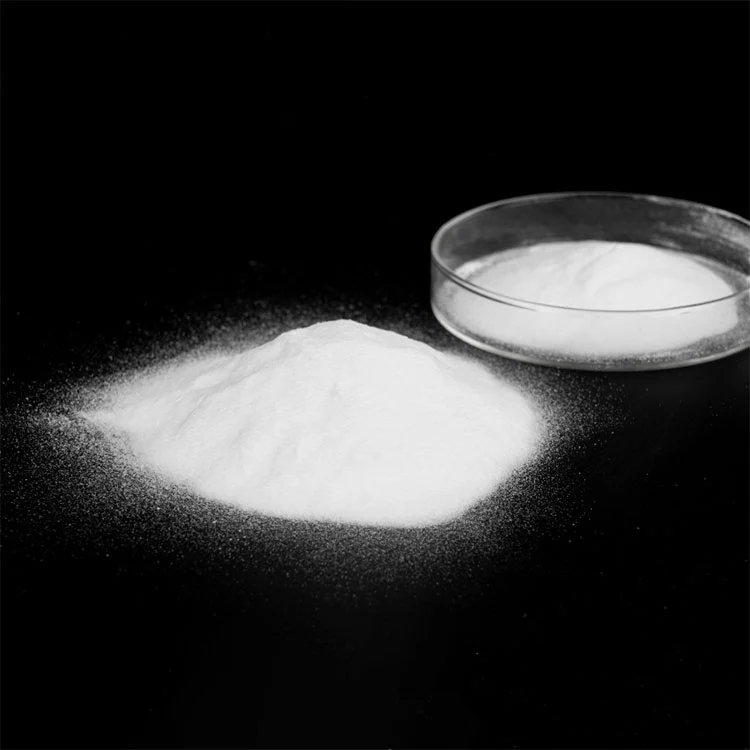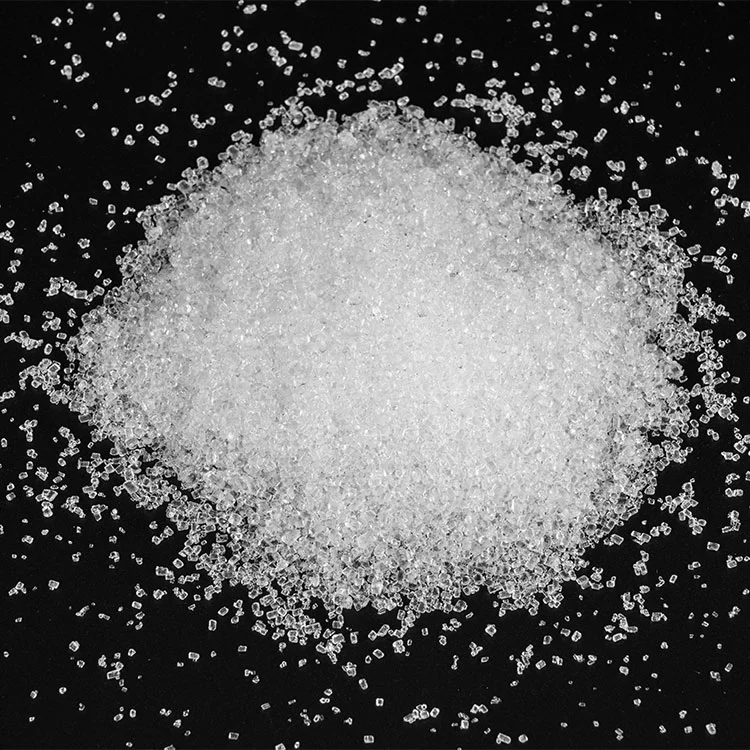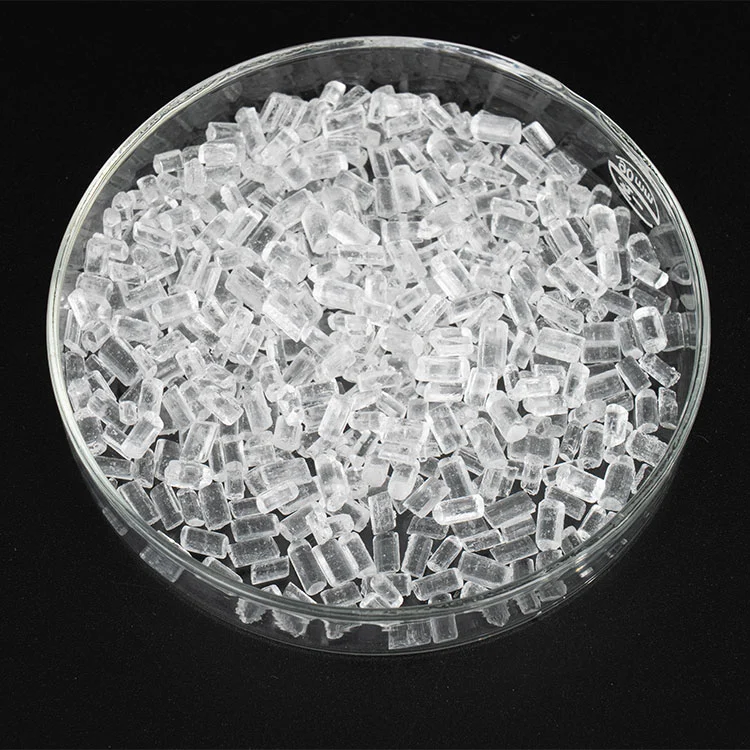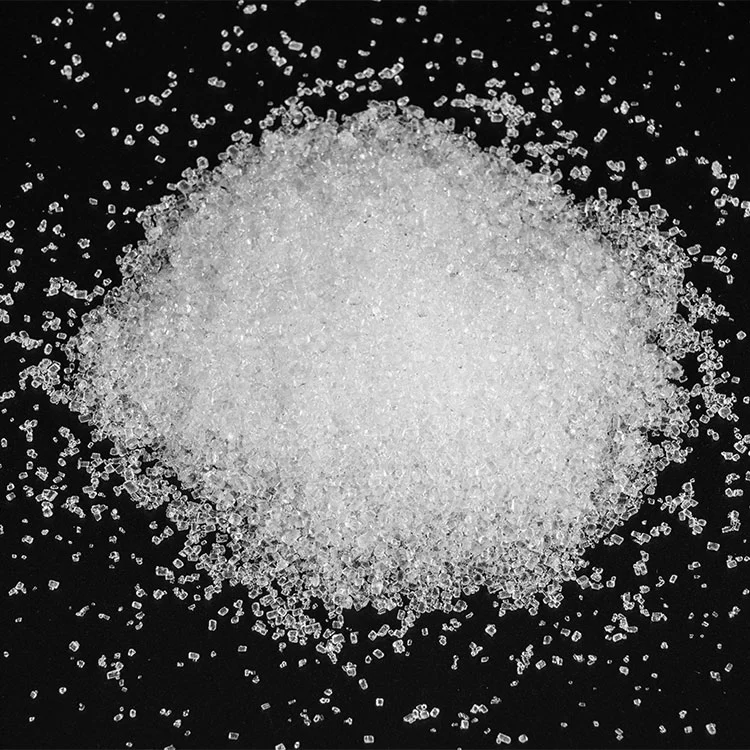


Sodium thiosulfate, sodium sulfite and sodium metabisulfite can all reduce chlorine, but they are not interchangeable in purchasing or operation. Sodium thiosulfate is often the practical choice when clean crystal or granule handling and flexible batch dosing matter. Sodium sulfite is a straightforward dry sulfite for general industrial dechlorination and oxygen-scavenging duties. Sodium metabisulfite supplies a high concentration of active sulfite in a compact dry product and is widely used for controlled wastewater and reverse-osmosis pretreatment.
The right choice depends on the chlorine species, required residual, dosing equipment, storage conditions, downstream process and the product specification—not simply the lowest price per tonne.
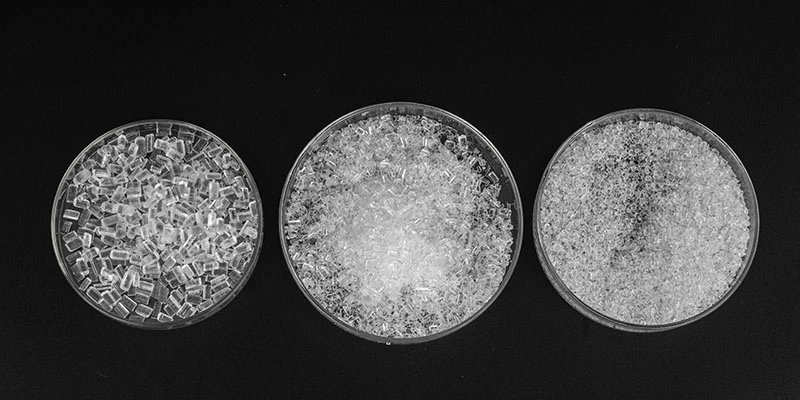

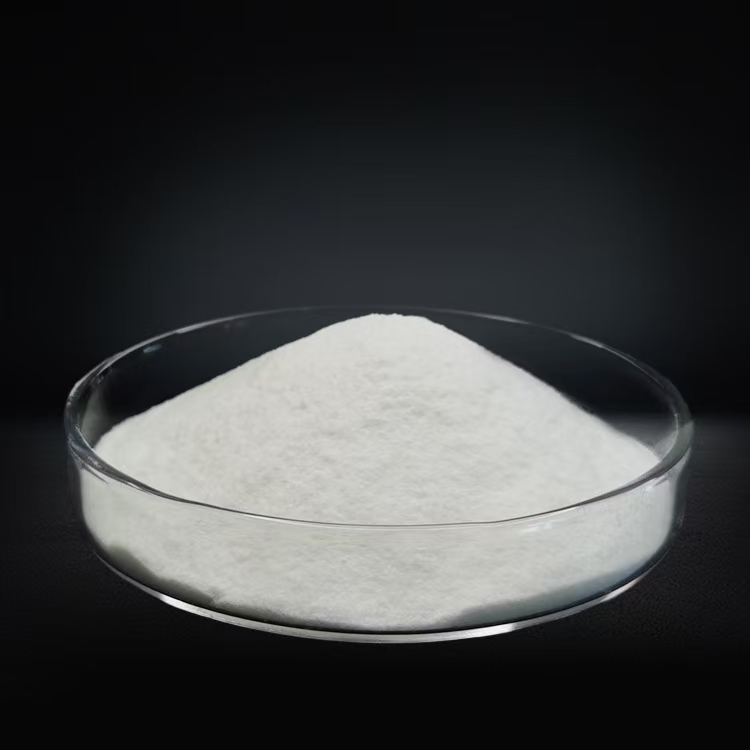
Product images: V&S Chem
Choose sodium thiosulfate when
You want water-soluble crystals or granules for batch preparation, low-dust handling, aquaculture make-up water, water-sample preservation or other controlled dechlorination work.
Choose sodium sulfite when
You need a conventional dry sulfite reducing agent for industrial water, pulp and paper, textile processing, boiler-water oxygen control or wastewater treatment.
Choose sodium metabisulfite when
You need a concentrated sulfite source, compact storage and solution dosing for applications such as RO feedwater dechlorination or tightly controlled treatment systems.
What Actually Changes Between the Three Dechlorination Chemicals?
All three products are reducing agents. In a dechlorination process, they convert oxidizing chlorine species into chloride while the sulfur-containing reagent is oxidized. The important operational difference is the chemical form in which that reducing capacity is delivered.
Sodium sulfite and sodium metabisulfite both generate sulfite species in water. The U.S. Environmental Protection Agency lists sodium sulfite, sodium bisulfite and sodium metabisulfite among the sulfite salts used for wastewater dechlorination. The same EPA fact sheet notes that sodium metabisulfite requires the lowest addition rate among the sulfite salts discussed, but also stresses the need for residual monitoring and process control.[1]
Sodium thiosulfate uses a different sulfur oxyanion. It is widely recognized as a dechlorination reagent, including for neutralizing residual halogen in microbiological water samples.[2] Commercial sodium thiosulfate is commonly supplied as the pentahydrate crystal, which can also be screened into different granule sizes for different dissolution and feeding requirements.
Confirm the supplied form, assay, impurity limits, particle size, packaging and batch documentation. A 97% powder and a 99% granulated crystal may require very different storage, make-up and feeding arrangements even when both can remove chlorine.
Sodium Thiosulfate vs Sodium Sulfite vs Sodium Metabisulfite
| Decision factor | Sodium thiosulfate | Sodium sulfite | Sodium metabisulfite |
|---|---|---|---|
| Common formula |
Na₂S₂O₃·5H₂O CAS 10102-17-7 |
Na₂SO₃ CAS 7757-83-7 |
Na₂S₂O₅ CAS 7681-57-4 |
| Typical physical form | Clear or colorless crystals; powder or screened granules | White crystalline powder | White to pale-yellow crystalline powder with a slight sulfur odor |
| Operational character | Flexible solid form; granules can reduce dust and support different dissolution rates | Direct dry sulfite source; readily oxidizes toward sulfate when exposed to air | Concentrated dry sulfite source; forms bisulfite after dissolution |
| Common fit | Batch make-up, aquaculture, water sampling, general process dechlorination | Wastewater, boiler water, pulp and paper, textile and general reducing duty | RO pretreatment, wastewater solution dosing and compact bulk chemical storage |
| Handling focus | Control moisture and caking; choose granule size for the dosing system | Protect powder from air and moisture; control dust during handling | Keep dry and well ventilated; prepared solutions lose strength through oxidation |
| Key limitation | Application demand varies with free chlorine, chloramine and water chemistry | More product mass is generally required than for metabisulfite at equal active sulfite duty | Acid contact and poor ventilation can create a sulfur-dioxide exposure risk |
| Buying data to confirm | Hydrate form, assay, sulfide, iron, pH, granule size | Dry-basis assay, iron, insolubles, free alkali, sulfate | Assay, iron, insolubles, grade, moisture protection, solution age |
Where Each Product Fits Best
1. Sodium Thiosulfate: Flexible Crystal and Granule Handling
Sodium thiosulfate pentahydrate is a strong fit when the operator wants a water-soluble crystalline product that can be handled as a powder or a defined granule. V&S supplies 1–3 mm, 3–5 mm and 5–8 mm forms. Smaller granules dissolve faster in an agitated make-up tank; larger granules generate less dust and are easier to use in steady-dissolution or continuous-feed systems.
This physical flexibility makes thiosulfate useful for batch treatment, aquaculture make-up water, water-sample dechlorination and industrial systems where simple solid handling is preferred. The selection still needs to account for whether the residual is free chlorine or combined chlorine. For grade, specification and granule details, use the complete sodium thiosulfate buyer's guide and the granule-size comparison.
2. Sodium Sulfite: General-Purpose Industrial Sulfite
Sodium sulfite is a conventional dry reducing agent used in water treatment and in processes that also need oxygen scavenging or oxidation control. Its uses extend into pulp and paper, textile, leather and chemical processing, which can make it attractive for a plant that already consumes sulfite in more than one operation.
Commercial selection should be based on dry-basis Na₂SO₃ assay and impurity limits rather than a generic “industrial grade” description. V&S lists 96% and 97% grades with different limits for iron, insoluble matter, free alkali, sulfate and chloride on its sodium sulfite product page. Because sulfite gradually oxidizes to sulfate in air, packaging integrity and warehouse humidity matter to both storage stability and dosing consistency.
3. Sodium Metabisulfite: Concentrated Sulfite for Controlled Dosing
Sodium metabisulfite is often selected where compact storage and a concentrated sulfite source are valuable. When dissolved, it forms sodium bisulfite, which reacts with hypochlorous acid. DuPont's FilmTec technical guidance identifies sodium metabisulfite as a common reducing agent for free-chlorine removal upstream of RO and NF membranes.[3]
The advantages come with tighter handling requirements. The powder is moisture-sensitive, and a made-up solution can lose strength as it oxidizes in contact with air. The purchase specification should state grade, assay and impurity limits as well as packaging. See the available specifications on the V&S sodium metabisulfite page.
How to Select by Application
| Application | Practical starting choice | Why | Confirm before ordering |
|---|---|---|---|
| RO/NF feedwater | Sodium metabisulfite | Established solution-dosing route for free-chlorine removal | Membrane supplier limit, ORP/chlorine control, solution age and injection point |
| Municipal or industrial wastewater | Sodium sulfite or sodium metabisulfite | Both deliver sulfite chemistry commonly used for effluent dechlorination | Permit residual, mixing, contact time, dissolved oxygen and overdosing control |
| Aquaculture make-up water | Sodium thiosulfate | Convenient crystal or granule form for controlled batch preparation | Free chlorine vs chloramine, water volume, residual test and livestock-specific protocol |
| Water sampling | Sodium thiosulfate | Recognized for neutralizing residual halogen in microbiological sample containers | Sampling method, bottle preparation and laboratory procedure |
| Pulp, paper or textile process | Sodium sulfite or sodium thiosulfate | Choice can be matched to the plant's existing reducing and bleaching sequence | Process pH, temperature, downstream chemistry and impurity limits |
| Low-dust dry handling | Granular sodium thiosulfate | Screened granules are cleaner to pour and feed than fine powders | Dissolution time, feeder design and preferred 1–3, 3–5 or 5–8 mm size |
A chemical that works well in one plant can be the wrong choice in another because chlorine speciation, pH, temperature, ammonia, organic load, contact time and downstream oxygen demand all change the result.
Why a Fixed “Dose per mg/L Chlorine” Is Not Enough
Stoichiometry is useful for estimating chemical consumption, but it does not replace residual testing. DuPont's RO guidance gives a useful example: the theoretical requirement is 1.34 mg of sodium metabisulfite per 1.0 mg of free chlorine, while its practical guidance uses a higher dose under the stated RO pretreatment conditions.[3] That gap reflects the difference between a clean chemical equation and a real treatment system.
The gap can be wider when combined chlorine is present. Free chlorine, monochloramine and other combined residuals do not necessarily react at the same rate. Natural organic matter, incomplete mixing and reagent oxidation during storage can also consume part of the dose.
- Define the residual. Measure free and total chlorine where combined chlorine may be present.
- Calculate from the delivered product. Use the batch COA assay, supplied hydrate form and solution concentration.
- Confirm mixing and contact time. Sample after the point where the chemical and water have mixed completely.
- Verify the endpoint. Use an appropriate residual method and follow the discharge permit, equipment supplier or process specification.
- Control excess reducing agent. Overfeeding can increase chemical cost and may reduce dissolved oxygen or interfere with downstream treatment.
Storage and Handling Differences
Sodium thiosulfate
Keep bags tightly sealed in a cool, dry and ventilated warehouse. The pentahydrate can cake when exposed to heat and humidity. Keep it separate from strong acids and oxidizers. If part-used bags are common, larger granules generally create less dust during pouring than a fine crystal.
Sodium sulfite
Limit exposure to air and moisture because sodium sulfite oxidizes gradually to sodium sulfate. Protect powder-handling points with suitable dust control and follow the current SDS for personal protective equipment, incompatible materials and spill response.
Sodium metabisulfite
Store the solid dry and prepare only as much solution as the dosing program can use within its validated solution life. PubChem describes sodium metabisulfite as a white crystalline or powder solid with a slight sulfur odor and notes sulfur-oxide hazards under decomposition conditions.[4] Acid contact can release sulfur dioxide, so ventilation, segregation and the supplier SDS are essential.
This comparison does not replace the product SDS, local exposure limits, site risk assessment or operator training. Ask for the current SDS before approving a new supplier or changing grade.
Bulk Purchasing Checklist
A useful quotation request gives the supplier enough information to match the chemistry to the process. Include:
- Chemical name and CAS number
- Required grade and minimum assay
- Free chlorine, total chlorine and target residual
- Water volume or continuous flow rate
- Batch tank, solution pump or dry feeder
- Required powder or granule size
- Impurity limits that affect the process
- Packaging and pallet requirements
- Monthly or annual purchasing volume
- Destination port and required documents
- Representative COA and current SDS
- Sample requirement for plant validation
For sodium thiosulfate, the RFQ should identify pentahydrate or anhydrous material and specify 1–3 mm, 3–5 mm or 5–8 mm where granule behavior matters. For sodium sulfite, state the dry-basis assay and limits for iron, insolubles and free alkali. For sodium metabisulfite, specify grade, assay, iron and insoluble matter and ask how the package controls moisture during ocean transport.
Frequently Asked Questions
Which of the three chemicals is the strongest dechlorinator?
There is no useful universal answer without defining the product form and chlorine residual. Among the sulfite salts discussed by the EPA, sodium metabisulfite requires the lowest addition rate. Sodium thiosulfate follows different reaction chemistry and may be preferred for its crystal or granule handling rather than minimum product mass.
Can sodium thiosulfate remove chloramine?
It can reduce combined chlorine, but the required dose and reaction time can differ from free-chlorine treatment. Confirm chlorine speciation and validate the endpoint with the actual water rather than using a free-chlorine ratio unchanged.
Why is sodium metabisulfite common before RO membranes?
It is a concentrated, economical sulfite source that can be prepared as a solution and metered into RO feedwater. The membrane supplier's free-chlorine limit, monitoring method and dosing guidance should control the final design.
Does a higher assay always mean a better product?
No. Assay affects active chemical content, but iron, insoluble matter, free alkali, sulfide, particle size and packaging may be just as important. Compare the complete specification and a batch-specific COA.
Can these chemicals be stored next to acids?
No. Segregate reducing agents from incompatible acids and oxidizers according to the current SDS and the site's chemical-storage plan. Acid contact is particularly important for sulfites and metabisulfite because sulfur dioxide can be released.
Need help matching the dechlorinator to your process?
Send V&S Chem your chlorine residual, water flow, dosing method, required grade, monthly quantity and destination port. We can match the request to sodium thiosulfate, sodium sulfite or sodium metabisulfite specifications and prepare a quotation for review.
Send Your Dechlorination RFQ →Technical Sources
- U.S. EPA, Wastewater Technology Fact Sheet: Dechlorination. Describes sulfite-salt dechlorination, process control and operational considerations.
- Standard Methods excerpt filed with the California State Water Resources Control Board. Identifies sodium thiosulfate as a dechlorination agent for residual halogen in microbiological water samples.
- DuPont FilmTec, Chlorination/Dechlorination Technical Manual Excerpt. Covers sodium metabisulfite chemistry, theoretical demand and solution stability in RO pretreatment.
- NIH PubChem: Sodium Metabisulfite. Chemical identity and hazard summary.