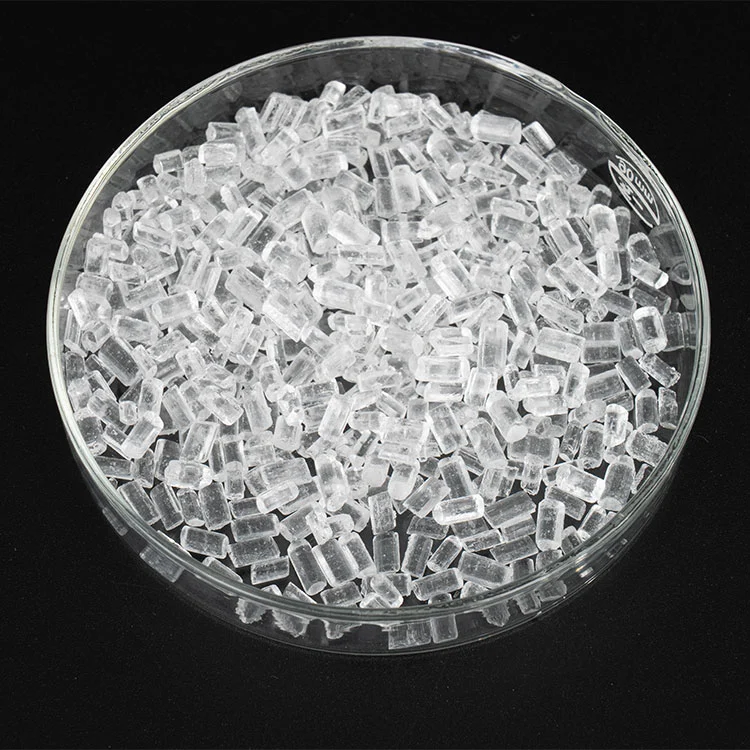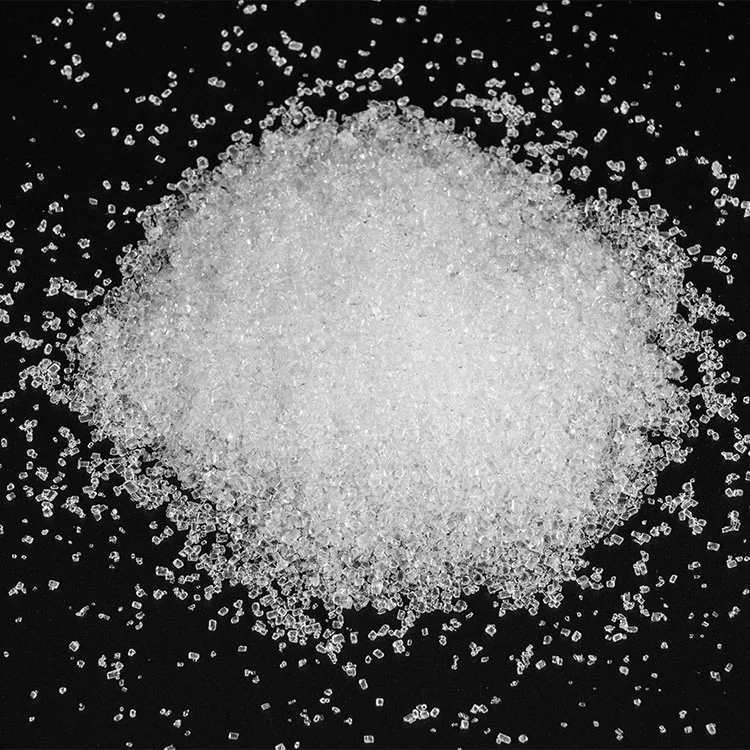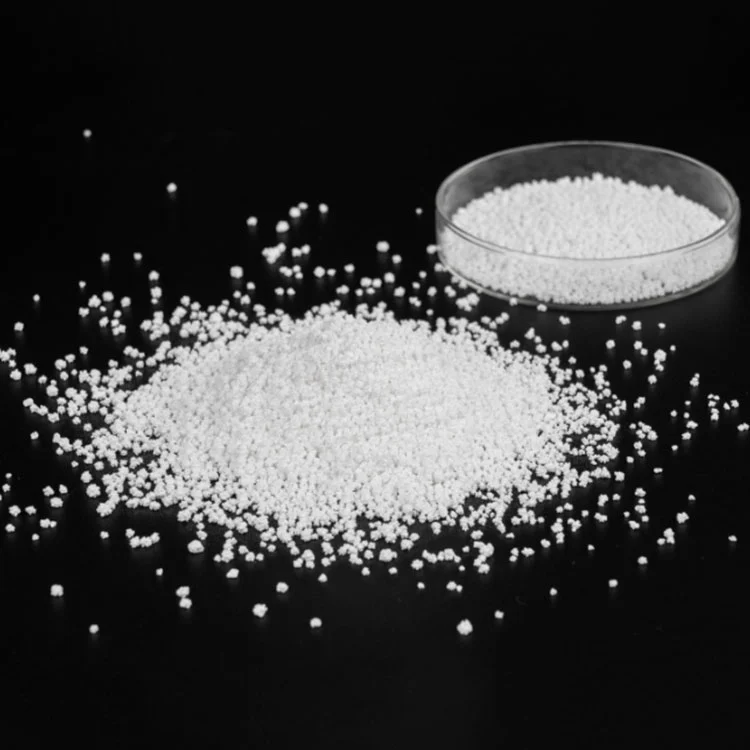

Food additives are functional substances added during the production, processing, storage, or transportation of food to achieve specific technical objectives.
They are typically not consumed alone as food, but rather used in extremely small quantities to play a crucial role.
In actual production, food additives primarily address three issues:
Safety: Inhibiting microbial growth, reducing food spoilage and food safety risks
Stability: Extending shelf life, maintaining consistent product quality during transportation and on the shelf
Sensory experience: Improving or stabilizing the taste, color, flavor, and texture of food.
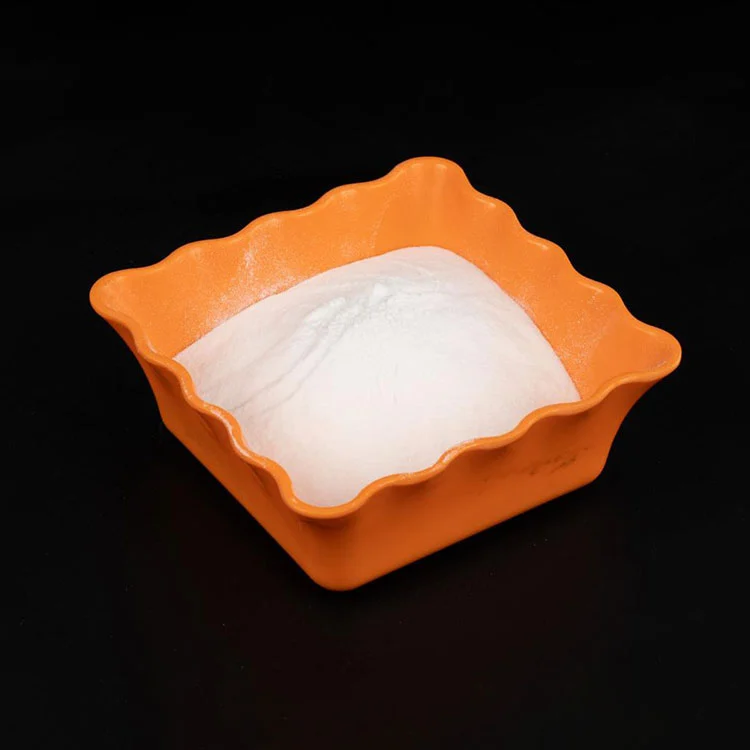
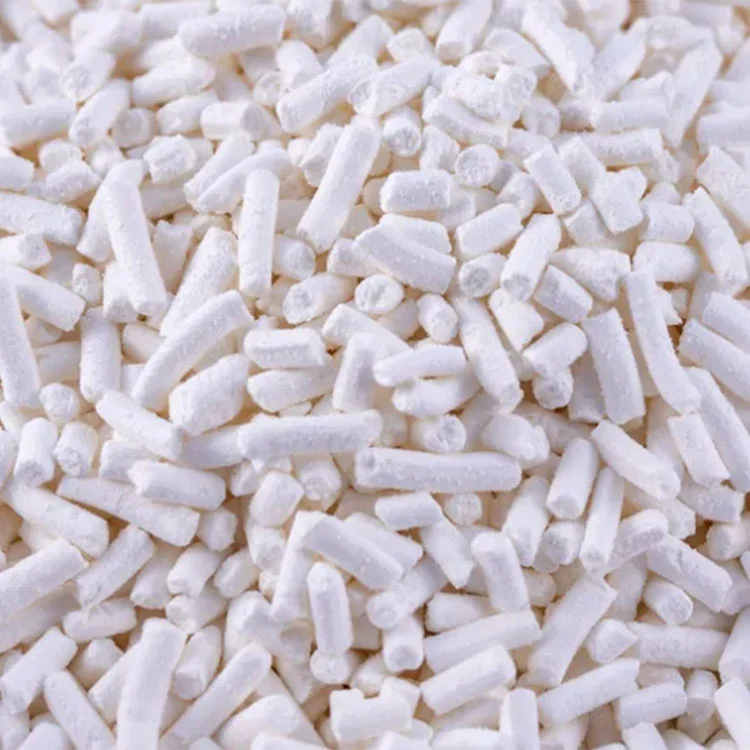
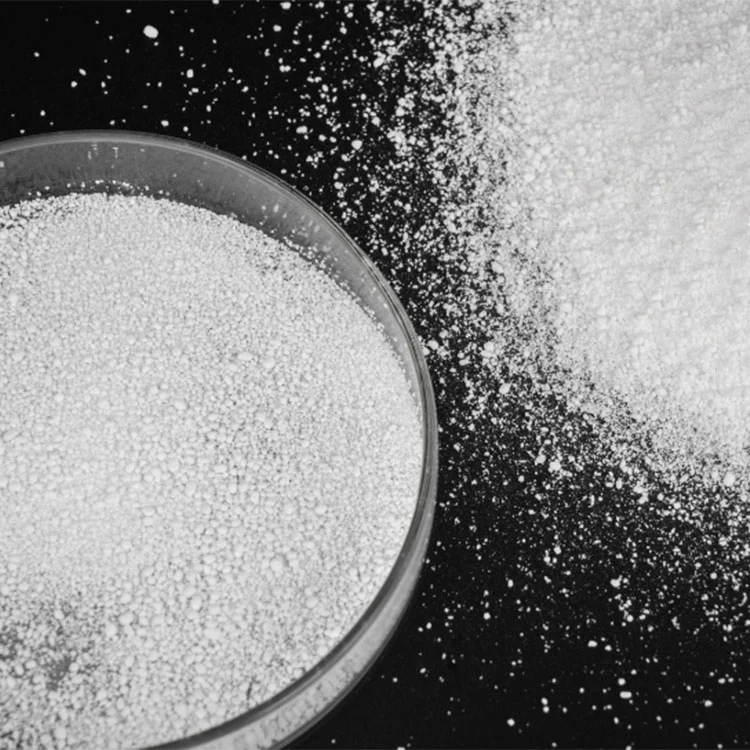
In the food industry, Quality food additives can generally be categorized into the following main types based on their functions, and our product line revolves around these core needs.
These additives are primarily used to inhibit the growth of molds, yeasts, and bacteria, and are widely used in baked goods, beverages, condiments, dairy products, and processed meat products.
Features:
Significantly extends shelf life
Reduces returns and complaints caused by microorganisms
Helps customers successfully pass food safety inspections in exporting countries
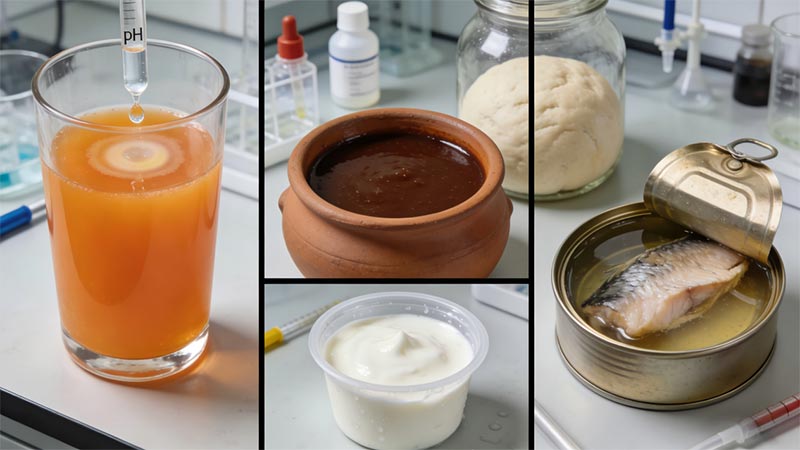
These additives are used to adjust the pH value of food, stabilize flavor and structure, and enhance the effects of other additives.
Application Scenarios:
Beverages, juices
Sauces, canned foods
Fermented foods

These additives are mainly used to improve the appearance and taste of food, making the product better meet consumer sensory expectations.
Value to food companies:
Maintaining consistent taste between batches
Enhancing product appearance appeal
Reducing the risk of fluctuations in natural raw material prices
Although they may not remain in the finished product, they play a very important role in the production process, such as improving dough structure, increasing juice yield, or optimizing fermentation.
As an experienced food additive factory in China, we don't just sell raw materials; we focus on the results our customers experience in actual use.
Our core advantages are mainly reflected in the following aspects:
1. High stability: Consistent indicators between batches, reducing repeated formula adjustments.
2. Clear compliance: Meets international food regulations, supporting export markets.
3. Mature application: Products have been used for a long time in multiple food sub-sectors.
4. Traceable production: Full traceability from raw materials to finished products.