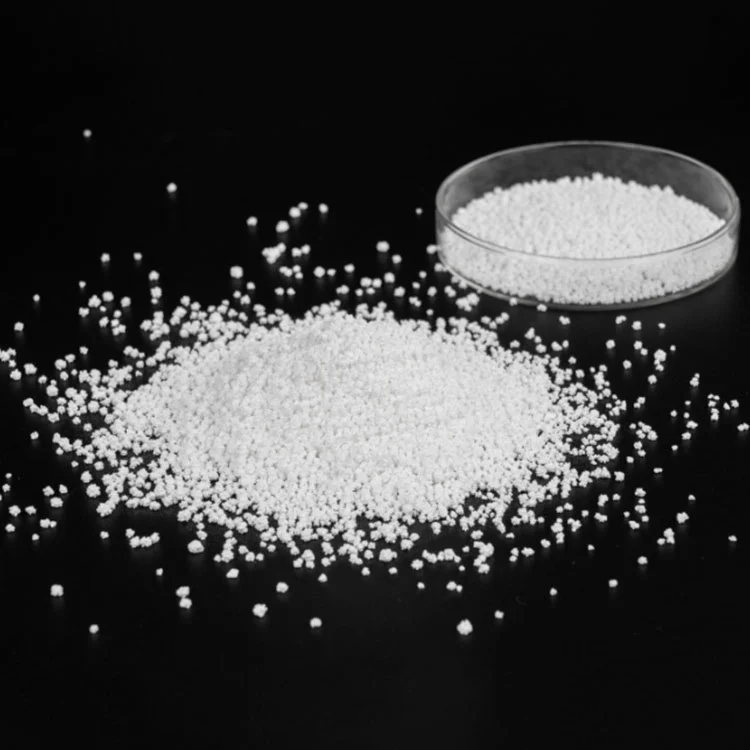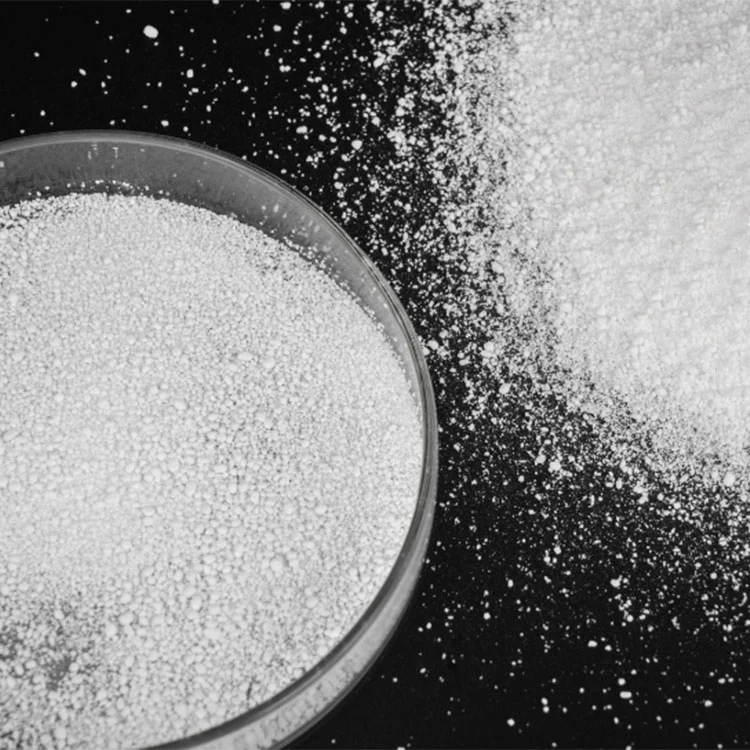


Quick answer. Sodium thiosulfate pentahydrate (Na₂S₂O₃·5H₂O, CAS 10102-17-7) is a colorless crystalline reducing agent used for chlorine removal, photographic fixing, silver recovery, chrome tanning, and aquaculture. It is supplied in photographic, industrial, and anhydrous grades and in 1–3 mm, 3–5 mm, and 5–8 mm granules. This guide walks through what each grade means, where the material is used, how to dose it for dechlorination, how to store it, and how to buy it in bulk without the common sourcing mistakes.
What Is Sodium Thiosulfate?
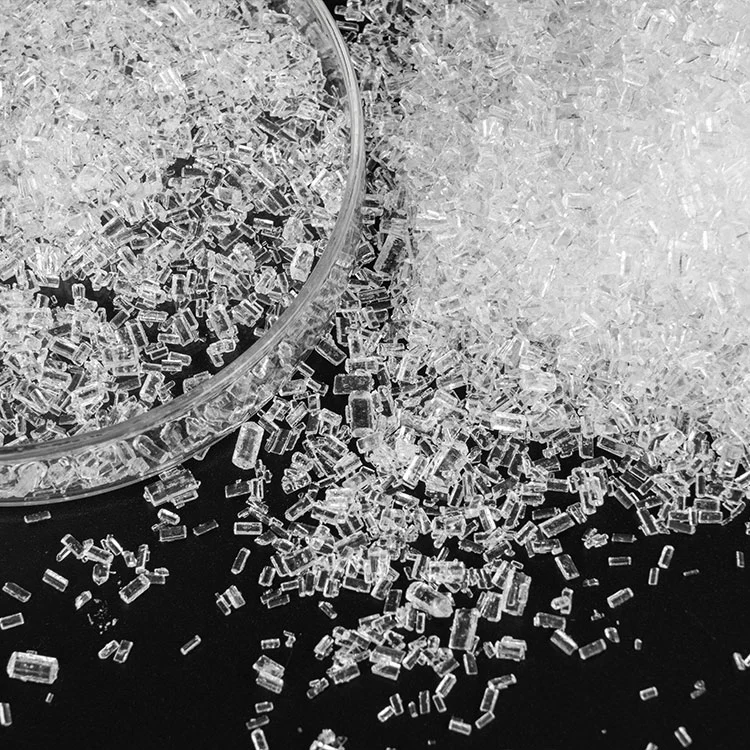
In short: sodium thiosulfate is a colorless, water-soluble crystal that acts as a strong reducing agent. The common commercial form is the pentahydrate (Na₂S₂O₃·5H₂O), also called sodium hyposulfite or "hypo."
Sodium thiosulfate pentahydrate is an inorganic salt built from two sodium ions and one thiosulfate ion. The thiosulfate ion is essentially a sulfate ion with one oxygen replaced by sulfur, and that single swap is what gives the compound its useful reducing and complexing behavior.
In practical terms, it dissolves readily in water and in turpentine but is only slightly soluble in ethanol. The water solution is weakly alkaline. In contact with strong acids it breaks down and precipitates sulfur, so it should never be stored or dosed alongside acids.
| Chemical name | Sodium thiosulfate pentahydrate |
|---|---|
| Other names | Sodium hyposulfite; "hypo" |
| Molecular formula | Na₂S₂O₃·5H₂O |
| Molecular weight | 248 |
| CAS No. | 10102-17-7 |
| EINECS No. | 231-867-5 |
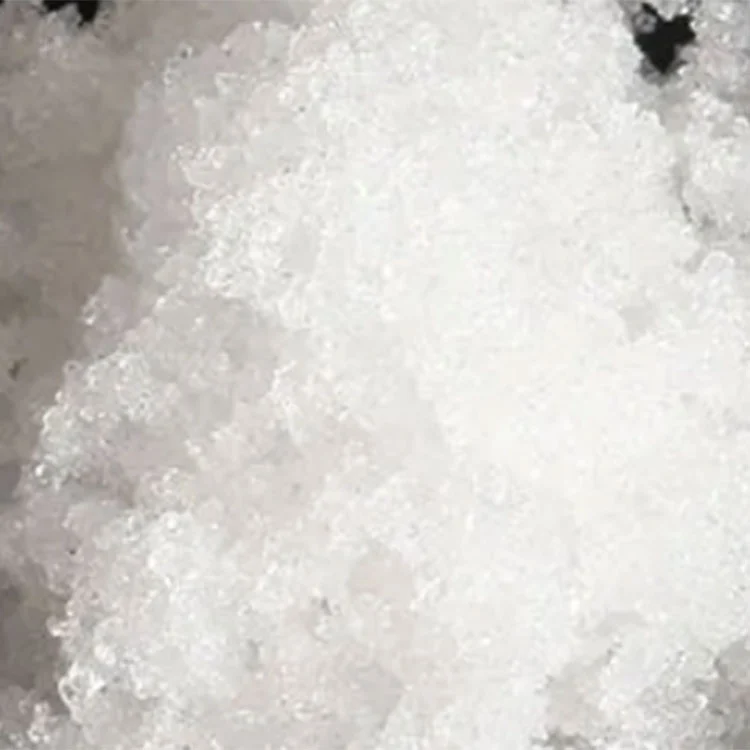
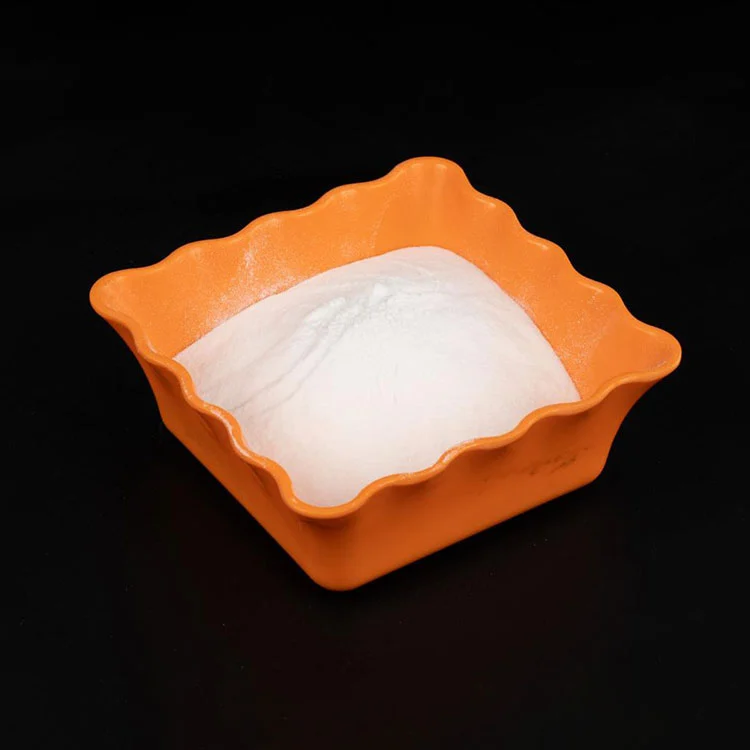
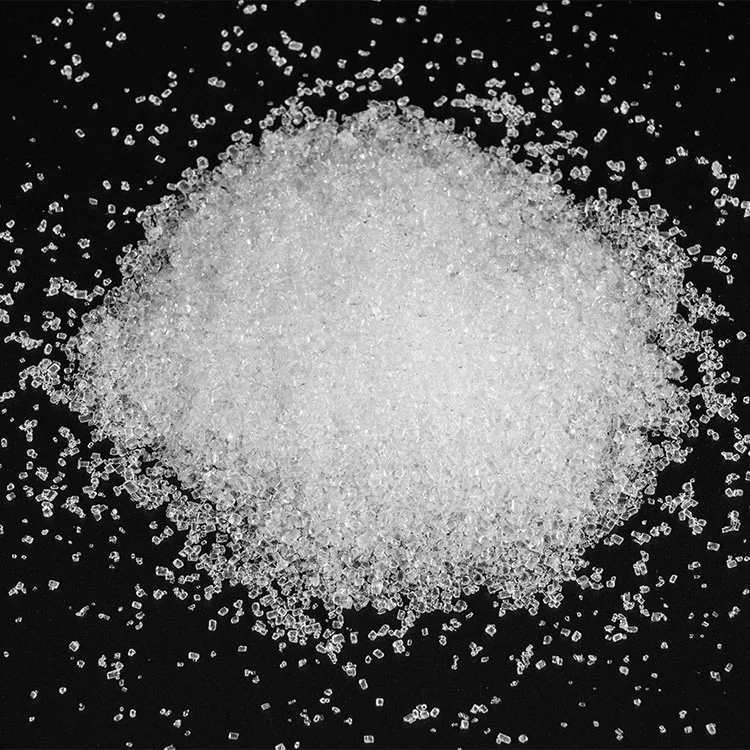
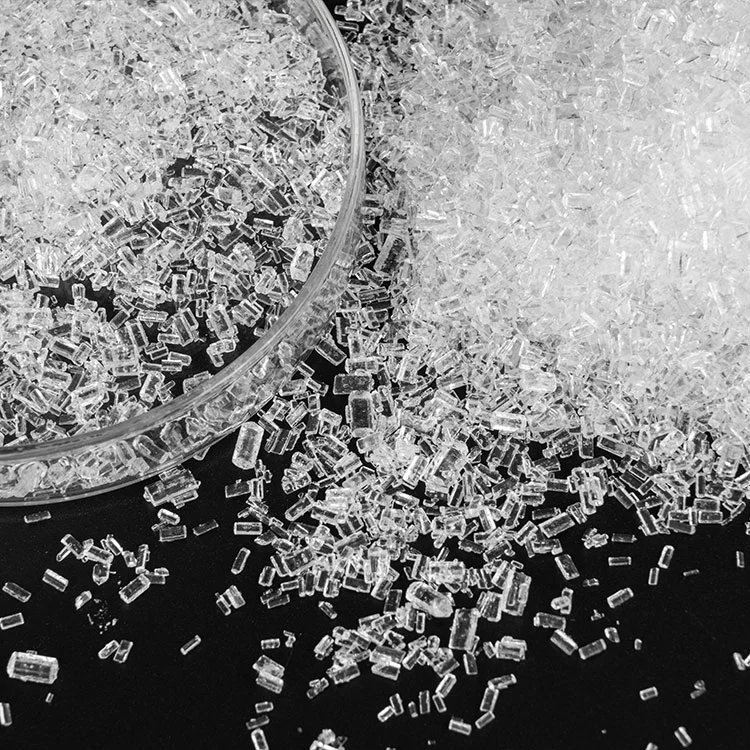
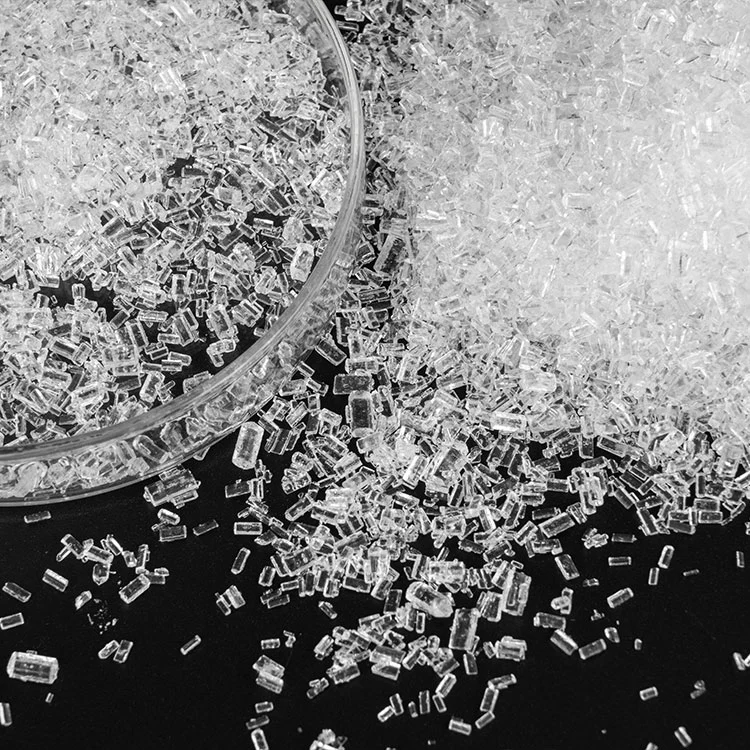
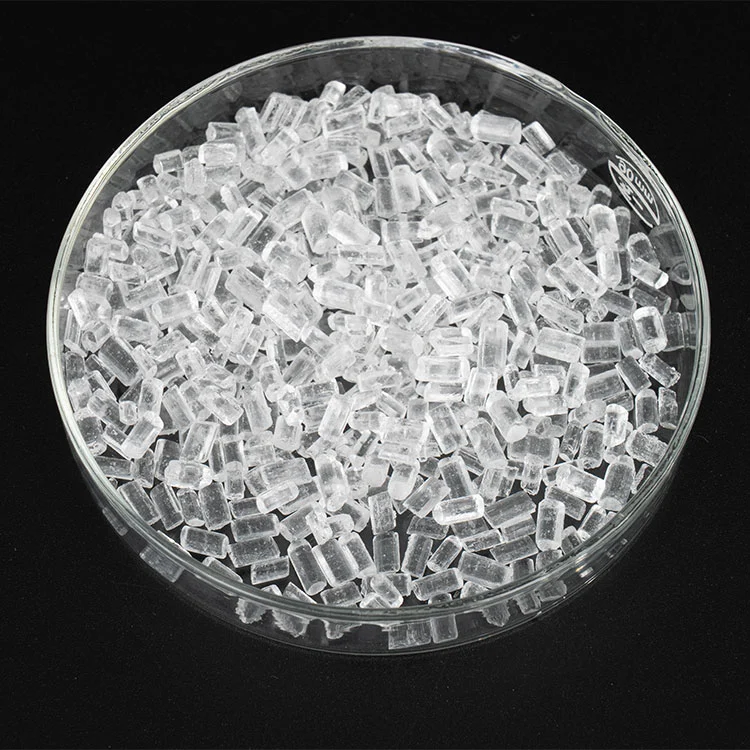
| Appearance | Colorless transparent monoclinic crystal |
| Specific gravity | 1.729 |
| Key behavior | Strong reducing agent; weakly alkaline in solution |
Photographic vs Industrial vs Anhydrous Grade: Which Do You Need?
In short: the grades differ mainly in assay and in iron (Fe) and sulfide limits. Photographic grade is the purest; industrial grade suits most bulk uses; anhydrous is a higher-concentration powder.
This is the part most listings skip. A page that only says "99% purity" tells a buyer almost nothing, because the impurity ceilings — not the headline assay — decide whether the material performs in a sensitive process. Iron and sulfide traces in particular affect photographic clarity and can interfere in analytical and electroplating work.
Below is our actual grade specification so you can match the material to the job rather than guessing.
| Item | Photographic grade | Industrial grade | Anhydrous grade |
|---|---|---|---|
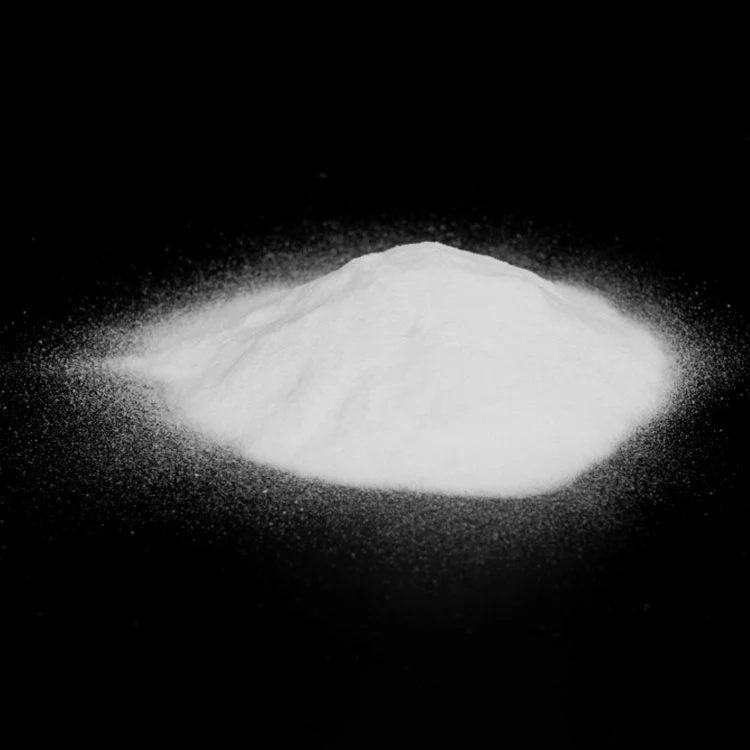
| Appearance | Colorless transparent crystal | Colorless transparent crystal | White powder |
| Assay | ≥ 99.00% | ≥ 98.5% | ≥ 97.0% |
| Water-insoluble matter | ≤ 0.01% | ≤ 0.03% | ≤ 0.03% |
| Sulfide | ≤ 0.001% | ≤ 0.003% | ≤ 0.001% |
| Fe | ≤ 0.001% | ≤ 0.003% | ≤ 0.005% |
| pH | 6.5–9.5 | 6.5–9.5 | 6.5–9.5 |
| Granularity (g/g) | 12–16 | — | — |
A simple rule of thumb: pick photographic grade where clarity and the lowest Fe/sulfide matter, industrial grade for water treatment, tanning, paper, and general processing, and anhydrous when you need a higher-concentration, lower-shipping-weight powder. If you are unsure, our team will match the grade to your process on request.
What Is Sodium Thiosulfate Used For?
In short: it works across water treatment, photography, mining, leather, paper, textiles, electroplating, and aquaculture — anywhere a controllable reducing or dechlorinating agent is needed.
The compound is a genuine multi-industry raw material. These are the applications we supply into most often:
- Water treatment & dechlorination — neutralizes free and combined chlorine after bleaching and in effluent, protecting downstream equipment and aquatic life.
- Photographic fixing — dissolves unexposed silver halides so images stabilize.
- Silver and gold recovery — used in the extraction of silver from ores and as a leaching agent.
- Leather (chrome tanning) — acts as a reducing agent for bichromate in tanning production.
- Aquaculture — conditions water by removing chlorine before stocking.
- Paper & textiles — serves as a decolorant and as a dechlorinating agent after bleaching of cotton fabrics and pulp.
- Electroplating and analytical work — used as a bath component and as an analytical reagent.
- Medical/technical — a detergent and disinfectant component; clinically it has anti-allergic use and is used against cyanide and arsenic poisoning.
If your process needs a milder or different sulfur-based reducer, it is worth comparing thiosulfate with sodium sulfite and sodium metabisulfite, which we also supply — each has a different reactivity and cost profile.
Sodium Thiosulfate for Dechlorination: How It Works and How to Dose It
In short: thiosulfate reduces chlorine and chloramine into harmless chloride. Dose scales with your chlorine load, water volume, and pH — chloramine needs more than free chlorine.
In dechlorination, thiosulfate reacts with residual chlorine and reduces it to chloride, which is why it is the active ingredient in many chlorine neutralizers used in municipal discharge, pool balancing, and fish-safe water conditioning. For dechlorination duty, our industrial (dechlorination) grade at 99% assay is the practical choice.
Getting the dose right is where buyers most often go looking for help — and where the public information is genuinely contradictory. As a starting reference, roughly 0.7 to 1 part sodium thiosulfate neutralizes 1 part free chlorine, with a higher dose for chloramine. Treat that as a starting point only.
For a worked look at thiosulfate specifically in water-treatment duty, see our companion piece: what makes 3–5 mm sodium thiosulfate ideal for industrial water treatment and dechlorination.
1–3 mm vs 3–5 mm vs 5–8 mm: Choosing the Right Granule Size
In short: smaller granules dissolve faster but carry more dust and caking risk; larger granules are cleaner to handle and better for metered feeders. Match the size to your dosing method.
Granule size is a practical decision that most suppliers never explain, yet it changes how the product behaves in your line. The trade-off is simple:
| Granule size | Dissolution | Handling | Best for |
|---|---|---|---|
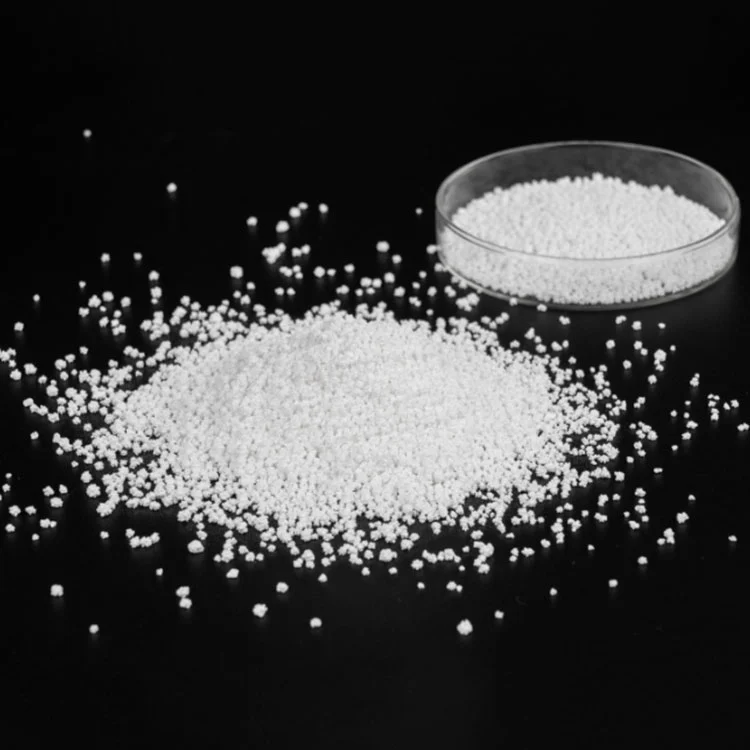
| 1–3 mm | Fastest | More dust; needs dry storage | Quick batch dosing, rapid make-up solutions |
| 3–5 mm | Balanced | Low dust, easy to pour | General water treatment and most processes |
| 5–8 mm | Slowest, steady | Cleanest handling | Continuous feeders, controlled slow release |
If you dose by hand into batches, the 3–5 mm size is the usual sweet spot. If you run a metered or continuous feed system, the 5–8 mm big granules give you a steadier, dust-free release. All three are the same pentahydrate to the same specification — only the physical form changes.
How to Store and Handle Sodium Thiosulfate Pentahydrate
In short: keep it cool, dry, and sealed, away from acids and oxidizers. Solid crystals keep for a long time; prepared stock solutions do not.
The pentahydrate holds water of crystallization, so heat and humidity are its two enemies. Stored warm or damp it can cake or slowly lose water, which changes how it doses. A few practical rules keep the material stable:
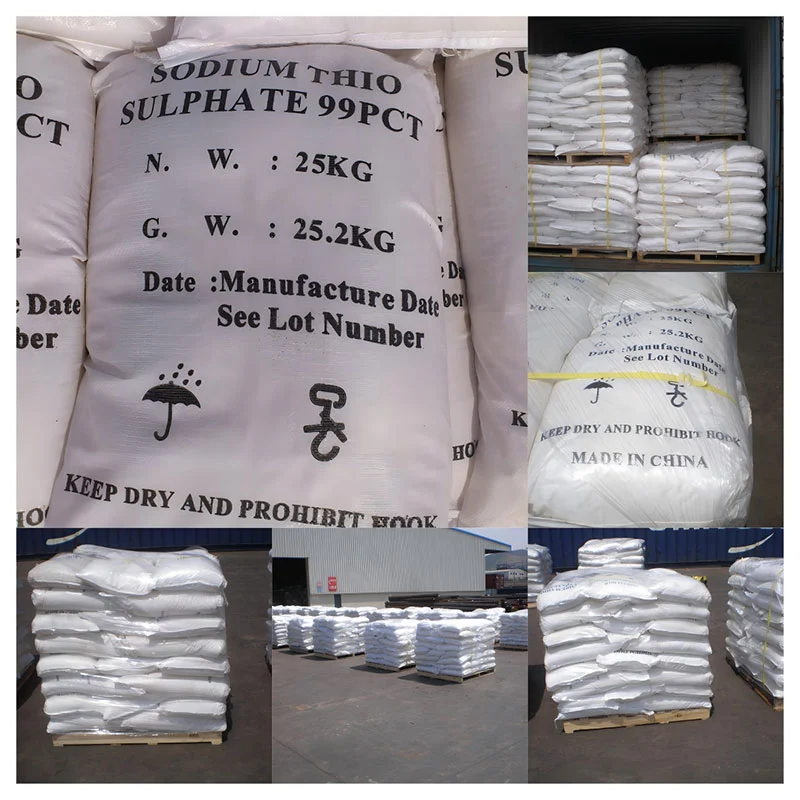
- Store in a cool, dry, well-ventilated area in sealed bags or containers.
- Keep well away from strong acids and strong oxidizers — contact with acid decomposes the material and releases sulfur.
- Solid crystals have a long shelf life when kept dry; prepared stock solutions are far more limited, so mix only what you will use.
- Follow the MSDS for personal protection; the dust can irritate eyes and airways.
How to Source Bulk Sodium Thiosulfate Pentahydrate from China
In short: look for a supplier that documents its grade, ships with COA and MSDS on every lot, and can handle the export and dangerous-goods paperwork end to end.
Ningbo V&S International Trade Shipping Co., Ltd. has exported sodium thiosulfate since 2004, with steady business in the USA, Brazil, South Korea, Japan, and Southeast Asia. Sodium thiosulfate pentahydrate is one of our primary export products, and we supply it against documented, verifiable specifications rather than a headline number.
What we build into every order:
- Grade you can verify — photographic, industrial, or anhydrous, matched to your process, with a Certificate of Analysis (COA) and MSDS per lot.
- Compliance backing — products tested to SGS, BV, and FAMI-QS standards; REACH- and TSCA-compliant documentation for import markets.
- Manufacturing depth — production backed by large-scale certified capacity (2,320,000 m² footprint; 150,000 MT annual output for key chemicals) for consistent batch supply.
- Full export logistics — sea, air, FCL, LCL, and dangerous-goods shipping handled in-house, with customs paperwork support.
- Flexible MOQ and packaging options to fit your volume.
Need a quote or a specification sheet?
Tell us your grade, granule size, and volume, and we'll send a price and a Certificate of Analysis. Free sample available on request.
Request a Quote →Common Mistakes When Buying Sodium Thiosulfate (and How to Avoid Them)
In short: most sourcing problems come from buying on the headline number alone. Check the impurity limits, the hydrate form, the granule size, and the paperwork.
After years of export orders, the same avoidable mistakes come up again and again. Watch for these:
- Buying on assay alone. "99%" is only half the story. If your process is sensitive, the Fe and sulfide ceilings decide performance — insist on the full spec, not just the purity headline.
- Confusing pentahydrate with anhydrous. They differ in assay, in weight basis, and therefore in dosing. Ordering the wrong form throws off your calculations and your freight.
- Sourcing from retail packs for an industrial job. Small consumer bags cost far more per kilo, vary between batches, and rarely come with a COA. For any real volume, buy bulk from a documented producer.
- No Certificate of Analysis or batch traceability. Without a per-lot COA you cannot calculate dosing accurately or defend a compliance audit.
- Ignoring granule size. The wrong size clogs feeders or creates dust. Match the size to your dosing method — see the granule table above.
The through-line is simple: a supplier that publishes real grades, ships a COA with every lot, and can advise on granule size and dosing is worth more than a lower number with no documentation behind it.
Frequently Asked Questions
Is sodium thiosulfate pentahydrate the same as anhydrous sodium thiosulfate?
No. The pentahydrate (Na₂S₂O₃·5H₂O) is the crystalline form that includes water of crystallization, while the anhydrous form is a white powder without it. They differ in assay and weight basis, so dosing must be recalculated if you switch between them.
What grade of sodium thiosulfate do I need for dechlorination?
For water treatment and dechlorination duty, industrial (dechlorination) grade at 99% assay is the practical choice. Photographic grade, with its lower iron and sulfide limits, is reserved for clarity-sensitive applications such as photographic fixing.
How much sodium thiosulfate is needed to remove chlorine?
As a starting reference, roughly 0.7 to 1 part sodium thiosulfate neutralizes 1 part free chlorine, with a higher dose required for chloramine. Actual dosing depends on chlorine concentration, water volume, temperature, and pH, so confirm the rate with a bench test before scaling up.
What granule sizes are available, and which should I choose?
V&S supplies 1–3 mm, 3–5 mm, and 5–8 mm granules. Smaller granules dissolve faster but carry more dust; larger granules handle cleaner and suit continuous feeders. The 3–5 mm size is the usual choice for general water treatment.
What is the shelf life of sodium thiosulfate pentahydrate?
Solid crystals keep for a long time when stored cool, dry, and sealed. Prepared stock solutions are far more limited, so only mix the quantity you will use. Keep the material away from strong acids and oxidizers.
Can V&S provide a COA and MSDS and ship as dangerous goods?
Yes. We supply a Certificate of Analysis and MSDS with every lot, provide REACH- and TSCA-compliant documentation, and handle sea, air, FCL, LCL, and dangerous-goods shipping in-house with customs support.