

Dechlorination is verified by testing the treated water, not by confirming that sodium thiosulfate entered the tank. Measure the chlorine form that controls the process, use a method with a suitable reporting range, analyze promptly, and compare the result with the facility's documented limit. If chloramine may be present, include total chlorine; free chlorine alone can miss combined residual.
Measure, adjust, mix and verify
A calculation gives a starting dose. The downstream result tells the operator whether the chemical, equipment and contact conditions worked together.
Free, combined and total chlorine answer different questions
If both free and total chlorine are measured by compatible procedures, combined chlorine is commonly estimated as total chlorine minus free chlorine. A negative calculated value is not chemically meaningful; it usually points to method uncertainty, timing differences, sample handling or a result close to the method's resolution.
Free chlorine can be enough for a known free-chlorine stream. When chloramine is possible, total chlorine gives a more complete release check. Regulatory or contractual monitoring must follow the method and limit stated by the governing document.
Why DPD testing is widely used
EPA sampling guidance identifies DPD colorimetry as a common approach for free and total chlorine. The analyst adds the specified reagent to a known sample volume and measures the pink color with a comparator or photometer.[1] The instrument or kit instructions control reagent order, reaction time, sample volume and reading range.
Chlorine residual is not a good candidate for delayed laboratory testing. EPA guidance calls for immediate on-site analysis, while an EPA field-screening procedure requires free or total residual chlorine measurements within 15 minutes of collection.[1][2]
Record the instrument, method, range and reporting limit. A low-level discharge or sensitive culture system may require a method designed for lower residuals than a general-purpose field kit.
| Check | What can go wrong | Control |
|---|---|---|
| Sample timing | Residual changes while the bottle waits. | Analyze immediately at or near the sampling point. |
| Correct reagent | Free and total chlorine packets are confused. | Label procedures and verify reagent type before use. |
| Reaction time | The color is read too early or too late. | Use a timer and follow the method exactly. |
| Clean cell | Residue, scratches, droplets or fingerprints affect light transmission. | Use clean matched cells and wipe the exterior. |
| Measurement range | High samples read falsely low or low residuals fall below resolution. | Dilute only as the approved method allows or select a suitable range. |
| Verification | Meter drift or reagent deterioration goes unnoticed. | Run the required blank, standards and quality-control checks. |
Video: free chlorine residual analysis
Build a sampling plan around the actual process
A single reading at a convenient tap may not represent the treatment result. The plan should connect samples to a decision: establish incoming demand, confirm chemical contact, release a batch, adjust a continuous feed or demonstrate compliance.
- Define the acceptance criterion. Use the applicable permit, process specification, culture requirement or approved SOP.
- Choose the chlorine tests. Include total chlorine when combined residual may be present.
- Select representative points. At minimum, know the residual before dosing and after adequate mixing and contact.
- Confirm method range and quality control. The method must distinguish the target from its own reporting limit.
- Record operating conditions. Log flow or batch volume, product form, COA assay, stock strength, pump output and contact time.
- Set the response to a failed result. Hold, recirculate, adjust or divert water according to the approved operating plan.
For continuous analyzers, EPA Method 334.0 describes residual chlorine measurement using online instruments and requires comparison to approved grab-sample methods for performance verification.[3] An online trend is valuable, but it does not remove the need for calibration, maintenance and independent checks.
Interpret results without guessing
| Result pattern | What it suggests | Next check |
|---|---|---|
| Free detectable, total detectable | Dechlorination is incomplete for the measured stream. | Verify dose, mixing, contact time and source residual before adjustment. |
| Free not detected, total detectable | Combined chlorine may remain or the methods differ in sensitivity. | Confirm chloramine use, total-chlorine method and reporting range. |
| Both below the required reporting limit | The tested sample meets the analytical criterion used for that check. | Confirm the sample point and criterion also satisfy the operating or permit requirement. |
| Total lower than free | Likely analytical variation, timing mismatch or procedural error. | Repeat with fresh samples and review reagents, timing, cells and instrument checks. |
| Residual cycles with pump operation | Poor feed pacing, pump calibration or mixing may be involved. | Compare analyzer trend with flow, pump stroke and grab results. |
Do not keep increasing sodium thiosulfate only because a test result is confusing. First confirm the sample, method and reagent. Overfeed wastes product and can affect downstream oxidation-reduction conditions, so the operating target should be controlled rather than treated as “as much as possible.”
Connect the test result to chemical preparation
A correct test can still expose a mechanical problem. If the residual rises while the calculated dose has not changed, verify the actual source chlorine, solution concentration, tank level, mixer operation, pump calibration and injection point.
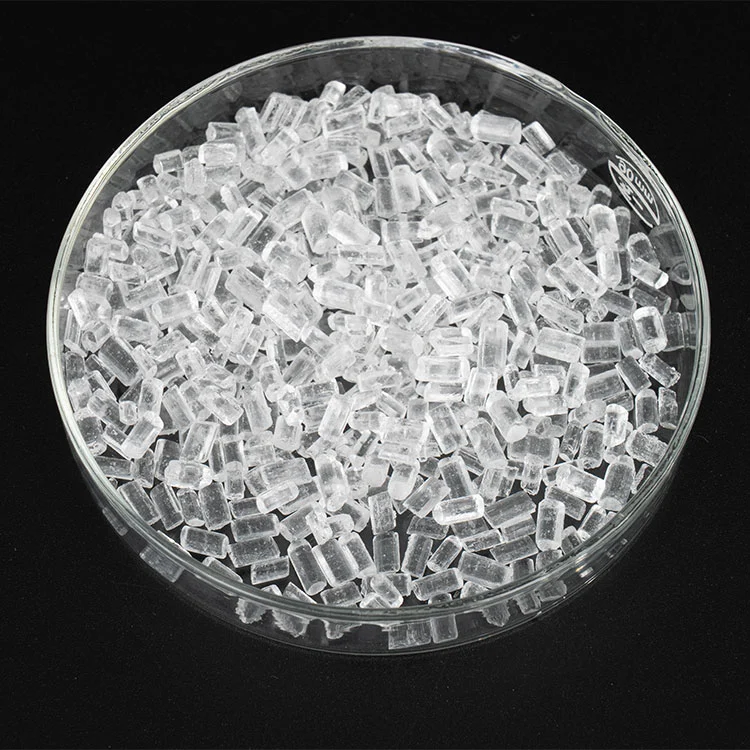
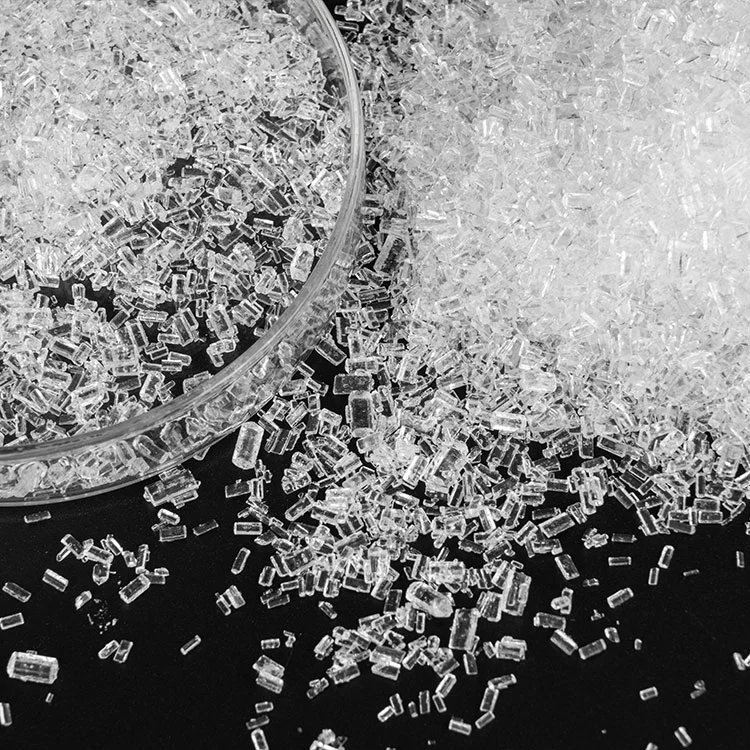
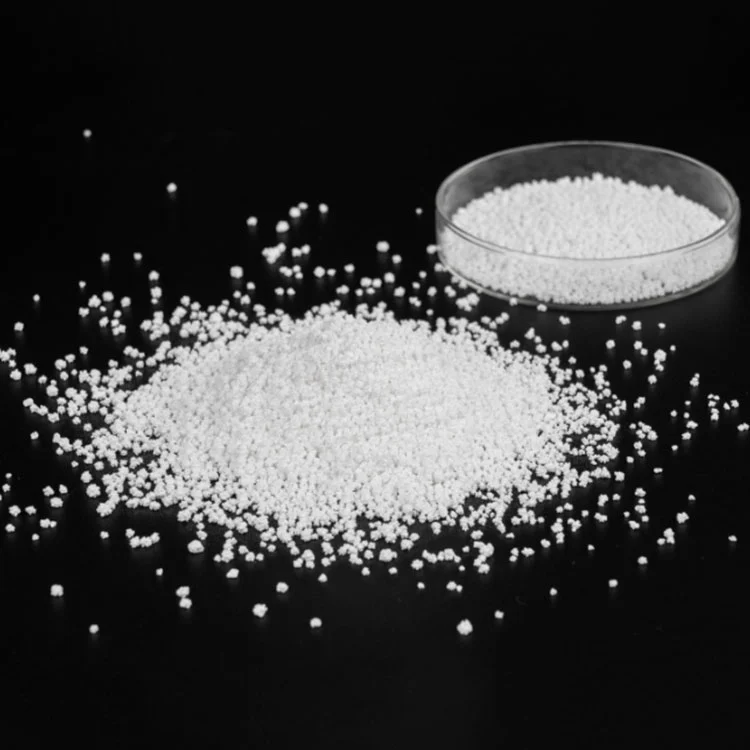
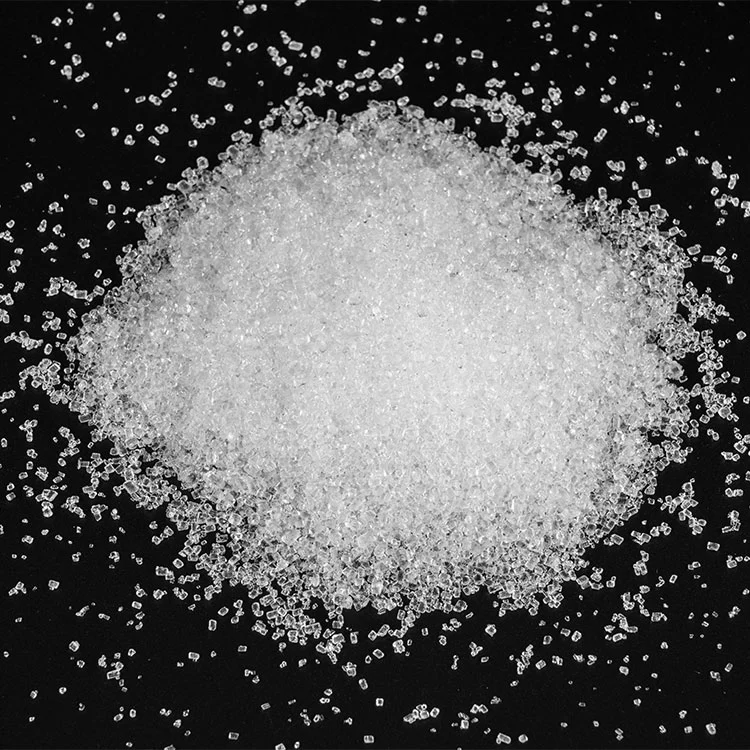
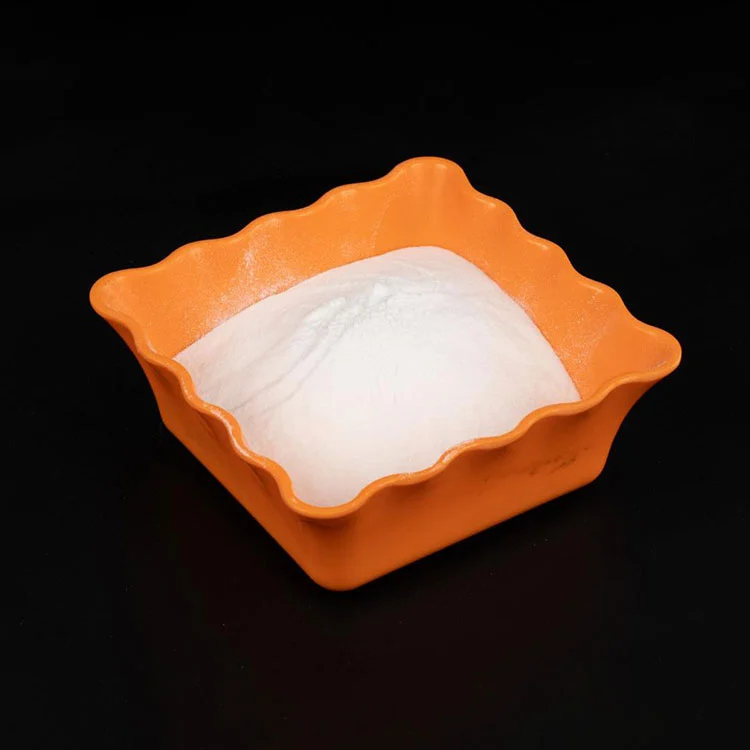
Use the dose-calculation guide for the chemical basis, then follow the stock-solution guide for batch preparation. If material form is uncertain, compare pentahydrate and anhydrous sodium thiosulfate before changing bag weight.
Troubleshoot the measurement before changing the dose
The color is above the comparator range
Treat the result as over-range, not as the top printed value. Use the approved dilution or higher-range procedure, then apply the correct dilution factor.
The result changes on repeat tests
Collect fresh samples and keep timing identical. Check reagent expiry and storage, cell cleanliness, meter verification, bubbles, turbidity and whether the sample point receives a fully mixed stream.
The online analyzer and grab test disagree
Compare sample locations and timestamps first. Then check analyzer flow, reagents, zero, calibration, maintenance status and the grab method's quality-control results.
Free chlorine is zero but total chlorine remains
Combined chlorine is a likely explanation when chloramine is present. Confirm the source disinfectant and use total-chlorine results to guide the approved response.
Dechlorination testing questions
Is a free-chlorine test enough after sodium thiosulfate dosing?
Only when the process is known to contain free chlorine and the approved monitoring plan uses that result. If chloramine or combined residual may be present, include total chlorine.
What does “zero chlorine” mean on a field kit?
It usually means the result is below the kit's displayed range or reporting limit. Record that limit instead of claiming absolute absence.
Can ORP prove that dechlorination is complete?
ORP can provide a useful process trend, but it is not a chlorine-specific result. Verify completion with the chlorine method required by the facility or permit.
How quickly should a chlorine sample be tested?
Test immediately on site whenever possible. EPA guidance treats disinfectant residual as an immediate analysis, and an EPA field procedure requires measurement within 15 minutes of collection.
Why can total chlorine read lower than free chlorine?
Total chlorine should not be chemically lower than free chlorine in the same sample. A small reversal commonly indicates method uncertainty, different timing, reagent problems or procedural error. Repeat both tests with fresh samples.
Match sodium thiosulfate to your dosing and test plan
Send V&S Chem the required product form, assay, granule size, packaging, quantity and destination. For process context, include the measured free and total chlorine range, flow or batch volume, stock concentration and dosing equipment.
Send your enquiry