

Do not approve sodium thiosulfate from the assay number alone. First match the certificate to the ordered chemical form, formula, CAS number, grade and particle form. Then compare every reported result with the limits in the purchase specification: assay is normally a minimum, while water-insoluble matter, sulfide and iron are maximums. Finally, check pH against its permitted range and make sure the document belongs to the delivered batch.
A COA is useful only when the comparison basis is clear
“Sodium thiosulfate 99%” is not a complete buying description. A defensible review connects the batch result to the exact hydrate form, grade, impurity limits and granule requirement stated in the order.
Start by confirming the product identity
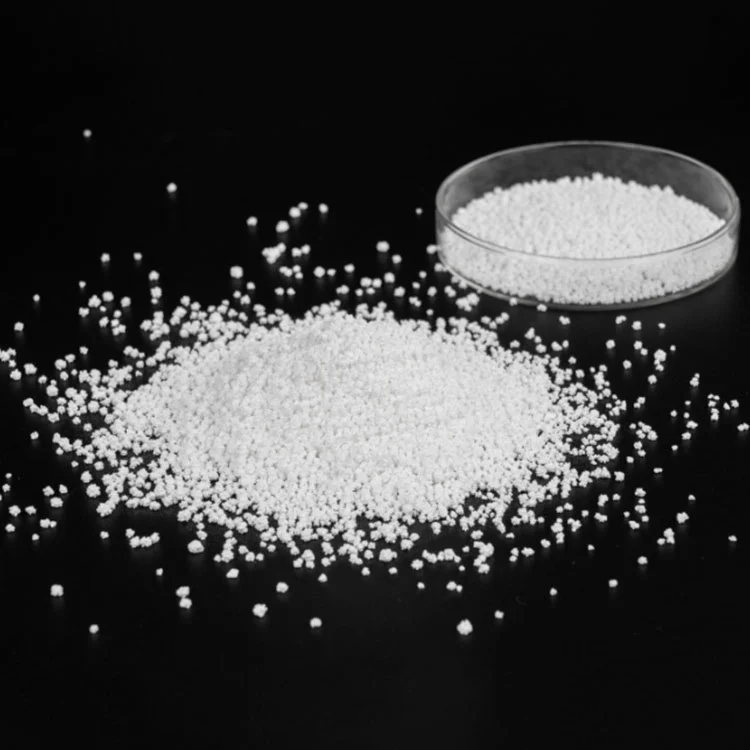
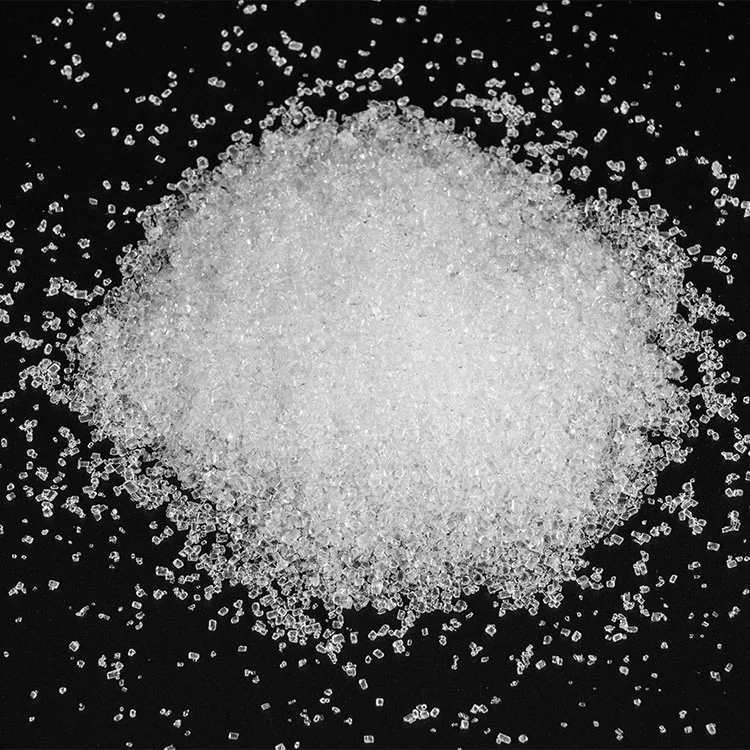
V&S product pages for the 1–3 mm, 3–5 mm and 5–8 mm products identify the material as sodium thiosulfate pentahydrate. They publish the same formula, molecular weight, CAS number and EINECS number.[1][2][3] Use those fields to catch a hydrate-form or document mismatch before comparing percentages.
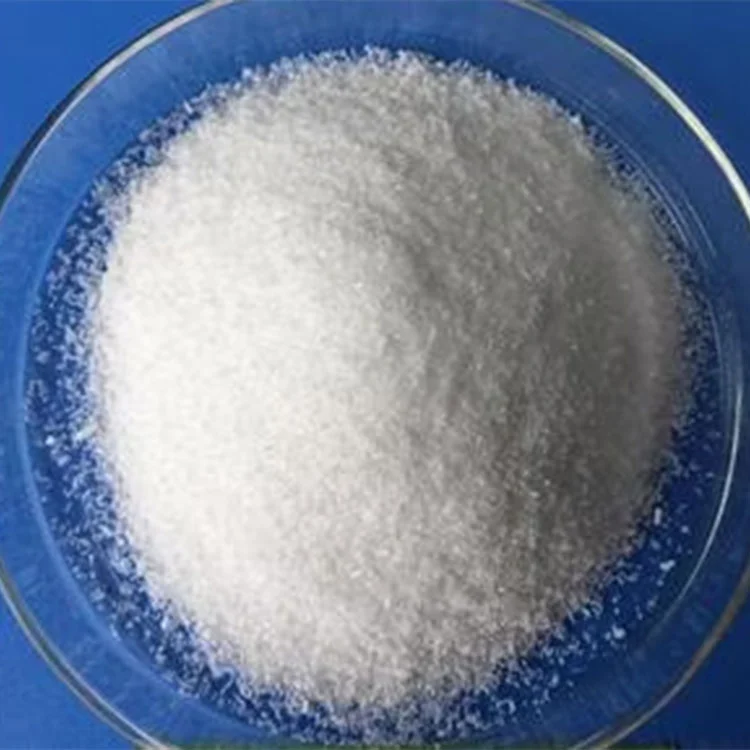
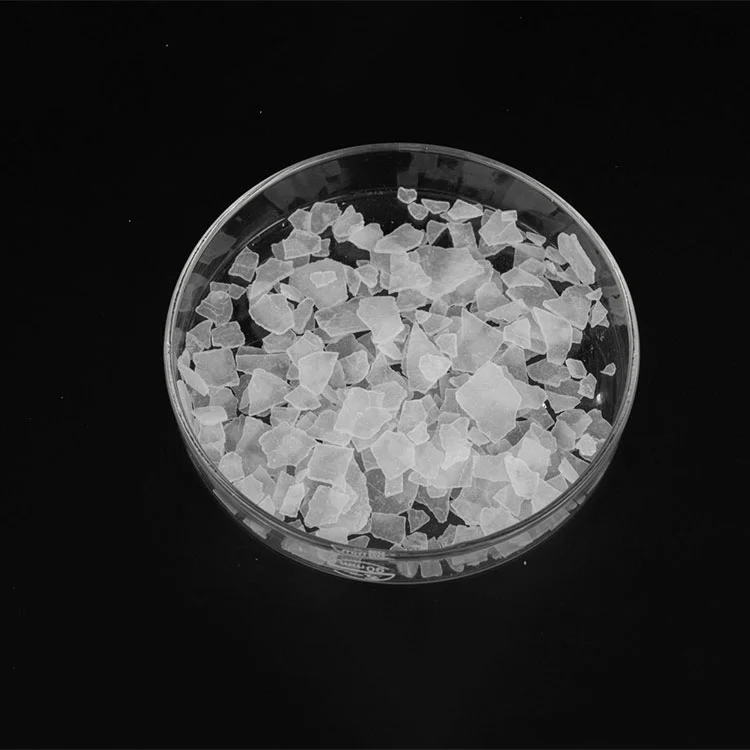
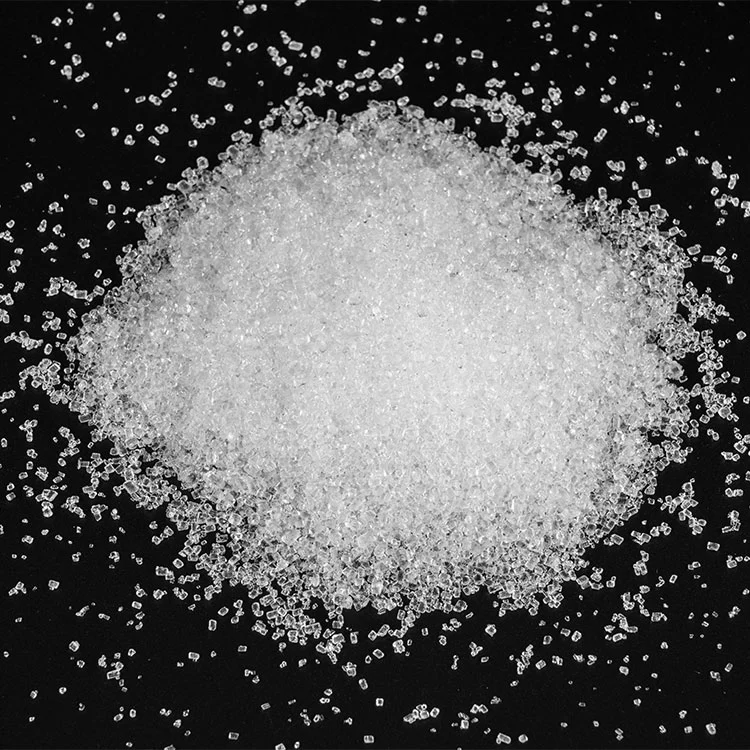
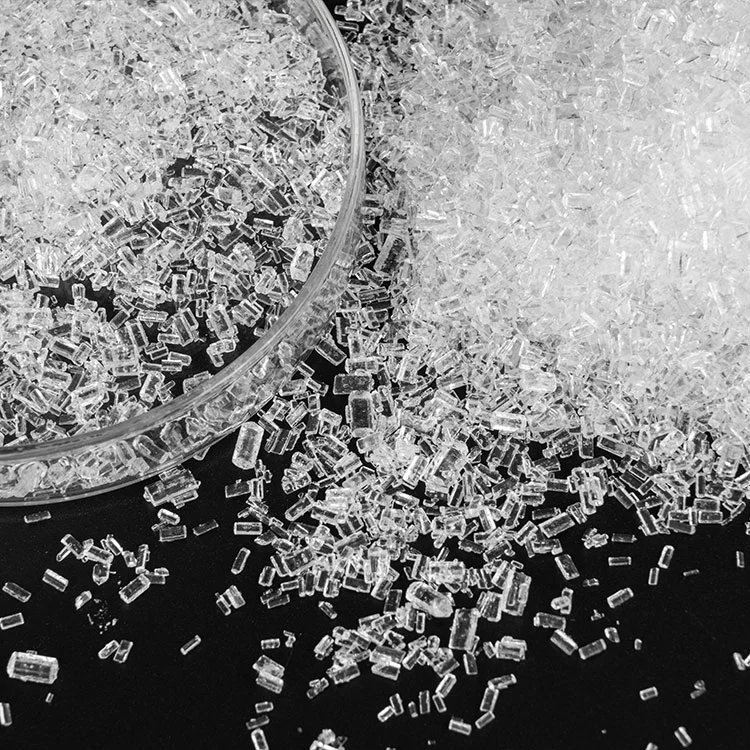
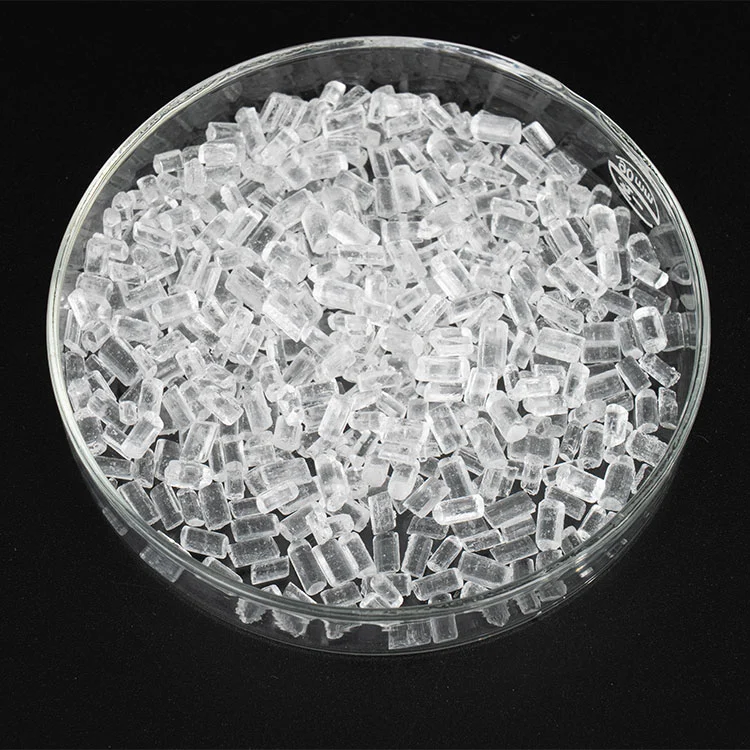
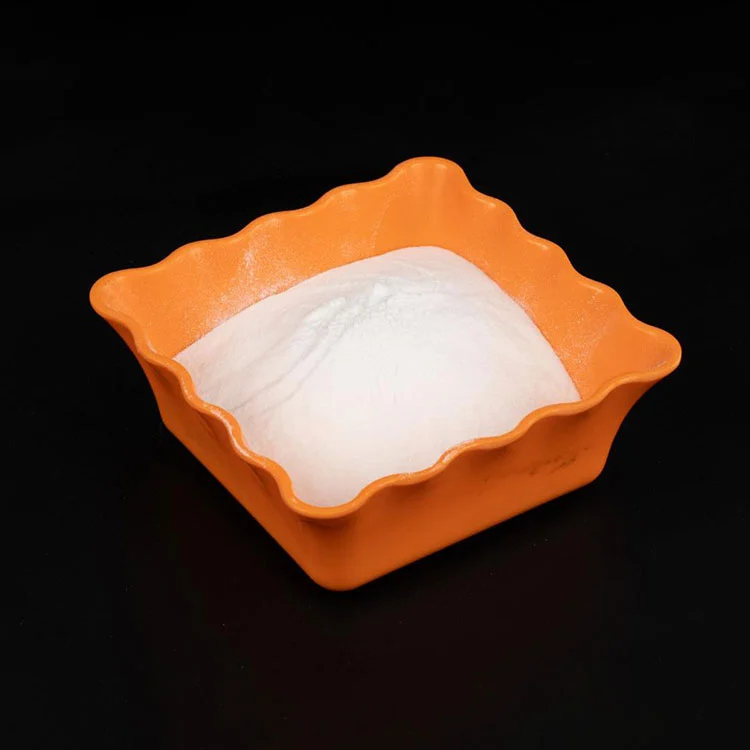
The V&S grade table describes the pentahydrate grades as crystals and the anhydrous grade as white powder. If the form on the bag, order and COA does not match, stop the percentage comparison and resolve the product identity first. The pentahydrate-versus-anhydrous guide covers that form decision in detail.[5]
Review the COA in a fixed order
A fixed sequence prevents a good-looking assay result from hiding a wrong grade, wrong hydrate form or missed impurity limit. The order below uses the fields published on V&S product and grade pages.
Minimum limits
A result must be at or above the stated value. In the V&S tables, assay is presented as a minimum.
- 99% min means 99.00% passes
- 98.90% does not meet a 99% minimum
Maximum limits and ranges
A maximum cannot be exceeded. A range requires the result to sit between both limits.
- 0.01% max accepts 0.01% or below
- pH 6.5–9.5 requires both boundaries to be met
Use the exact product-page limits for the quoted product
The current V&S 1–3 mm sodium thiosulfate pentahydrate page publishes a compact specification for its 99% small-granule product. The 3–5 mm and 5–8 mm pages publish the same five numerical limits.[1][2][3]
| COA field | Published V&S product-page limit | How to screen a reported result |
|---|---|---|
| Sodium thiosulfate assay | 99% min | Passes at 99.00% or higher |
| Water-insoluble substance | 0.01% max | Passes at 0.01% or lower |
| Sulfide (Na2S) | 0.001% max | Passes at 0.001% or lower |
| Iron (Fe) | 0.002% max | Passes at 0.002% or lower |
| pH | 6.5–9.5 | Passes only inside the published range |
Label note: the compact product table prints “sulphate (Na2S),” while the detailed grade table labels the Na2S field “Sulfide.” This guide uses the detailed table’s field name. Confirm the wording and test method on the current specification supplied with the quotation.
The compact product listing above gives Fe at 0.002% max. The separate grade table below gives different Fe limits for photographic, industrial and anhydrous grades. The right acceptance limit is the one written into the approved quotation, purchase specification and current COA basis.
Compare the published grade table field by field
V&S publishes a second table that separates photographic, industrial and anhydrous grades. It should be read as a grade comparison, not silently merged with the compact 99% product listing.[1] The complete sodium thiosulfate buyer’s guide also reproduces the grade values for buyers comparing forms and applications.[4]
| Published item | Photographic grade | Industrial grade | Anhydrous grade |
|---|---|---|---|
| Appearance | Colorless transparent crystal | Colorless transparent crystal | White powder |
| Assay | ≥99.00% | ≥98.5% | ≥97.0% |
| Water-insoluble matter | ≤0.01% | ≤0.03% | ≤0.03% |
| Sulfide | ≤0.001% | ≤0.003% | ≤0.001% |
| Fe | ≤0.001% | ≤0.003% | ≤0.005% |
| pH | 6.5–9.5 | 6.5–9.5 | 6.5–9.5 |
| Water-solution reaction | In accordance with the test | In accordance with the test | — |
| Granularity (g/g) | 12–16 | — | — |
The current V&S table labels one field “Granularity (g/g)” and publishes 12–16 for photographic grade. Because that label is not the same as the separate 1–3 mm, 3–5 mm and 5–8 mm product sizes, request the current specification and test definition before interpreting the value or unit.
What each field tells the buyer
Identity and active content
- Appearance: checks that crystal or powder form agrees with the quoted grade.
- Assay: shows whether the reported content reaches the published minimum.
- pH: is judged against the 6.5–9.5 range shown for all three published grades.
Impurity controls
- Water-insoluble matter: uses a maximum limit, not a target value.
- Sulfide: has different maxima across the three published grades.
- Fe: also varies by grade and should never be copied from a different column.
Screen a COA result against V&S published limits
This browser tool contains only the limits shown in the two V&S tables above. Choose one comparison set, enter the values reported on the COA and leave any unavailable field blank.
COA limit checker
Quick screening for assay, insolubles, sulfide, Fe and pH.
Screening only. A blank result is not a pass. Final acceptance must use the current agreed specification, the COA’s stated method and basis, and the delivered batch identity.
Keep grade and granule size as separate decisions
V&S publishes pentahydrate products in three screened size ranges: 1–3 mm, 3–5 mm and 5–8 mm.[1][2][3] The size range describes physical form. The grade table separately controls assay, insolubles, sulfide, iron, pH and appearance.
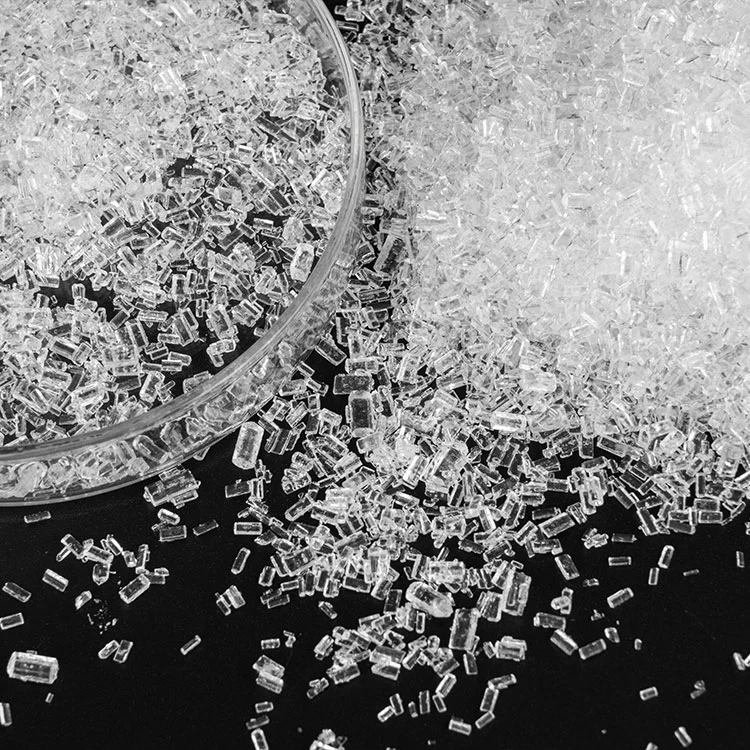
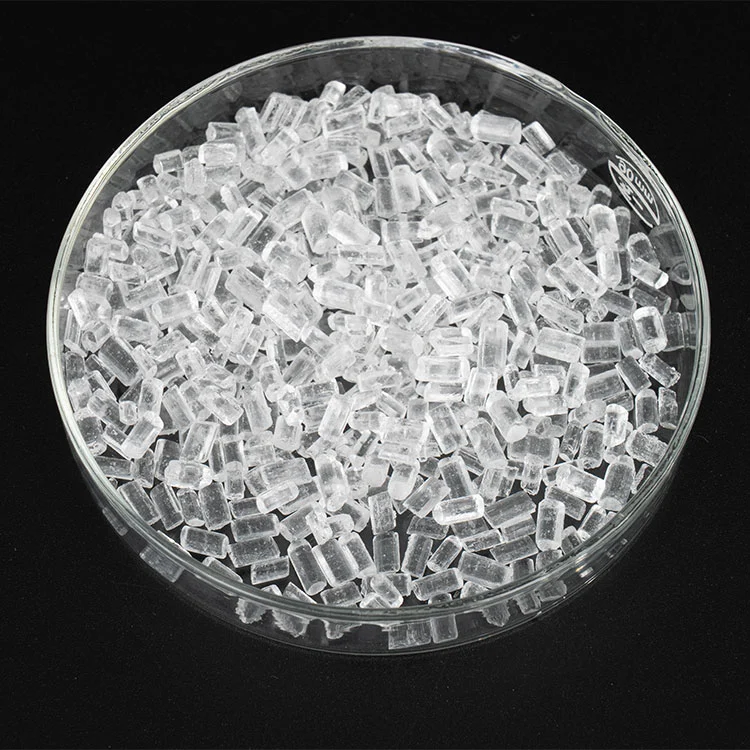
If particle behavior affects the process, put the required range in the RFQ and purchase order instead of expecting the assay line to identify it. The V&S granule-size guide compares the three physical forms.
Write the RFQ so the COA can answer it
A certificate cannot prove compliance with a requirement that was never defined. Give the supplier one clear comparison basis before quotation and ask for the current specification for the exact product being offered.
- Full chemical name
- Pentahydrate or anhydrous form
- CAS number
- Required grade
- Assay minimum and reporting basis
- Water-insoluble maximum
- Sulfide maximum
- Iron maximum
- Required pH range
- Powder or granule-size range
- Application and dosing method
- Packaging and pallet requirement
- Order quantity
- Destination
- Current specification, COA and SDS request
If the quotation cites the compact 99% product listing, do not replace its Fe limit with the photographic-grade limit during receipt. If the order calls for photographic grade, do not approve it against the industrial column. Resolve the specification version before shipment, not after a batch arrives.
Sodium thiosulfate COA questions
Is a 99% assay enough to approve sodium thiosulfate?
No. The V&S published specifications also include water-insoluble matter, sulfide, Fe, pH and appearance. The chemical form, grade and particle form must match the order before the assay result is meaningful.
Can pentahydrate and anhydrous sodium thiosulfate use the same COA limits?
Do not assume they can. The V&S grade table lists pentahydrate grades as colorless transparent crystals and anhydrous grade as white powder, with different published assay and Fe limits. Use the specification for the exact form ordered.
Which Fe limit should a buyer use?
Use the Fe limit in the current approved specification for the exact quoted product. The V&S compact 99% product listing shows 0.002% max, while the published grade table shows 0.001% for photographic, 0.003% for industrial and 0.005% for anhydrous grade. Do not mix those comparison sets.
Does the assay confirm the granule size?
No. V&S publishes separate 1–3 mm, 3–5 mm and 5–8 mm pentahydrate products. State the required physical range separately in the RFQ and order.
What should happen when a COA field is blank?
Treat it as not reviewed, not as a pass. Ask for the missing result or written clarification against the agreed specification before accepting the batch.
Request the specification for the exact sodium thiosulfate product
Send V&S Chem the required hydrate form, grade, granule size, impurity limits, packaging, quantity and destination. Ask for the current specification, representative COA and SDS so your technical team can compare the same fields before ordering.
Contact V&S Chem