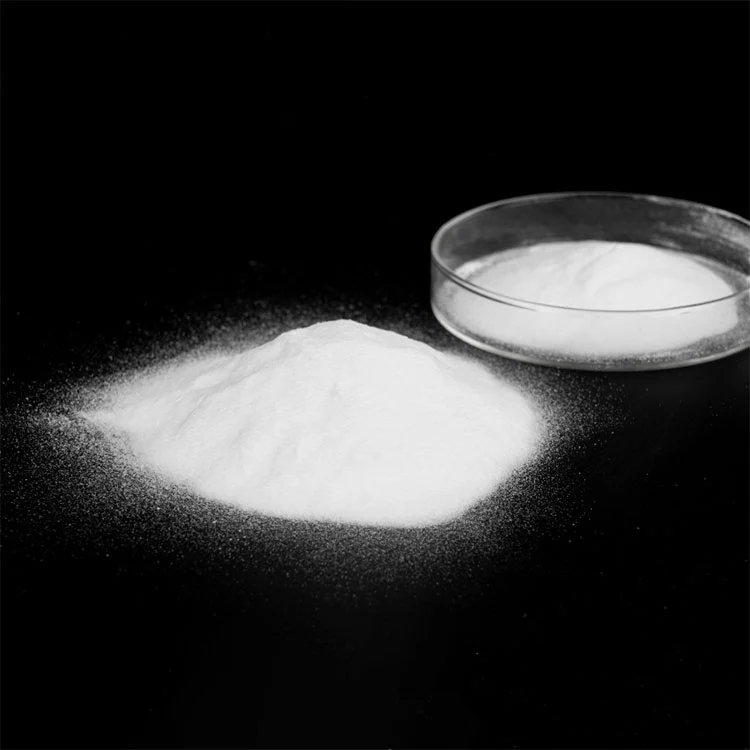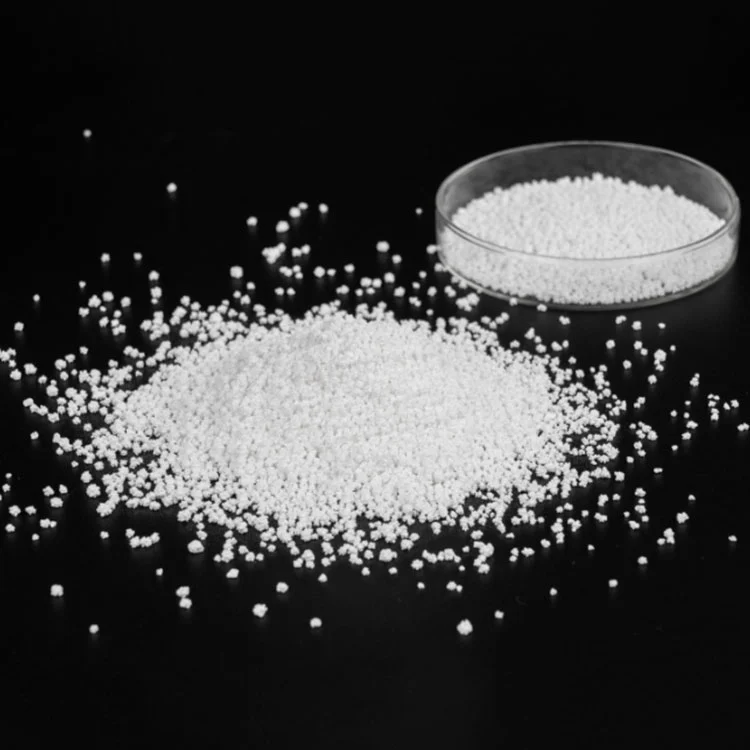

Every food manufacturer wants the same outcome: products that stay safe, taste right, look appealing, travel well, and arrive on the shelf in the same condition they left the factory. That sounds simple until heat, moisture, oxidation, microbial growth, ingredient instability, and transport conditions start working against you. This is where food additives become practical tools rather than abstract ingredients. Used correctly, they help solve real production problems, protect product quality, and support stable large-scale supply.
This article explains how food additives help manufacturers solve common production and supply challenges, from shelf-life pressure and batch inconsistency to flavor drift and export readiness. It breaks down the main functional categories, shows where buyers often make costly mistakes, and outlines what to look for in a reliable supplier. It also explains why working with a steady partner such as Ningbo V&S International Trade Shipping Co., Ltd. can make purchasing decisions more practical, efficient, and safer for long-term growth.
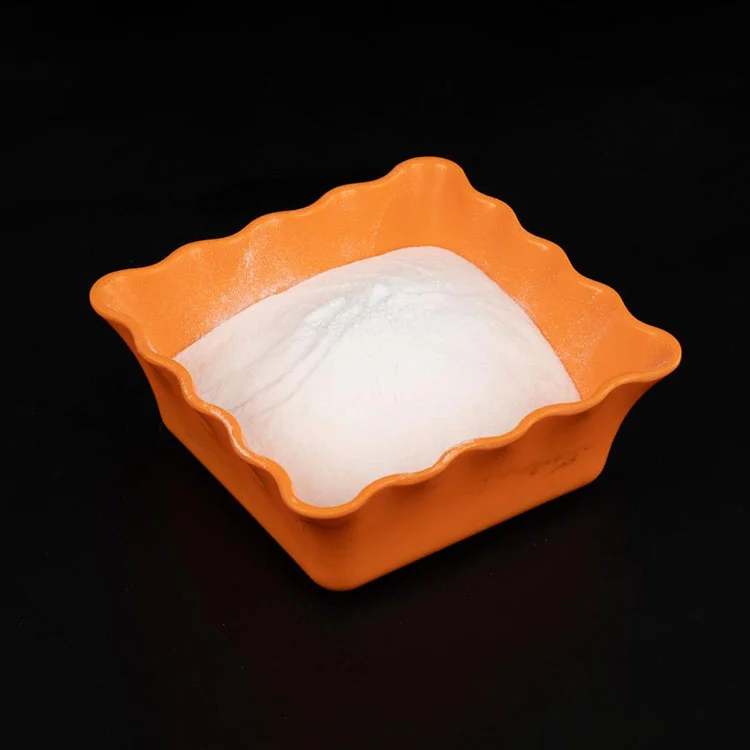
Food additives are substances used in small amounts to achieve a technical purpose during processing, packaging, storage, or transportation. In everyday manufacturing terms, they help food businesses control risks that naturally appear once production moves beyond a small kitchen scale. A beverage may lose clarity, a bakery product may mold too quickly, a dairy formula may separate during storage, or a sauce may drift in acidity from one batch to the next. These are not minor issues. They affect cost, reputation, customer trust, and reorder rates.
The most useful way to understand food additives is not by chemistry alone, but by outcome. A manufacturer does not buy an ingredient just because it exists. The manufacturer buys it because it helps protect texture, slow spoilage, support flavor consistency, improve handling, or keep a product stable through shipping and retail display. In that sense, food additives are working tools for maintaining reliable product performance.
When buyers evaluate a food-grade material, the real question is rarely “What is this called?” The better question is “What problem will this solve inside my process?” That shift in thinking helps companies purchase more wisely and avoid paying for materials that look acceptable on paper but fail under real production conditions.
Buyers in the food sector usually come to the market with a problem before they come with a formula. They may be expanding into new channels, preparing for export, reformulating for a longer shelf life, or replacing an unstable supplier. The pain points are familiar across categories, even when the products differ.
These issues explain why purchasing teams increasingly look beyond unit price. A cheap material that causes one failed production run is often more expensive than a stable material with a slightly higher quoted price. For many businesses, the true cost sits in rework, delayed shipments, rejected goods, lost shelf space, and damaged customer confidence.
Practical truth: the right food additive does more than support a recipe. It protects margins by reducing instability where manufacturers can least afford it.
Different applications require different functional solutions, but most purchasing discussions fall into a few core categories. The table below makes those categories easier to compare from a business perspective.
| Category | Main Function | Common Buyer Concern | Business Value |
|---|---|---|---|
| Preservatives | Inhibit microbial growth and slow spoilage | How can we extend shelf life without compromising product quality? | Lower returns, safer storage, stronger market reach |
| Acidity Regulators | Adjust and stabilize pH | How do we maintain flavor profile and process consistency? | Better taste control and improved production stability |
| Sweeteners | Provide sweetness or balance flavor | How do we achieve taste targets efficiently? | Flexible formulation and cost-conscious flavor management |
| Color and Flavor Support | Improve visual and sensory appeal | How do we keep products attractive across batches? | More consistent presentation and stronger consumer acceptance |
| Stabilizers | Maintain structure, texture, and suspension | How do we prevent separation or texture failure? | Smoother processing and more dependable finished products |
| Processing Aids | Support efficiency during production | How do we improve process performance without creating downstream issues? | Higher yield, smoother operation, lower production friction |
For example, a preservative is not just about keeping mold away. It can support wider shipping distances, longer warehouse holding times, and lower complaint rates in difficult climates. An acidity regulator is not just about pH. It may influence flavor perception, preservative performance, and overall process control. A stabilizer is not just a texture tool. It can reduce separation that would otherwise make a product look defective on the shelf.
That is why buyers should evaluate each additive based on the role it plays in a full commercial chain, not in isolation.
The smartest buyers do not begin with catalog browsing. They begin with application clarity. Before comparing offers, it helps to answer a few operational questions:
After that, the supplier discussion becomes much more useful. Instead of asking only for a quote, buyers can ask how the material performs in the intended application, how batch consistency is controlled, and whether documentation and traceability support long-term cooperation.
This is also where supplier experience starts to matter. A company with practical exposure to global markets can often help buyers avoid missteps that are not obvious at the purchasing stage. Ningbo V&S International Trade Shipping Co., Ltd., for example, positions its food additive offering around stability, application suitability, and dependable supply. That matters because many buyers do not fail from choosing the wrong category. They fail from choosing a product that cannot deliver steady performance over time.
A dependable supplier is not defined by claims alone. Buyers need signals that show whether the supplier can support real-world production demands. Those signals often include the following:
In food production, trust is built in the small details: repeat orders that perform the same way, responses that are clear rather than vague, and materials that support efficiency instead of forcing constant rework. A reliable supplier becomes part of the buyer’s quality system, even if indirectly.

Many losses in ingredient sourcing are avoidable, but only if buyers recognize the warning signs early. The most common mistakes include:
| Common Mistake | What Happens Next | Better Approach |
|---|---|---|
| Choosing by lowest price only | Batch instability, production issues, higher hidden cost | Compare overall performance, consistency, and supply security |
| Ignoring end-use conditions | Material performs poorly during storage or transport | Evaluate the ingredient under realistic commercial conditions |
| Overlooking supplier responsiveness | Slow problem-solving when production issues arise | Work with suppliers that communicate clearly and practically |
| Treating all additives as interchangeable | Unexpected formulation problems and inconsistent results | Choose products based on application fit, not category name alone |
| Buying without long-term planning | Supply gaps and repeated sourcing disruptions | Select suppliers able to support stable repeat business |
The pattern is simple: when buyers focus only on the front-end quote, they often pay for it later through instability. When they evaluate additives as performance tools within a larger production chain, results usually improve.
Are food additives always necessary?
Not every product needs the same level of functional support, but in modern manufacturing, many products rely on carefully selected additives to maintain safety, quality, stability, and repeatability at scale.
Do food additives only matter for shelf life?
No. Shelf life is important, but additives also support texture, flavor balance, pH control, appearance, processing efficiency, and batch-to-batch uniformity.
What is the biggest buying mistake in this category?
A narrow focus on price. A lower quote can become expensive fast if the product introduces instability, complaints, or reformulation delays.
Why does supplier stability matter so much?
Because even a strong formulation becomes vulnerable when raw materials vary between shipments. Stable supply and consistent quality help protect production schedules and finished product performance.
What should buyers discuss before placing an order?
They should clarify product application, storage conditions, expected shelf life, process requirements, and repeat-order expectations. Those points lead to much better purchasing decisions.
Food additives are not just supporting materials. They influence how confidently a manufacturer can produce, store, transport, and sell a product in the real market. The best purchasing decisions come from understanding the actual pain point, matching it to the right functional solution, and working with a supplier that values consistency as much as the buyer does.
If your team is reviewing ingredient options for preservation, stability, acidity control, or broader food-grade raw material sourcing, this is the right time to move beyond basic quotations and focus on what will truly work inside your process. Ningbo V&S International Trade Shipping Co., Ltd. can support businesses looking for dependable food additive solutions with practical supply thinking and long-term cooperation in mind.
Ready to improve product stability, shelf performance, and supply confidence?
Whether you are refining an existing formula or sourcing for a new food project, contact us to discuss a more reliable food additive solution for your business.
Contact Us