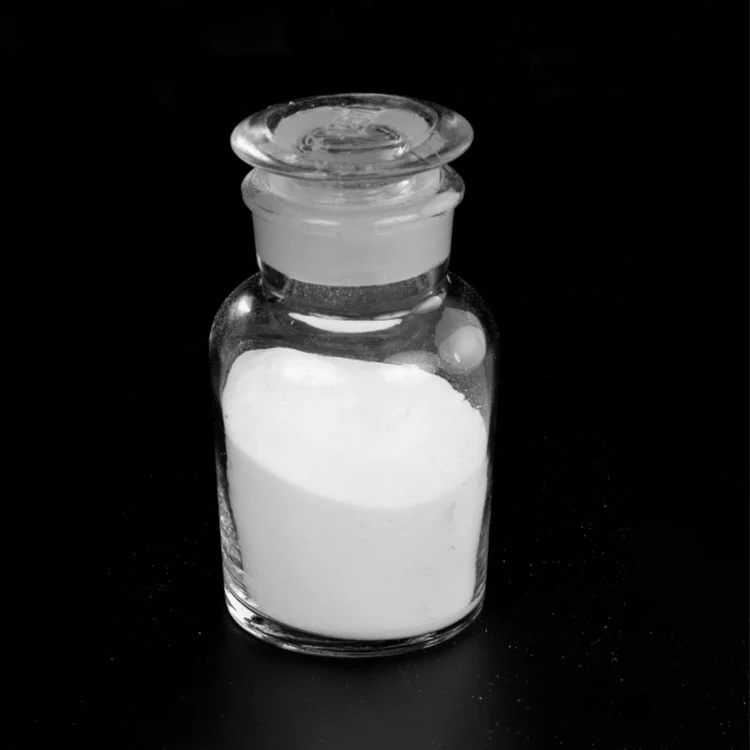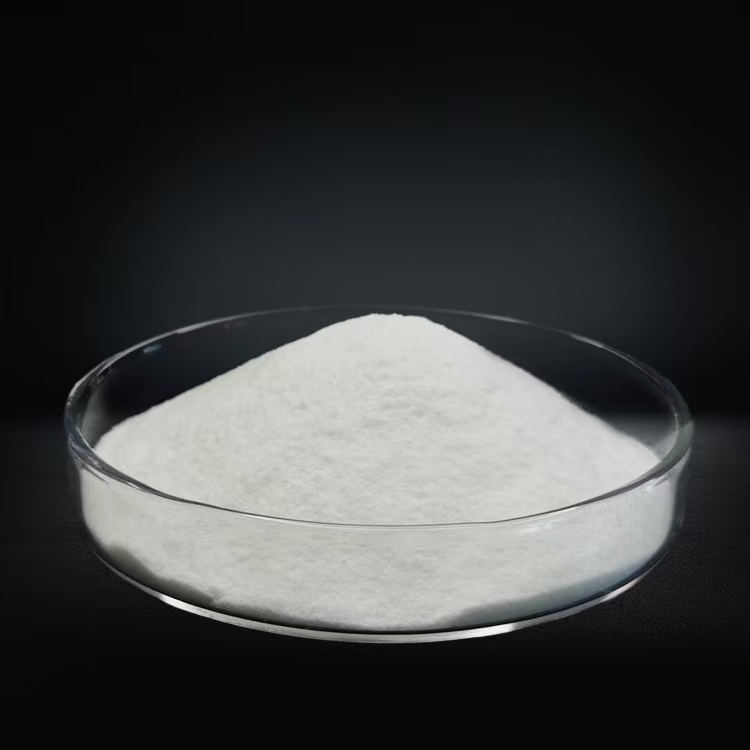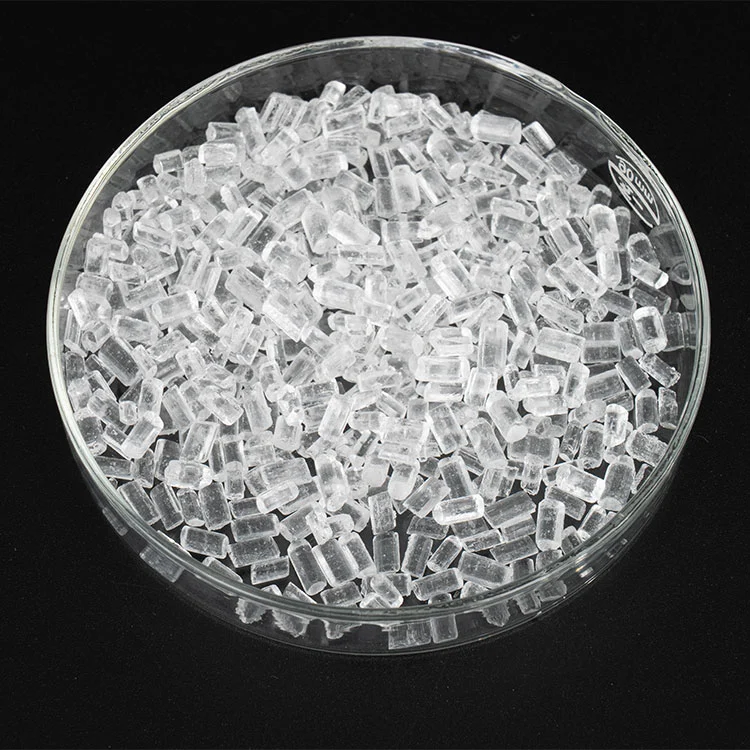


Before releasing bulk sodium thiosulfate to inventory, match the shipment to the order and batch COA, inspect package condition, and complete the required sampling and tests. Keep damaged or unidentified packages on hold. Record the decision by lot so warehouse receipt and authorization for production remain clear.
Keep the shipment condition linked to the lot
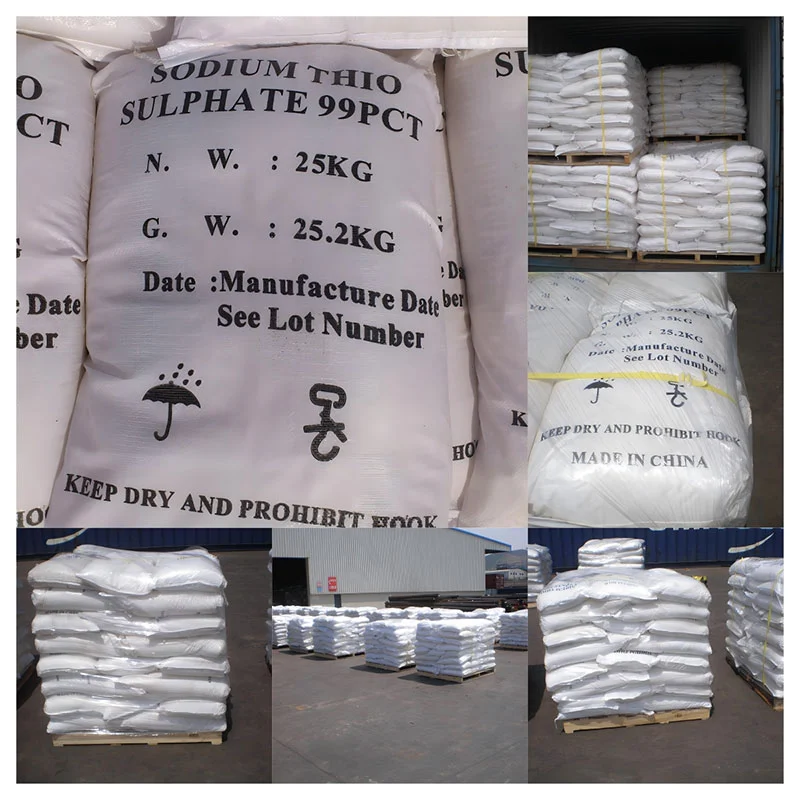
Photograph the delivery before moving questionable packages. Record where damage appears, retain the original labels and keep each lot identifiable through inspection.
That record helps the quality team decide which material can be released and which needs further investigation.

Match the order, package labels and COA
Begin with the purchase specification approved for this order. Match its chemical name, hydrate form, grade and particle requirement to the label and supporting documents. V&S identifies sodium thiosulfate pentahydrate as Na2S2O3·5H2O, CAS 10102-17-7, on its 3-5 mm product page.
A COA is useful when its batch identity can be connected to the delivered material. If a delivery contains several lots, record them separately and establish which document covers each one. Resolve an unreadable or missing lot number before treating the package as approved stock.
| Record | Compare against | Reason to hold |
|---|---|---|
| Product name and form | Purchase specification, package label and COA | Different hydrate form or inconsistent identity |
| Lot or batch number | Package marking and batch document | No clear connection between the material and the COA |
| Grade and particle form | Order and current specification | Unapproved grade, powder or granule substitution |
| Quantity and package type | Packing list and order | Unresolved shortage, damaged pack count or packaging difference |
| Required documents | Order requirements and receiving procedure | Missing COA, SDS or another required record |
The V&S COA guide explains how to compare assay and impurity results with their limits. Receiving inspection adds the physical link between that document and the bags on the dock.
Inspect packaging before opening bags
V&S's storage and caking guide recommends photographing shipment condition and isolating packages that show wetting, tearing, staining or lost identification. Check the pallet as well as the bag: a wet or collapsed pallet can help explain where the exposure occurred.
Look for a damage pattern
Record whether the issue affects one closure, one pallet edge, a lower layer or several pallets. Photograph intact labels and damaged areas together where possible, then identify the packages held for review.
Keep the affected material separate from normal inventory. A package that looks dry after unloading still needs its observed delivery condition recorded.
Check the liner when access is authorized
An intact outer bag does not confirm that the liner is closed and undamaged. During approved opening or sampling, check for a split liner, contamination, foreign matter or an unexpected product condition.
Caking needs investigation. The V&S storage guide explains that a lump alone does not prove an assay failure. Check moisture exposure, package damage, the test plan and the intended feeder before deciding whether the material is suitable for use.
Check physical form separately from chemical acceptance
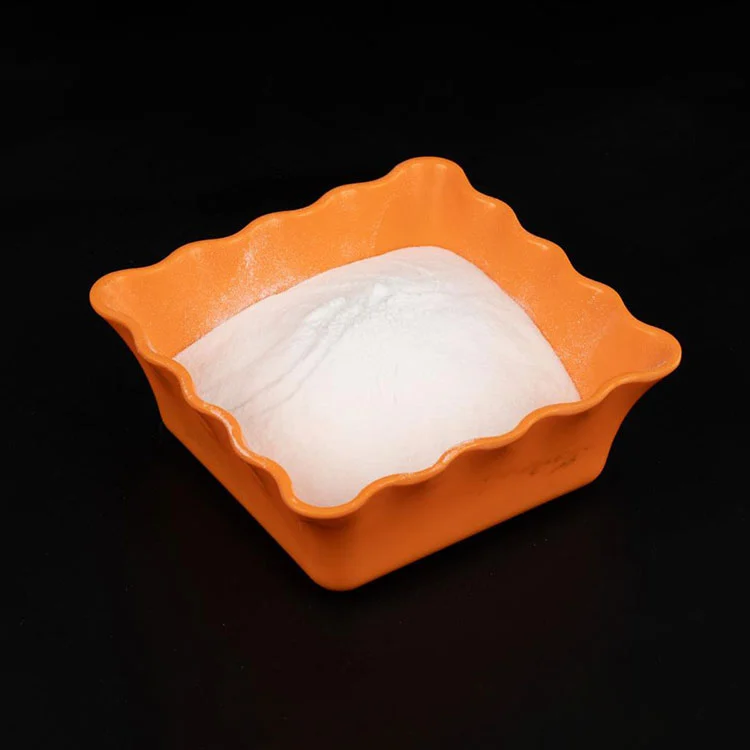
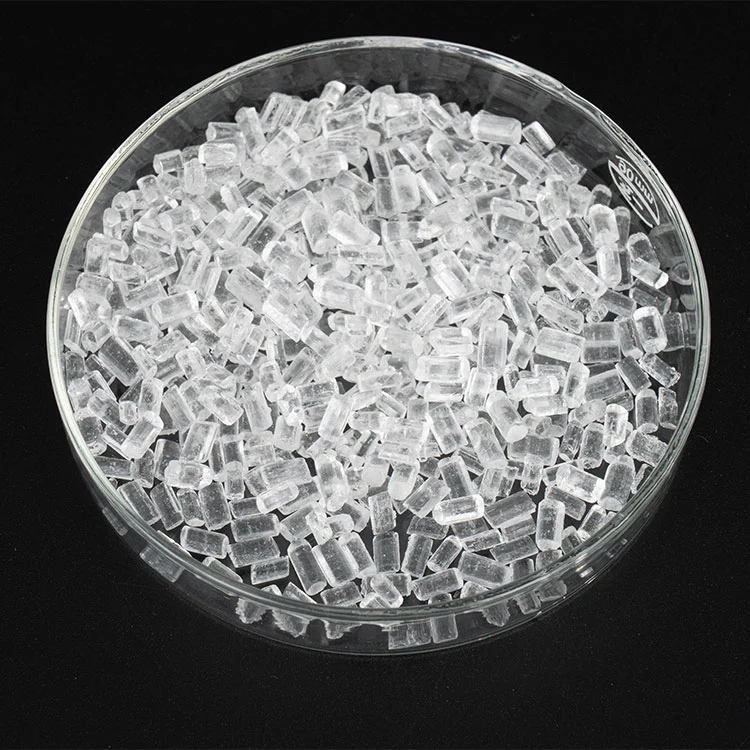
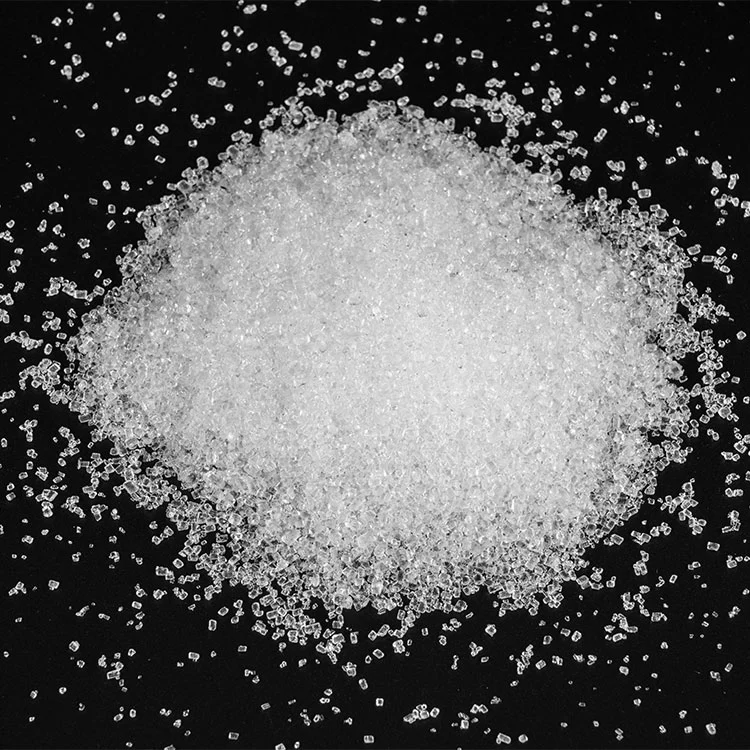
V&S lists pentahydrate in 1-3 mm, 3-5 mm and 5-8 mm sizes. Its granule-size guide describes their different dissolution and handling behavior. Confirm the ordered range even when the chemical name and assay match.

Appearance cannot certify particle size
Use the product photograph and approved reference to identify an obvious mismatch. Use the agreed measurement or screening method when particle size is an acceptance requirement. A photograph has no reliable scale for releasing a lot against a size limit.
Confirm hydrate form before substitution
The pentahydrate-versus-anhydrous guide explains why these forms require different masses. If the delivered form differs from the order, obtain a technical disposition before changing a stock-solution recipe or feeder setting.
Define what the sample represents
Before opening material, establish the lot being assessed, the packages included and the tests required by the approved sampling plan. A sample record should allow the laboratory result to be traced back to those packages.
Keep damaged packages identifiable during the investigation. If samples from different lots or package conditions are combined, the resulting test cannot identify which individual lot or package caused a difference. Follow the approved plan for individual samples, composites and retained samples.
Record the sample identity
- Product name, form and lot
- Packages or locations sampled
- Sample date and sampler
- Package condition at sampling
- Sample container identification
- Requested tests and specification version
Protect the remaining stock
Use clean, dry tools and compatible sample containers under the site's approved procedure. Preserve the original lot identification and reseal any opened liner and outer bag.
The V&S partial-bag guidance covers tool cleanliness, resealing, opening dates and retaining lot information.
Choose sample quantity, package selection and retention conditions through the facility's sampling procedure. A convenient scoop from the easiest bag is not a substitute for a plan that represents the material being released.
Compare results with the specification named in the order
Use the same limits for document review and laboratory acceptance. The compact specification on the V&S 3-5 mm product listing publishes the following values:
| Field | Published limit | Receiving check |
|---|---|---|
| Sodium thiosulfate content | 99% minimum | Confirm assay definition and reporting basis. |
| Water-insoluble substance | 0.01% maximum | Compare the reported result with the approved maximum. |
| Iron, Fe | 0.002% maximum | Use the limit for this specification, not another grade column. |
| pH | 6.5-9.5 | Confirm the test conditions and both range boundaries. |
These selected fields are not a replacement for the full purchase specification. The same listing contains a separate grade table with different limits. The COA review guide explains that distinction; record the specification version used to approve this order.
If a required result is absent, keep that requirement open until the responsible quality reviewer resolves it. If a test fails, follow the nonconformance procedure and investigate the sample, method and lot before deciding the disposition.
Give every lot a clear disposition
Use a status that the warehouse and production teams can both recognize. Physical receipt, a completed visual inspection and quality release are separate events. Record which event has occurred and who can authorize the next one.
| Finding | Immediate action | Evidence needed to close |
|---|---|---|
| Intact packages, matched identity and completed acceptance checks | Record the authorized release and inventory location. | Lot record, required results and approval |
| Good package condition, missing required batch document | Hold the identified lot pending review. | Correct document and confirmed lot connection |
| Wet pallet edge or torn liner | Isolate affected packages and record the damage pattern. | Condition assessment, investigation and disposition |
| Unexpected lumps, foreign matter or discoloration | Hold the affected material for quality review. | Applicable sampling, testing and process-suitability decision |
| Wrong grade or particle range | Keep it from routine use until the difference is resolved. | Approved disposition or replacement arrangement |
Where a shipment includes unaffected and suspect packages, document the scope of each decision. Partial release requires the authorized reviewer to establish which material has met the requirements and how it remains identifiable.
A five-step receiving workflow
-
Identify the delivery
Match the order, product form, labels, packing list and lot documents. Record each lot separately.
-
Document package condition
Inspect bags, liners where authorized, pallets and identification. Photograph damage and isolate affected packages.
-
Complete the required checks
Sample under the approved plan and review the required results against the purchase specification.
-
Authorize the disposition
Record release, continued hold or another approved disposition, including the affected lot and packages.
-
Store and retain traceability
Move released stock to the approved dry storage location. Preserve lot records, reseal opened packages and retain inspection evidence.
After release, use the V&S warehouse controls to protect bags from moisture, preserve package identification and manage partial bags. Follow the supplied storage and retest information for the purchased product.
Use the SDS when planning inspection and storage
Check the current SDS before opening, sampling or relocating material. It provides the product's handling precautions, protective measures and compatibility information. The following label and SDS training also appears in the V&S storage guide.
Retain a useful receiving record
Keep enough evidence to reconstruct the decision without relying on the receiver's memory. A photograph needs a lot or package reference; a laboratory result needs a sample identity; and a release needs an identifiable scope and approver.
- Order and delivery reference
- Product form, grade and granule size
- Lot numbers and package count
- Package and pallet observations
- Photographs linked to package locations
- COA and specification version
- Sample identity and requested tests
- Required test results
- Held or isolated quantities
- Disposition and authorized reviewer
- Released storage location
- Opened-package and resealing record
For supplier follow-up, send the lot number, purchase requirement, photographs and relevant results together. This gives the supplier specific evidence to review and keeps the investigation connected to the material received.
Receiving inspection questions
Can a shipment be released using the supplier COA alone?
Use the acceptance process agreed for the order. Match the COA to the delivered lot, complete the package and identity checks, and perform any tests required by the purchase specification or approved receiving procedure before release.
Does caking mean sodium thiosulfate is out of specification?
Caking alone does not establish an assay failure. Hold the affected package, investigate moisture and damage, then review the required tests and compatibility with the intended feeding or dissolving system.
How many bags should be sampled?
Use the approved sampling plan for the lot, package arrangement and acceptance requirements. Define the packages represented by the sample and keep damaged material identifiable during the investigation.
Can different lots share one receiving result?
Keep lots separately identifiable. A combined result cannot show which individual lot caused a difference. Use the approved plan to determine which samples and results support release of each lot.
Can a photograph verify the ordered granule size?
A photograph can reveal an obvious form mismatch, but it has no reliable scale for certifying a size range. Use the measurement or screening method agreed for the purchased material.
What information should accompany a delivery complaint?
Provide the order reference, product and lot identity, affected package locations, photographs, the agreed requirement and relevant inspection or test results. Keep the material identifiable while the supplier and quality team review it.
Prepare the next order for a clear receiving check
Send V&S Chem your required hydrate form, grade, granule size, packaging, quantity and destination. Include the specification and document requirements your receiving team will use to review the delivery.
Discuss your sodium thiosulfate requirements