Follow China V&S Chem news to get the latest updates on chemical industry trends, product launches, quality control measures and export service news from your trusted China chemical supplier with 25+ years of experience.
Dechlorination is verified by testing the treated water, not by confirming that sodium thiosulfate entered the tank. Measure the chlorine form that controls the process, use a method with a suitable reporting range, analyze promptly, and compare the result with the facility's documented limit. If chloramine may be present, include total chlorine; free chlorine alone can miss combined residual.
For aquaculture dechlorination, treat incoming or make-up water before it reaches fish. Measure the chlorine species, calculate sodium thiosulfate for the supplied hydrate form and assay, mix completely, allow the validated contact time, then test the treated water against the facility's operating limit. When chloramine may be present, a free-chlorine result alone is not enough; total chlorine also needs attention.
To prepare sodium thiosulfate pentahydrate stock solution, define the final concentration in g/L, multiply by the final solution volume, and correct for the batch assay. Add water to the tank first, dissolve the weighed product under agitation, then top up to the final volume. Do not treat 10% w/v as the same as 10% w/w.
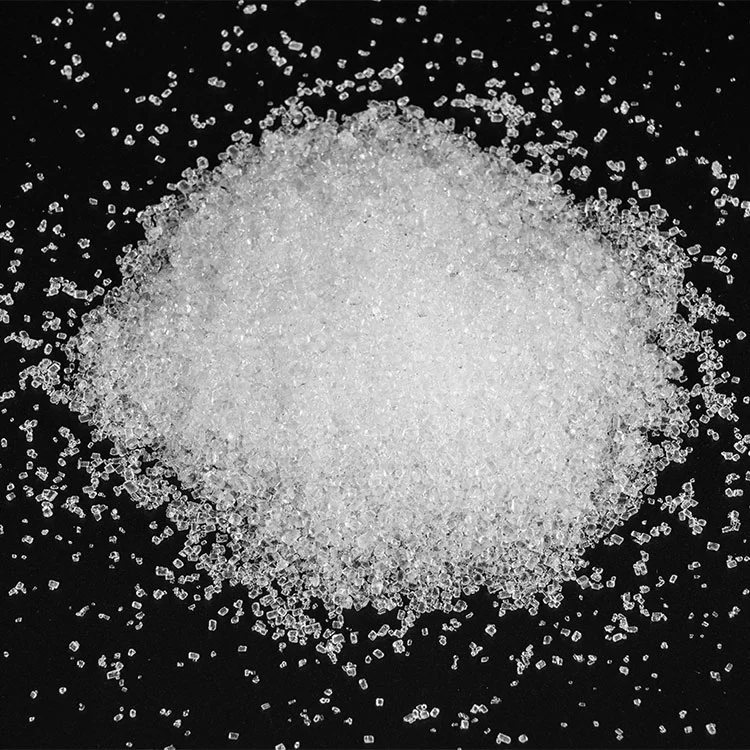
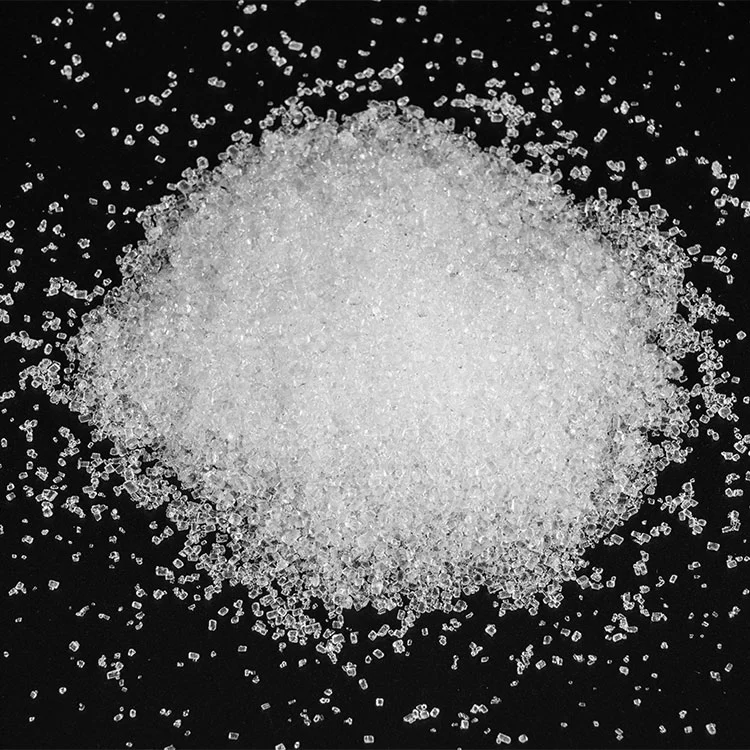
Sodium thiosulfate pentahydrate and anhydrous sodium thiosulfate supply the same thiosulfate salt, but they are not interchangeable by weight. The pentahydrate includes five water molecules and has a molecular weight of 248.18 g/mol. The anhydrous form has a molecular weight of 158.11 g/mol. At equal purity, 1.00 kg of anhydrous material is equivalent to about 1.57 kg of pentahydrate.
Sodium thiosulfate, sodium sulfite and sodium metabisulfite can all reduce chlorine, but they are not interchangeable in purchasing or operation. Sodium thiosulfate is often the practical choice when clean crystal or granule handling and flexible batch dosing matter. Sodium sulfite is a straightforward dry sulfite for general industrial dechlorination and oxygen-scavenging duties. Sodium metabisulfite supplies a high concentration of active sulfite in a compact dry product and is widely used for controlled wastewater and reverse-osmosis pretreatment.
The right choice depends on the chlorine species, required residual, dosing equipment, storage conditions, downstream process and the product specification—not simply the lowest price per tonne.
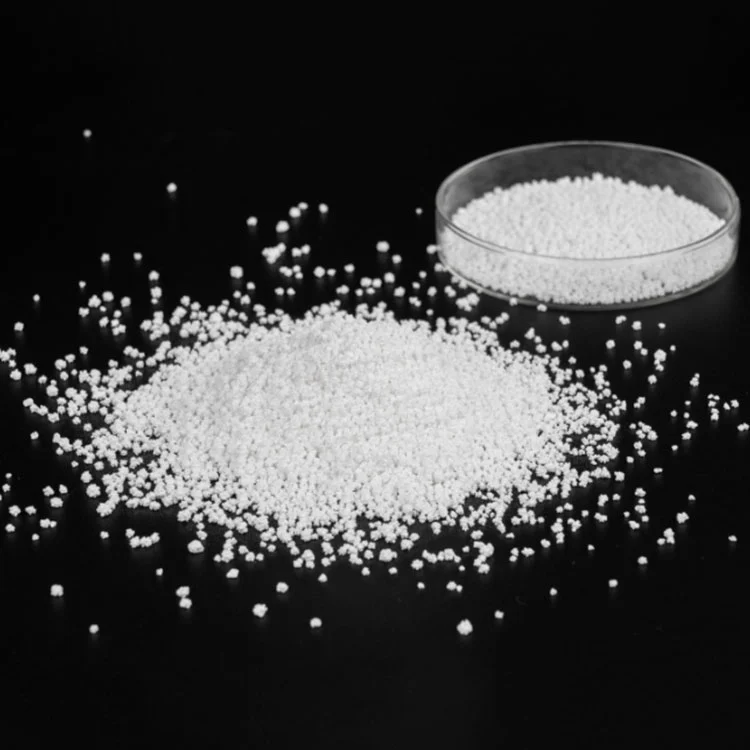
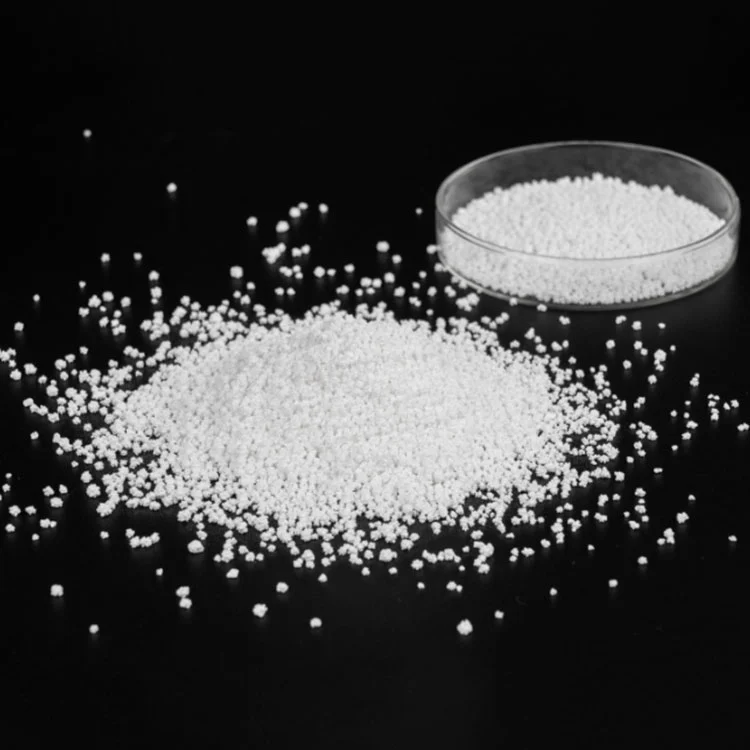
The two forms are the same salt at different water contents. Anhydrous calcium chloride (CaCl₂, 94% min) carries no water of crystallization, so it is more concentrated, absorbs moisture more aggressively, and releases more heat when it dissolves — the choice for oil drilling, desiccants, refrigeration brine, and fast, cold-weather de-icing. Dihydrate calcium chloride (CaCl₂·2H₂O, 74–77%) holds bound water, which makes it more stable and cheaper per kilo — the practical choice for routine de-icing, dust control, water treatment, and high-volume, cost-sensitive work.
We use cookies to offer you a better browsing experience, analyze site traffic and personalize content. By using this site, you agree to our use of cookies. Privacy Policy


 27 2026-08
  27 2026-08
  17 2026-08
  17 2026-08
  10 2026-08
  09 2026-08